

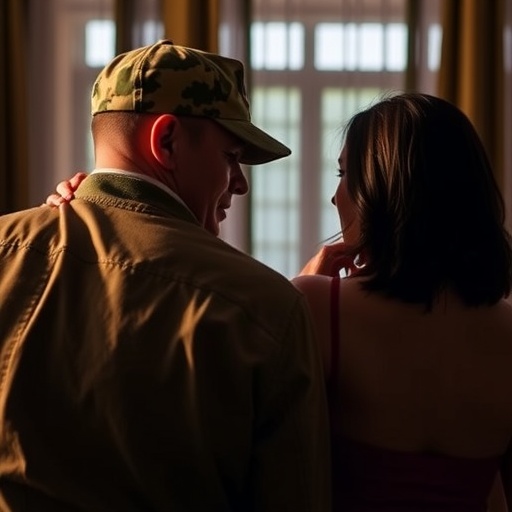
In recent research led by J.A. Hurd and colleagues, a compelling exploration into the intricate dynamics between posttraumatic stress clusters and sexual satisfaction among U.S. veteran couples has been unveiled. This investigation, poised for publication in the Archives of Sexual Behavior, sheds light on a crucial yet often overlooked aspect of veteran life and relationships, addressing how trauma not only affects individuals but reverberates within intimate partnerships.
The study meticulously examines how posttraumatic stress disorder (PTSD) manifests in familial relationships, following the experiences of veterans who have returned from service. By adapting a dyadic approach, the researchers were able to illuminate how both partners’ stress responses—in this case, stemming from the veteran’s experience—can significantly impact their shared sexual satisfaction. This nuanced analysis is particularly pivotal, as it does not merely focus on the symptomatic individual but rather how their experiences collectively shape the relational environment.
Central to this research is the recognition that veterans frequently cope with the psychological ramifications of their service in varied ways. The study highlights the spectrum of posttraumatic stress clusters which includes anxiety, depression, and hyperarousal, illustrating how these clusters can interact with the romantic and sexual dimensions of their relationships. When one partner grapples with intense emotional or psychological challenges, the second partner often experiences a ripple effect, leading to complications in intimacy and sexual connectivity.
One of the significant revelations from Hurd’s study is the impact of PTSD on sexual desire and performance. The data suggests a startling correlation: as PTSD symptoms exacerbate, the levels of sexual satisfaction tend to diminish. For many couples, sexual intimacy becomes a contested space filled with apprehension and emotional withdrawal rather than connection and pleasure. The findings urge therapists and counselors to consider this interconnectedness when working with veteran couples, advocating for a holistic treatment approach that addresses both psychological health and relationship quality.
Moreover, the research provides critical insights into the coping strategies employed by couples navigating the aftermath of PTSD. These strategies can range from open dialogue and mutual support to more maladaptive behaviors such as avoidance and emotional detachment. This variance highlights the importance of communication within relationships, underscoring that couples who engage in honest discussions about their feelings and sexual needs tend to report higher levels of satisfaction.
As the study unfolds, it reveals the role of resilience within veteran couples. Some veterans and their partners demonstrate remarkable adaptability, finding ways to reconnect and maintain intimacy even in the face of profound stress. The researchers advocate for further exploration into what fosters this resilience, proposing that understanding these dynamics can aid in developing therapeutic interventions that empower couples both during and after therapeutic engagements.
The broader implications of Hurd et al.’s research extend beyond veteran couples alone, speaking to universal themes of trauma and intimacy. As society grapples with ongoing conversations about mental health and its effects on personal relationships, this study serves as a vital reminder that trauma does not exist in isolation. It affects not just the individual but the fabric of their relationships, highlighting the necessity of a community-based approach to recovery.
Additionally, the researchers emphasize the importance of preventive measures. By equipping veterans and their partners with the tools and resources necessary to navigate challenges before they become systemic, they suggest we can build stronger foundations for families affected by service-related trauma. Mental health resources, psychoeducation, and couple therapy could prove invaluable in fostering healthier relationships.
Equally important is the call for increased awareness within the broader societal context. Communities must recognize the unique challenges faced by veteran couples and provide support systems that acknowledge these obstacles. Greater visibility on the status of mental health issues in veteran populations can facilitate better understanding, inviting community and family members to participate actively in the healing process.
To encapsulate the findings, Hurd and collaborators underscore the need for future research. While their study shines a light on dyadic interactions regarding PTSD and sexual satisfaction, it also calls for longitudinal studies to assess these relationships over time. Such insights would enhance our understanding of the long-term dynamics that shape veteran couples and ultimately contribute to improved mental health outcomes.
In summary, the implications of the research speak not just to healthcare providers and therapists but extend to policymakers and support networks. Recognizing that those who serve our country can carry the burdens of war into their domestic lives is crucial. This knowledge can influence future policies aimed at ensuring comprehensive care for veterans and their families, reinforcing the notion that mental health is an integral aspect of social well-being and relational success.
This groundbreaking research by Hurd, Libet, Petty, and their colleagues opens an essential dialogue about the intersections of trauma and intimacy, laying the groundwork for future explorations into these vital issues within the realm of veteran care. As awareness grows, so too does the potential for change—encouraging healthier relationships and promoting healing for those who have borne the weight of service to their nation.
Subject of Research: Effects of PTSD on the sexual satisfaction of U.S. veteran couples.
Article Title: A Dyadic Analysis of Posttraumatic Stress Clusters and Sexual Satisfaction with U.S. Veteran Couples.
Article References:
Hurd, J.A., Libet, J.M., Petty, K. et al. A Dyadic Analysis of Posttraumatic Stress Clusters and Sexual Satisfaction with U.S. Veteran Couples. Arch Sex Behav (2025). https://doi.org/10.1007/s10508-025-03321-0
Image Credits: AI Generated
DOI: 10.1007/s10508-025-03321-0
Keywords: PTSD, sexual satisfaction, veteran couples, dyadic analysis, trauma, intimacy, mental health, relationships.


