

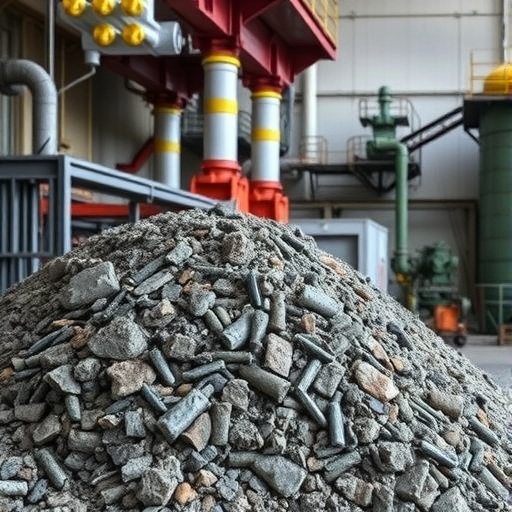
A groundbreaking study conducted by a team of researchers, including N. Kundu, M.Z. Iqbal, and D. Das, has revealed compelling insights into the recovery of valuables from steel mill oily magnetic filtration waste. This research not only sheds light on the intricacies of waste management in steel production but also positions itself as a pivotal contribution to environmental sustainability, particularly within the realm of wastewater treatment in coke plants.
The steel manufacturing industry, known for its industrious output, paradoxically contributes significantly to environmental degradation. One of the lesser-discussed consequences of steel production is the generation of oily waste, which is often laden with hazardous materials. The research undertaken by Kundu and his colleagues focuses on tapping into this oily waste through advanced magnetic filtration techniques, aiming to recover vital materials while simultaneously mitigating their environmental impact.
Utilizing cutting-edge technology, such as magnetic filtration systems, the researchers are able to effectively separate valuable components from hazardous oily waste. This innovative approach not only addresses the pressing issues of waste management but also opens doors for recycling precious resources, potentially transforming the economic landscape of steel production. The magnetic filtration process has been meticulously analyzed and optimized in this study, showcasing its potential for wide-scale application in industrial settings.
The primary ambition of this research is to uncover the valuable materials that can be retrieved from the oily waste generated during steel production. By achieving successful recovery and reapplication, the team tantalizes the captivating possibility of creating a closed-loop system in steel manufacturing, where waste is not merely discarded but reborn as usable materials for other processes, including water treatment in coke plants.
The implications of this study extend far beyond the confines of a laboratory. As industries grapple with increasing regulations surrounding waste disposal and sustainability practices, the findings lie at the intersection of ecological responsibility and economic viability. The gravity of the moment cannot be understated, as companies are pushed to align with environmentally friendly practices amidst growing pressure from advocacy groups and consumers demanding a greener approach to manufacturing.
Moreover, the role of recovered materials in the treatment of coke plant wastewater is a focal point of the authors’ investigation. Traditional wastewater treatment processes are often energy-intensive and chemically reliant. The integration of valuable derivatives sourced from steel mill waste builds a pathway to a more sustainable and economically feasible methodology for managing wastewater – a necessary evolution in an industry facing shifts in operational standards.
Beyond just wastewater management, the study highlights pertinent health implications associated with the traditional steel production methods that generate oily waste. The contaminants present in this waste stream are not only detrimental to the environment but pose risks to human health as well. By focusing on the research presented, industries are encouraged to reassess their operational processes to ensure they prioritize both environmental health and human safety.
In terms of scalability, the findings signify a monumental advancement for steel manufacturers. Current operational methods may leave companies burdened by disposal costs and regulatory challenges associated with effluent discharge. The promising results from this research encourage manufacturers to reevaluate their waste processing approaches, potentially leading to newfound economic incentives through material recovery.
This progressive study has ushered in a shift in thinking about industrial waste — moving from a paradigm of disposal to a narrative of recovery and reuse. The vision set forth by Kundu, Iqbal, and Das is one where industry standards embrace waste reclamation, creating a collaborative environment among manufacturers aiming for sustainable production methodologies.
Future research paths are ripe for exploration. As scientists and industries alike contemplate the next steps in this profound area, aspects like improving filtration efficiency, scaling up recovery rates, and enhancing material quality present themselves as crucial challenges to address. The study serves as a robust foundation for these forthcoming explorations, urging further inquiry into interconnected systems of waste rehabilitation and resource recovery.
In essence, this study does not merely highlight a disruptive technology but emboldens a philosophical shift toward sustainability within the steel industry. By harnessing innovative approaches, the researchers advocate for a transformed outlook on waste management, inspiring a new era that prioritizes resourcefulness and sustainability in metal production.
As we reflect upon the future, it is clear that the insights gleaned from Kundu and his team’s research on oily magnetic filtration waste can facilitate a new generation of environmental stewardship, ultimately paving the way toward a more sustainable industrial paradigm. Through continual advancements and commitment to this cause, the research strongly emphasizes the need for collaboration among industry stakeholders, policymakers, and scientists to instigate enduring change.
The compelling interplay between recovery innovation and environmental responsibility beckons industries to reconcile productivity with ecological balance. Embrace this pivotal moment, as the steel industry’s waste streams transform into lifelines for sustainability, culminating in a holistic approach to resource recovery.
The findings thus call for urgent attention and commitment from various stakeholders to enact meaningful policies that support the recovery of resources from industrial waste, underscoring our responsibility to future generations as stewards of our planet’s resources.
By pivoting towards these innovative strategies and utilizing advanced technologies, the steel industry stands at the threshold of revolutionized practices that not only benefit their operations but also contribute positively to the global environmental landscape. It is indeed an exhilarating time to witness the marriage of technology and sustainability, as we collectively work towards a cleaner, more efficient future.
Subject of Research: Recovery of valuables from steel mill oily magnetic filtration waste and their application in coke plant wastewater treatment.
Article Title: Recovery of valuables from steel mill oily magnetic filtration waste and their application in coke plant wastewater treatment.
Article References:
Kundu, N., Iqbal, M.Z., Das, D. et al. Recovery of valuables from steel mill oily magnetic filtration waste and their application in coke plant wastewater treatment.
Environ Sci Pollut Res (2026). https://doi.org/10.1007/s11356-025-37381-5
Image Credits: AI Generated
DOI: https://doi.org/10.1007/s11356-025-37381-5
Keywords: steel production, oily waste, magnetic filtration, wastewater treatment, environmental sustainability, resource recovery, coke plants, industrial waste management.


