

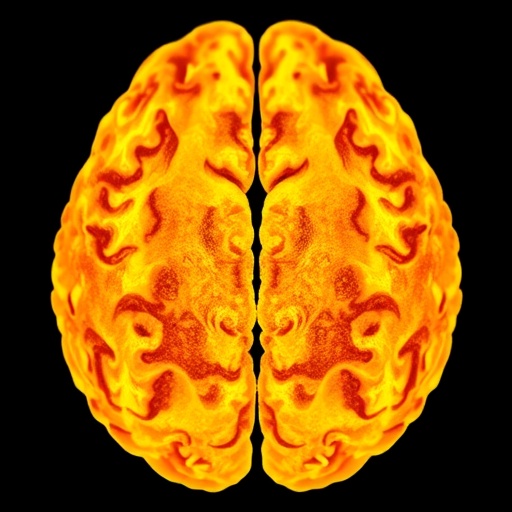
Recent research has shed light on a novel co-treatment approach aimed at counteracting the deleterious effects of certain neurotoxins, specifically focusing on the preservation of cortico-callosal white matter integrity. This exploration is particularly timely given the alarming prevalence of neurological disorders linked to environmental toxins. The study, led by Imam et al., delves into the synergistic impact of Valproate and Vitamin E in a model of seizure induced by pentylene tetrazole in subjects exposed to cypermethrin, a widely used pesticide known for its neurotoxic properties.
Cypermethrin exposure is a significant public health concern, particularly as its use remains widespread in agricultural practices. The neurotoxic effects of this chemical compound have been scrutinized, especially concerning its influence on cognitive and motor functions. The relationship between environmental toxins and neurological impairment is becoming increasingly evident, underscoring the need for effective therapeutic strategies to mitigate these risks. This study emerges from this critical backdrop, aiming to identify potential protective measures against the cognitive decline associated with cypermethrin exposure.
In the conducted experiments, the researchers established a model using pentylene tetrazole, a compound known for its ability to induce seizures. This model was pivotal for assessing the impact of toxicants on brain function, particularly how they affect the delicate balance of neurotransmitters and the overall integrity of neural pathways. The effects of Valproate, a well-known anticonvulsant, were studied in conjunction with the antioxidant properties of Vitamin E, revealing promising insights into their combined efficacy. Such research emphasizes the importance of multidimensional approaches when tackling complex neurotoxicity scenarios.
One of the notable findings of the study was the specific preservation of cortico-callosal white matter integrities. The cortico-callosal pathway, which serves as a crucial communication channel between the two hemispheres of the brain, is essential for various cognitive processes. Damage to this white matter can lead to severe cognitive deficits, making this aspect of the research particularly vital. The results from Imam et al. showed not just a mere mitigation of seizure activity but a significant preservation of this critical neural structure.
The molecular mechanisms underlying the protective effects of Valproate and Vitamin E are of considerable interest. Valproate is recognized for its role in modulating neurotransmitter levels, particularly increasing GABA, which has inhibitory effects beneficial in reducing excitability of neurons. On the other hand, Vitamin E acts as a potent antioxidant, reducing oxidative stress which is a significant contributor to neurodegeneration. This interplay creates a compelling argument for the use of combined treatment strategies in clinical settings, especially for those at risk from environmental neurotoxins.
In assessing the therapeutic potential of these findings, one must also consider the broader implications for public health policy. As the link between pesticide exposure and neurological conditions becomes increasingly substantiated, the need for regulatory frameworks that protect populations from chemical exposure is paramount. The research by Imam et al. not only provides a scientific basis for intervention strategies but also calls for heightened awareness regarding the unseen dangers in our environment, particularly in agricultural communities.
Moreover, the prospect of utilizing this co-treatment strategy goes beyond immediate neuroprotective outcomes. The integration of both Valproate and Vitamin E may pave the way for more comprehensive treatment modalities for various neurological disorders characterized by oxidative stress and excitotoxicity. Such developments could reshape the landscape of neurological pharmacology, offering hope to millions living with conditions exacerbated by environmental toxins.
As society grapples with the ramifications of chemical exposure, the findings from this research represent a beacon of possibility for transforming approaches to treatment. The ability to enhance white matter integrity signifies a noteworthy advancement, fostering further explorations into how existing medications can be repurposed or combined to offer more robust protection against neurotoxic threats. In light of these developments, continued research will undoubtedly refine our understanding of the interactions between pharmaceutical agents and natural compounds.
While this study offers significant contributions to neuroscientific research, it also underscores the necessity for ongoing investigations. There remains much to explore regarding dosage, long-term effects, and the full spectrum of potential benefits when Valproate and Vitamin E are administered together. Future studies should aim to dissect these variables further, optimizing treatment regimens that could enhance efficacy while minimizing adverse effects.
Moreover, it’s crucial to engage with the societal implications of the findings presented. An increase in awareness regarding the neurotoxic effects of common pesticides like cypermethrin could stimulate changes in agricultural practices, as well as inform regulatory agencies tasked with safeguarding public health. Advocating for safer alternatives in pest management could not only benefit agricultural yields but also protect the cognitive health of populations vulnerable to neurotoxins.
In summary, the innovative research conducted by Imam et al. represents an important stride towards understanding and mitigating the impacts of environmental neurotoxicity. The preservation of cortico-callosal white matter integrity through the co-treatment of Valproate and Vitamin E not only showcases the promising potential of combined therapeutic strategies but also highlights the pressing need for awareness and action regarding the neurotoxic substances we encounter daily. This intersection of scientific discovery and public health advocacy may very well chart a new course in both treatment practices and environmental safety measures, ultimately aiming for a future where cognitive health is safeguarded against the perils of our surroundings.
The compelling nature of this study awaits further exploration as the medical community engages with its findings. Collaboration across disciplines will enhance the translational aspects of this research, ensuring that the benefits extend beyond lab findings into real-world applications that could improve the quality of life for individuals affected by environmental neurotoxins.
Subject of Research: Neuroprotective effects of Valproate and Vitamin E against cypermethrin-induced neurological damage
Article Title: Valproate-vitamin E co-treatment preserved cortico-callosal white matter integrities in cypermethrin co-exposed pentylene tetrazole induced seizure
Article References: Imam, A., Ajibola, O.E., Akorede, A.A. et al. Valproate-vitamin E co-treatment preserved cortico-callosal white matter integrities in cypermethrin co-exposed pentylene tetrazole induced seizure. BMC Neurosci 26, 48 (2025). https://doi.org/10.1186/s12868-025-00967-3
Image Credits: AI Generated
DOI: https://doi.org/10.1186/s12868-025-00967-3
Keywords: Neuroprotection, Cypermethrin, Valproate, Vitamin E, Seizures, Cortico-callosal white matter integrity, Neurotoxicity, Environmental toxins, Antioxidants, Clinical application.


