

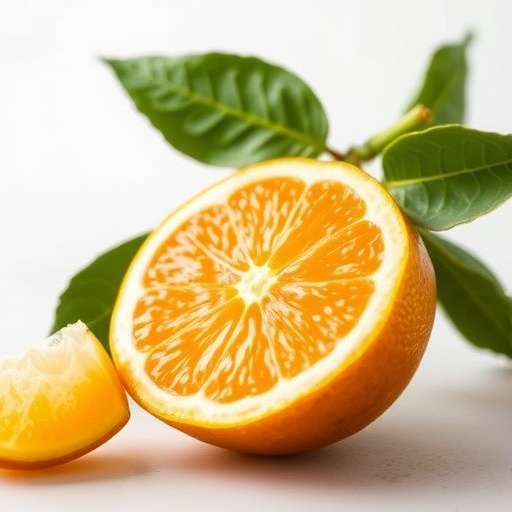
In recent years, the world has seen a growing commitment to sustainability, particularly within the realm of waste management and the valorization of by-products originating from agricultural processes. One significant study that has shed light on effective low-tech valorization methods is the research conducted by Zarate-Vilet, Gué, and Ruiz, which focuses on the filtration-compression of citrus peel. This innovative approach not only addresses waste reduction but also uncovers the bioactive properties inherent in citrus processing by-products.
Citrus fruits are cultivated on a massive scale worldwide, leading to substantial quantities of waste, primarily in the form of peels. Traditionally regarded as mere waste, these peels offer a treasure trove of bioactive compounds, including flavonoids, essential oils, and antioxidants, which can be harnessed for various applications. The researchers aimed to develop a low-tech processing method that would enable the extraction of these valuable compounds while minimizing environmental impact.
The filtration-compression technique employed in the study stands out due to its simplicity and effectiveness. By using mechanical filtering combined with pressure application, the researchers were able to separate the press-liquor—a liquid rich in bioactive compounds—from the filter-cake, the solid residue obtained post-extraction. This method not only ensures the efficient extraction of bioactive components but also leverages mechanical processes that require minimal energy input, making it accessible for small-scale producers.
One of the core findings from the study is the impressive array of bioactive properties present in both the press-liquor and the filter-cake. The press-liquor was found to be particularly rich in flavonoids, which are known for their anti-inflammatory, antimicrobial, and antioxidant effects. These compounds have been extensively studied for their potential health benefits, particularly in reducing the risk of chronic diseases such as heart disease and diabetes.
The filter-cake, on the other hand, should not be overlooked. Although it is the solid residue left after extraction, it too is rich in bioactive components. The study highlights how these materials can be repurposed—for example, as natural food additives or dietary supplements. This dual valorization of citrus waste underscores the potential for integrated waste management solutions that provide both environmental and economic benefits.
Moreover, the research emphasizes the importance of sustainability in agriculture. By adopting low-tech methods such as the filtration-compression process, farmers and producers can significantly reduce waste and create new income streams. This is a crucial aspect for developing regions where resources are limited and innovation is needed to maximize the value of every agricultural product.
An important aspect of this study is its application within a circular economy framework. The circular economy strives to minimize waste and make the most of resources, and the filtration-compression process exemplifies this concept perfectly. By transforming citrus waste into valuable bioactive products, the research not only contributes to waste reduction but also enhances resource efficiency in agricultural systems.
The implications for health and nutrition, stemming from the extraction of bioactive compounds, also deserve attention. As consumers become increasingly health-conscious, the demand for natural and functional food ingredients is rising. The study’s findings present an exciting opportunity to incorporate citrus-derived bioactive components into food products, tapping into the market for health benefits derived from natural sources.
Furthermore, the research provides insights into the potential for scaling these processes. While the study predominantly focuses on a low-tech approach suited for small-scale producers, there is ample scope for the technique to be adapted for larger industrial applications. As research continues to validate the efficacy of these methods, the industry may witness a shift toward more sustainable practices.
Along with health and economic benefits, the study also contributes to environmental sustainability. By ensuring that agricultural waste is processed rather than discarded, there is a reduction in greenhouse gas emissions associated with waste decomposition. This aligns with global goals aimed at combating climate change and fostering responsible agricultural practices.
In conclusion, the research by Zarate-Vilet, Gué, and Ruiz serves as a significant stepping stone in the journey toward more sustainable agricultural practices. Their innovative utilization of the filtration-compression technique and the profiling of bioactive properties in citrus peel are pivotal in illustrating how agricultural waste can be transformed into valuable resources. As awareness about sustainability grows, this research might very well pave the way for more such low-tech valorization processes across various agricultural sectors, reinforcing the necessity of innovative thinking in the fight against waste.
Just as this study illustrates a progressive shift in how we perceive agricultural waste, it also encourages additional research aimed at exploring other by-products from different sectors. In a world striving for sustainability, the insights from this research highlight the need for continued exploration of inventive solutions that encapsulate environmental stewardship, resource efficiency, and economic viability.
The outcomes of this study could resonate not only within the agricultural sector but also with food producers, health industries, and sustainability advocates. As society increasingly embraces eco-friendly practices, findings like those presented in this research will play a crucial role in shaping the future of waste management and bioactive product development.
Subject of Research: Valorization of citrus peel through low-tech processes for bioactive compound extraction.
Article Title: Filtration-Compression of Citrus Peel as a Low-Tech Valorization Process: Profiling of Bioactive Properties of Press-Liquor and Filter-Cake.
Article References: Zarate-Vilet, N., Gué, E., Ruiz, E. et al. Filtration-Compression of Citrus Peel as a Low-Tech Valorization Process: Profiling of Bioactive Properties of Press-Liquor and Filter-Cake. Waste Biomass Valor (2026). https://doi.org/10.1007/s12649-025-03457-z
Image Credits: AI Generated
DOI: https://doi.org/10.1007/s12649-025-03457-z
Keywords: citrus peel, waste valorization, filtration-compression, bioactive properties, sustainability, circular economy, health benefits, agricultural waste management.


