

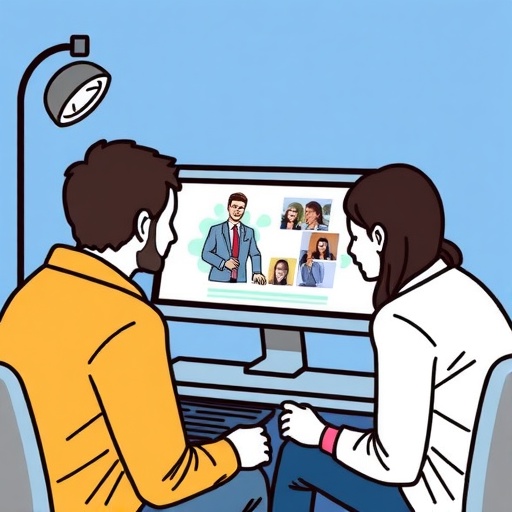
In an evolving landscape of healthcare innovation, empathy for medical device users has emerged as a critical focal point for developers and educators alike. Recent research highlights the significant gap existing between the technical design of medical devices and the real-world experiences of patients and healthcare professionals. To address this gap, researchers have introduced a novel educational tool: the Voice of the Customer (VoC) videos. This innovative approach aims to bridge the divide between user needs and device functionality, ensuring that medical devices are not only designed with clinical efficacy in mind but also with a profound understanding of the end users’ experiences and challenges.
VoC videos serve a dual purpose. On one hand, they are a comprehensive educational instrument designed to immerse medical device engineers and developers into the lived experiences of their users. On the other hand, they act as an invaluable resource for educating students in biomedical engineering about the real-world applications and implications of their work. By incorporating direct feedback and narratives from actual users, these videos emphasize the necessity of empathy in design processes, thereby enhancing the overall quality and effectiveness of medical devices.
The primary driver behind the creation of VoC videos is the recognition that technical specifications alone do not capture the full scope of user experiences. Patients often face numerous challenges when interacting with medical devices, which can lead to poor adherence, compromised health outcomes, and increased frustration. While engineers can design devices to meet regulatory standards, they may overlook the emotional and psychological dimensions of device usage. VoC videos fill this critical void by putting a human face to the clinical needs, targeting emotional resonance while also informing technical developments.
A variety of patient experiences were documented in these videos, ranging from chronic condition management to acute care scenarios. Through firsthand narratives, users describe the impacts of device interfaces on their daily lives, showcasing both their struggles and triumphs. For example, patients with diabetes share their experiences with glucose monitors, emphasizing the importance of intuitive design and ease of use, while healthcare professionals highlight the need for devices that integrate seamlessly into existing workflows. Capturing these diverse perspectives not only informs product design but also encourages an ongoing dialogue between users and designers throughout the development cycle.
The method by which these videos were created combines qualitative research techniques with audio-visual storytelling. Researchers conducted interviews with patients, caregivers, and healthcare workers, utilizing a narrative structure to present their stories compellingly. This approach ensures that the emotional weight of their experiences is conveyed alongside factual information. The resulting videos do not simply educate developers but provoke empathy, fostering a deeper connection that is often missing in traditional educational settings.
Incorporating VoC videos into biomedical engineering curricula presents a significant opportunity for transformation in medical device education. The traditional paradigm has emphasized technical capabilities, often at the expense of understanding user needs. By challenging this perspective, educators can cultivate a generation of engineers who not only excel in designing innovative technology but also prioritize user-centric solutions. The addition of these videos into coursework encourages students to think critically about the implications of their designs, motivating them to consider the broader impact on patient lives.
The implementation of VoC videos has also been linked to improved project outcomes. Engineering teams that have engaged with these narratives often demonstrate increased levels of creativity and problem-solving capabilities. This is likely due to the newfound empathy, which drives teams to brainstorm innovative designs that could better accommodate user needs. Case studies illustrate that teams employing a VoC approach achieve higher satisfaction among users, leading to more successful product launches and higher market acceptance.
In a broader sense, the growth of empathy-driven design practices within the medical device industry reflects shifting trends in healthcare. As patients become increasingly involved in their care and decision-making processes, their voices are crucial. VoC videos align with the principles of patient-centered care, promoting an ethos where the patient’s perspective informs every aspect of medical technology. This trend also intersects with advancements in telemedicine and remote monitoring, where understanding user experience is paramount to ensuring widespread adoption and effective usage.
Moreover, as the landscape of healthcare becomes more digital and interconnected, the role of education must also evolve. Medical professionals now require training that extends beyond clinical knowledge to encompass skills in digital literacy, user experience, and design thinking. VoC videos present a compelling solution, offering an accessible yet impactful means of imparting these lessons. The visual medium is particularly effective in conveying messages that could be lost in traditional, text-based educational formats.
Within the academic community, early adopters of this educational strategy report positive feedback from both students and faculty. Students often express a sense of empowerment after engaging with VoC materials, feeling more equipped to contribute to meaningful design innovations. Instructors note a profound shift in student engagement levels, as the videos spark discussions, inspire creative thinking, and deepen understanding of complex issues surrounding medical devices.
In conclusion, the introduction of Voice of the Customer videos stands as a promising development within the education of biomedical engineers and the broader medical device industry. By placing user experiences at the forefront, these videos challenge traditional paradigms, fostering empathy that could lead to innovations that are not only technologically advanced but also genuinely beneficial to patients. As this educational tool continues to evolve, it may well become a cornerstone of future medical device design, shaping a future where technology and human experience work hand in hand.
The commitment to integrating patient narratives into the fabric of medical device development echoes a larger movement towards a more humane healthcare system, where understanding the patient experience is not merely an afterthought but a guiding principle. Emphasizing the importance of this empathetic approach can only serve to enhance the quality of healthcare technologies and improve outcomes for patients worldwide.
If the medical community can continue to harness the power of stories and perspectives captured within VoC videos, the possibilities for innovation in medical devices will truly be boundless. It is through these interactions that engineers and developers will achieve not just functionality but also compassion, ensuring that future designs resonate with users’ needs and values.
Subject of Research: Voice of the Customer in medical device design and education.
Article Title: Voice of the Customer Videos: An Educational Tool to Identify Unmet Clinical Needs and Develop Empathy for Medical Device Users.
Article References:
Rooney, S.I., Jelenewicz, S.M. Voice of the Customer Videos: An Educational Tool to Identify Unmet Clinical Needs and Develop Empathy for Medical Device Users.
Biomed Eng Education (2025). https://doi.org/10.1007/s43683-025-00206-5
Image Credits: AI Generated
DOI: https://doi.org/10.1007/s43683-025-00206-5
Keywords: Voice of the Customer, medical device design, empathy in engineering, patient-centered care, biomedical education.


