

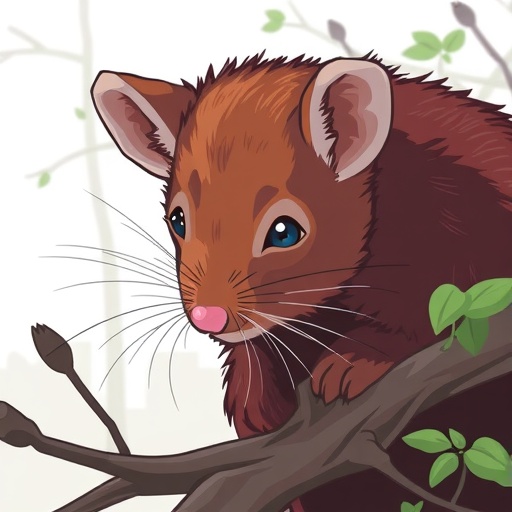
In a groundbreaking study set to be published in 2025, researchers led by Mori et al. delve into the intricate relationship between urban residents and the elusive wildlife that inhabits their shared environments. As cities expand and natural habitats shrink, understanding how urban dwellers perceive and appreciate wild mammals becomes critical in fostering cohabitation and conservation efforts. This research not only sheds light on human-animal interactions but also emphasizes the importance of public engagement in wildlife conservation.
Urbanization has led to the gradual displacement of wildlife, pushing many species into increasingly isolated pockets of habitat. Despite this encroachment, certain mammals have adapted remarkably well to urban settings, including foxes, raccoons, and even deer. These creatures often roam city streets and parks, yet they tend to go unnoticed or are largely ignored by the people who share their environment. The study conducted by Mori and colleagues seeks to uncover the nuances of this relationship, bridging gaps between wildlife ecology and human psychology.
Utilizing a comprehensive survey methodology, the researchers engaged with a diverse group of city residents, aiming to gauge their knowledge and appreciation for local urban wildlife. The survey included questions regarding species identification, perceptions of mammals’ roles in urban ecology, and attitudes toward wildlife conservation efforts. By assessing public appreciation through various lenses, the team aimed to identify which factors contribute to a communal understanding of and connection with urban wildlife.
Interestingly, initial findings suggest that public perception varies significantly across different urban environments. For instance, communities with greater exposure to nature or established green spaces demonstrated a higher awareness of urban mammals. This highlights the potential impact of environmental design and urban planning on fostering wildlife appreciation. As cities increasingly prioritize green infrastructure, understanding the link between human perceptions and wildlife presence becomes even more essential.
Attitudes toward urban wildlife also revealed nuanced sentiments. Many participants expressed a sense of wonder and curiosity about the animals cohabiting their neighborhoods; however, fear and misunderstandings also surfaced. Concerns regarding wildlife as potential carriers of disease, especially in densely populated areas, contributed to a hesitancy in embracing these animals as part of the urban fabric. Addressing these misconceptions through education could play a pivotal role in reshaping public perception and acceptance.
The research team also examined the impact of citizen science initiatives in promoting wildlife appreciation. By involving community members in data collection, such as tracking sightings of urban mammals, participants reported a heightened sense of connection to the wildlife around them. This participatory approach not only fosters individual engagement but also generates valuable data that can inform wildlife management strategies. The researchers argue that citizen involvement in urban ecology is a win-win situation, benefiting both communities and wildlife.
Furthermore, the findings from Mori et al. raise critical questions about the role of urban wildlife in promoting mental well-being. Studies have shown that interactions with nature can lead to improved mental health outcomes, and the presence of wildlife in urban settings may provide similar benefits. By fostering a culture of appreciation for urban mammals, cities could potentially enhance the quality of life for residents, contributing to a more vibrant, resilient urban ecosystem.
The study also points to the importance of interdisciplinary collaboration in addressing wildlife conservation in urban areas. Ecologists, urban planners, and social scientists must work together to create environments where wildlife can thrive alongside human populations. This collaborative approach could lead to innovative solutions that support biodiversity while meeting urban development goals.
As the world grapples with increasing urbanization in tandem with biodiversity loss, the research spearheaded by Mori et al. underscores the significance of public engagement in conservation efforts. By understanding how residents perceive urban wildlife, cities can tailor outreach programs that encourage empathy and stewardship toward these often-overlooked animals. The potential for grassroots movements to influence policy and conservation practices is profound.
It remains crucial, however, to navigate the challenges of urban wildlife interactions carefully. As urban areas expand, conflicts between humans and wildlife can arise, necessitating effective conflict resolution strategies. Education and awareness campaigns tailored to specific communities can equip residents with the tools to coexist peacefully with wild animals, mitigating fears while promoting a harmonious relationship.
In conclusion, the forthcoming study by Mori et al. stands as a testament to the dynamic relationship between urban living and wildlife appreciation. The researchers present a compelling case for the integration of wildlife into the urban landscape, advocating for a future where city inhabitants recognize their role as stewards of the environment. The insights gleaned from this research will undoubtedly play a pivotal role in shaping the narrative around urban wildlife conservation and public engagement for years to come.
Urban wildlife encompasses species that have adapted to thrive amid human activity, often blending into the fabric of urban life. This phenomenon raises questions about biodiversity and the resilience of species facing habitat destruction. As cities evolve, understanding wildlife adaptation becomes essential for crafting sustainable urban environments where nature and humanity coexist harmoniously.
Mori and colleagues’ study serves as a clarion call for recognizing urban wildlife as integral components of city ecosystems. It emphasizes that appreciation and acceptance can be cultivated through education, community involvement, and strategic urban planning. As the research unfolds, it promises to ignite meaningful conversations about the coexistence of humans and wildlife, encouraging cities to embrace the diverse spectrum of life that enriches urban spaces.
Subject of Research: Public appreciation for urban wild mammals
Article Title: Citizen eyes on elusive wildlife: Assessing public appreciation for urban wild mammals
Article References:
Mori, E., Marchi, V., Dondina, O. et al. Citizen eyes on elusive wildlife: Assessing public appreciation for urban wild mammals.
Ambio (2025). https://doi.org/10.1007/s13280-025-02315-5
Image Credits: AI Generated
DOI:
Keywords: Urban wildlife, public perception, citizen science, conservation, biodiversity, urban ecology, mental well-being, wildlife management.


