

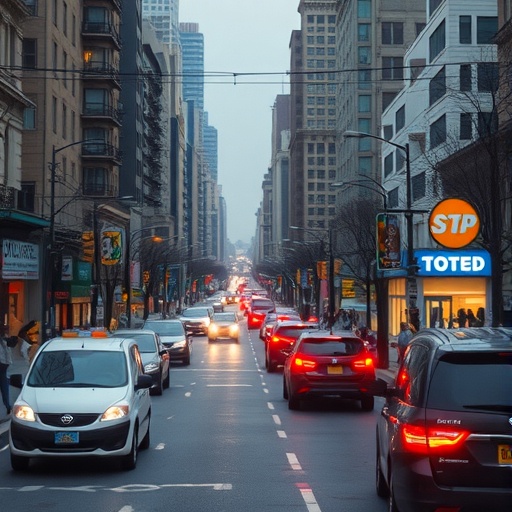
As the world grapples with the relentless effects of climate change, new research highlights an alarming trend: urban populations are on course to face increased exposure to the phenomenon known as apparent temperature whiplash. This phenomenon describes the dramatic shifts in temperature that can occur over short periods, often leading to detrimental health and environmental consequences. In their groundbreaking study, Yang and Zhao delve deep into the implications of these temperature fluctuations, particularly in urban settings that are already burdened by the impacts of climate change.
The study posits that cities—home to more than half of the global population—are on the frontlines of climate change. As urban centers continue to grow and develop, the heat generated by both human activities and climate change compounds the risks associated with extreme temperature changes. These shifts in apparent temperature, when they occur suddenly, can be likened to a violent jolt of weather, leading to various health risks including heat stress, respiratory issues, and increased mortality rates.
Urban areas are especially vulnerable to temperature whiplash due to the urban heat island effect. Concrete, asphalt, and other materials absorb and retain heat, causing city centers to be significantly warmer than their rural counterparts. With global warming exacerbating these conditions, residents may soon find themselves experiencing rapid and extreme changes in temperature that their bodies are ill-prepared to handle. The implications of such changes underline the urgent need for climate-resilient urban planning and public health strategies.
Yang and Zhao’s analysis offers a sobering glimpse into the future. Using advanced climate modeling techniques, the researchers project that the frequency and intensity of apparent temperature whiplash events will increase dramatically in urban populations. Their findings indicate that as global temperatures rise, cities may be subjected to more abrupt weather changes that could severely impact the health of vulnerable populations, including the elderly, young children, and those with pre-existing health conditions.
Moreover, the study emphasizes the economic ramifications of these temperature fluctuations. Healthcare systems may become overwhelmed by the increased incidence of heat-related illnesses, straining public health resources and contributing to a cycle of escalating healthcare costs. This economic burden, coupled with the physical toll on urban populations, underscores the urgent necessity for proactive public policy reform to address the impacts of climate change.
The researchers advocate for innovative strategies aimed at mitigating the effects of apparent temperature whiplash in urban environments. Implementing green infrastructure, such as urban forests and green roofs, can help to reduce the urban heat island effect while simultaneously enhancing the overall resiliency of city landscapes. Such initiatives not only promote a healthier urban environment but can also serve as valuable adaptations to cope with the increasing unpredictability of climate-induced temperature changes.
Furthermore, community engagement plays a crucial role in tackling the challenges posed by apparent temperature whiplash. Raising awareness among residents about the risks and preventative measures can empower urban populations to take charge of their health and well-being. Public information campaigns can provide individuals with essential knowledge and resources, enabling them to adapt to the evolving climate realities.
Adaptation is not just a matter of individual preparation, however. Robust governmental policies and frameworks must be established to facilitate comprehensive climate action. Yang and Zhao stress the importance of integrating climate change considerations into urban planning and public health policy. Creating resilient cities that can withstand the changes brought on by global warming will require a collective effort, combining scientific research, community action, and political will.
As these challenges unfold, collaboration across sectors will be essential to develop solutions that prioritize social equity. Vulnerable communities, often bearing the brunt of climate change impacts, must be included in discussions about urban resilience. Ensuring that all urban populations have access to resources and support systems will not only protect health but also promote justice in the face of environmental adversity.
The projected increase in temperature whiplash events is not just a distant concern; it is a present-day issue that demands immediate attention. The urgency highlighted by Yang and Zhao resonates with growing calls for climate action around the globe. As urban areas brace for the impacts of climate change, leaders, policymakers, and citizens must come together to confront this challenge head-on.
In conclusion, the research conducted by Yang and Zhao serves as a pivotal reminder of the fragility of urban health in an era of climate change. As cities continue to grow and evolve, the risks associated with apparent temperature whiplash cannot be taken lightly. The time to act is now, as the future well-being of urban populations hangs in the balance. With proactive measures, community engagement, and collaborative governance, we can forge a path toward a more resilient and sustainable future.
In the face of climate change, awareness is the first step towards action. As mentioned in Yang and Zhao’s research, understanding the dynamics of apparent temperature whiplash will empower urban populations to adapt and thrive despite the challenges that lie ahead. The necessity for innovative thinking, bolstered by scientific research, will pave the way for a new era of urban resilience in the face of an ever-changing climate.
With cities serving as the heartbeat of human civilization, the importance of safeguarding urban populations against the threats of climate change and apparent temperature whiplash cannot be overstated. We owe it to ourselves and future generations to take meaningful action now, ensuring the vitality of urban life in the face of mounting environmental uncertainties.
Subject of Research: Urban population exposure to apparent temperature whiplash
Article Title: Urban population exposure to apparent temperature whiplash is projected to increase with global warming
Article References:
Yang, Y., Zhao, R. Urban population exposure to apparent temperature whiplash is projected to increase with global warming.
Commun Earth Environ (2025). https://doi.org/10.1038/s43247-025-03066-7
Image Credits: AI Generated
DOI: 10.1038/s43247-025-03066-7
Keywords: climate change, urban health, apparent temperature whiplash, global warming, urban resilience


