

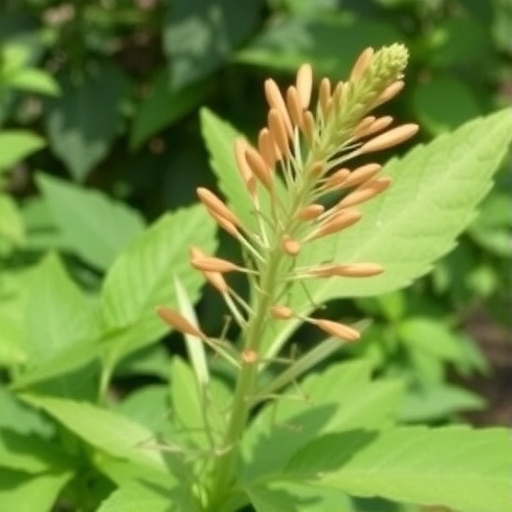
Recent advancements in the field of cancer therapeutics have opened new avenues for the exploration of traditional medicinal plants. One such plant is Andrographis paniculata, a member of the Acanthaceae family, which has been recognized for its potential anti-cancer properties. In a comprehensive study led by Siddiqui et al., researchers have delved into the molecular mechanisms underlying the effectiveness of Andrographis paniculata against breast cancer. This research not only emphasizes the importance of traditional medicine but also integrates modern scientific methodologies such as network pharmacology and in-vitro studies.
Breast cancer remains one of the most prevalent types of cancer globally, making the search for effective treatments imperative. Chemotherapy and radiotherapy have long been the cornerstone of breast cancer treatment; however, these methods often come with debilitating side effects. Thus, there is an urgent need for alternatives that can enhance therapeutic efficacy while minimizing adverse reactions. Andrographis paniculata has emerged as a frontrunner in this quest, showcasing promising results in preclinical studies.
The significance of this plant’s anti-cancer potential is largely attributed to its bioactive compounds, which include andrographolide and other flavonoids. These phytochemicals are believed to exert multi-faceted effects on cancer cells by inducing apoptosis, inhibiting cell proliferation, and reducing inflammation. Siddiqui et al. utilized sophisticated techniques in network pharmacology to elucidate the complex interactions between these compounds and various molecular targets implicated in breast cancer. This approach allows researchers to predict how these phytochemicals may affect different biological pathways, providing invaluable insights for future therapeutic developments.
Through a series of in-vitro experiments, the research team demonstrated that Andrographis paniculata extract significantly suppressed the growth of breast cancer cell lines. The results revealed a dose-dependent inhibitory effect, indicating that higher concentrations of the extract corresponded with increased anti-cancer activity. This finding reinforces the idea that traditional remedies can be potent allies in the fight against one of the most challenging health crises of our time.
Moreover, the study delves into the molecular pathways influenced by the compounds found in Andrographis paniculata. The researchers discovered that these compounds activate specific proteins that trigger the intrinsic apoptosis pathway, leading to programmed cell death in cancer cells. This activation not only halts cancer cell proliferation but also hinders the cells’ ability to metastasize, consequently lowering the risk of cancer spread to other parts of the body. Such mechanisms unveil Andrographis paniculata as a significant player among potential natural adjuncts to conventional cancer therapies.
In addition to its anticancer properties, the potential use of Andrographis paniculata extends to its immunomodulatory effects. The researchers noted that the extract enhanced the immune response, aiding the body in recognizing and combating cancer cells. This dual action—targeting cancer cells directly while simultaneously bolstering the immune system—could pave the way for new combinatory treatment strategies that leverage both classical and non-classical therapeutic agents.
Siddiqui et al.’s study is a clarion call for deeper exploration into the therapeutic benefits offered by plants long utilized in traditional medicine. Approaches integrating ancient wisdom with modern research methodologies could lead to significant breakthroughs in cancer treatment. As the scientific community continues to investigate the promising attributes of Andrographis paniculata, patients may one day have access to therapies that do not only treat cancer but also improve their quality of life.
The research serves as a reminder of the potential lurking within nature’s own pharmacy. Scientists and clinicians are encouraged to undertake collaborative efforts to validate these findings and translate them into clinical practice. If proven effective in human trials, Andrographis paniculata could provide a safer, more effective option for breast cancer treatment, reinforcing the importance of ongoing research in medicinal plants.
As regulatory bodies begin to recognize the importance of phytotherapy, it is crucial to maintain rigorous scientific standards. Future studies should focus on large-scale clinical trials to ascertain the efficacy and safety of Andrographis paniculata in varied patient demographics. The promise of this plant, combined with the technical insights provided by network pharmacology, could lead to unprecedented advancements in personalized cancer therapies.
In summation, Siddiqui et al.’s investigation sheds light on a promising alternative for a disease that continues to affect millions worldwide. The anti-cancer potential of Andrographis paniculata serves as a beacon of hope, encouraging a multidisciplinary approach to research that may ultimately transform the landscape of cancer treatment. As the study indicates, further exploration and validation of these findings could potentially lead to innovative therapeutic strategies that harness both traditional plant wisdom and cutting-edge scientific advancements.
The journey from lab bench to bedside could very well be transformed by the findings from Siddiqui and colleagues, emphasizing the urgency of recognizing and harnessing the potential of medicinal plants in oncology. As this knowledge disseminates within the scientific community and beyond, it ignites a sense of optimism that future treatments could emerge from the verdant realms of the pharmacy found in our gardens and forests.
This ongoing research into Andrographis paniculata may mark a pivotal shift in how we understand not just breast cancer, but cancer treatment as a whole. By bridging the gap between traditional and modern medicine, we can open up new horizons in the quest for effective cancer therapies that are as empathetic to the human experience as they are scientifically rigorous.
In conclusion, the study led by Siddiqui et al. emphasizes the urgency of integrated approaches to cancer treatment. By decoding the mechanisms of Andrographis paniculata and exploring its use through networks of modern pharmacology, we have the potential to rewrite narratives in cancer therapeutics. Should subsequent studies corroborate these findings, we may very well witness a renaissance in the use of herbal medicine against malignant diseases, marrying the wisdom of the past with the innovations of the future.
The prospect of harnessing such a potent plant could elevate treatment protocols that are just as innovative as they are rooted in history, illustrating a homecoming of sorts for natural sciences in the field of medicine. The future of cancer treatment might just rely on the botanical knowledge shielded for centuries, further advocating for a holistic perspective towards a comprehensive understanding of health and disease.
In this evolving landscape, it becomes imperative to remain vigilant and proactive about the integration of natural products in clinical settings. As research continues to bloom around Andrographis paniculata, cancer patients everywhere await the glimmer of hope offered by nature’s profound and intricate designs.
Subject of Research: Anticancer potential of Andrographis paniculata against breast cancer.
Article Title: Deciphering the anti-cancer potential of Andrographis paniculata (Burm.f.) Nees (Acanthaceae) against breast cancer: insights from network pharmacology and in-vitro studies.
Article References:
Siddiqui, A.J., Alshammari, A.M., Patel, M. et al. Deciphering the anti-cancer potential of Andrographis paniculata (Burm.f.) Nees (Acanthaceae) against breast Cancer: insights from network pharmacology and in-vitro studies. 3 Biotech 16, 41 (2026). https://doi.org/10.1007/s13205-025-04644-4
Image Credits: AI Generated
DOI: https://doi.org/10.1007/s13205-025-04644-4
Keywords: Andrographis paniculata, breast cancer, anticancer potential, network pharmacology, in-vitro studies, phytochemicals, natural therapy, traditional medicine, cancer treatment.


