

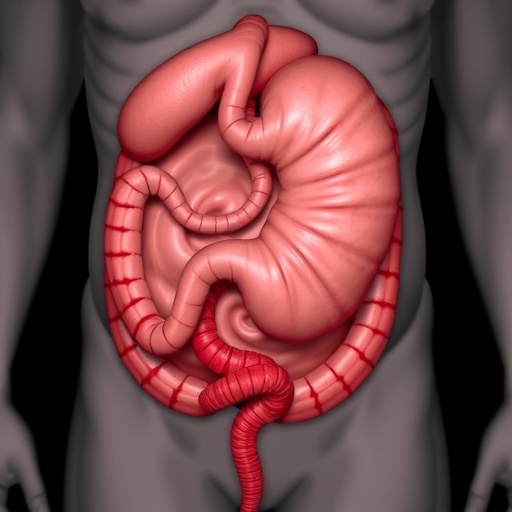
In the realm of pediatric surgery and radiology, few conditions present a conundrum as perplexing as caecal volvulus. Characterized by the twisting of the cecum, caecal volvulus often masquerades as an abdominal mass during antenatal imaging. The recent study conducted by Gala, Salunke, and Rajiwade, published in the esteemed journal Pediatr Radiol, sheds light on this enigmatic condition, potentially revolutionizing how healthcare professionals approach diagnosis and treatment for expectant mothers and their unborn children.
Caecal volvulus, though rare, poses significant risks to fetal and maternal health if not identified promptly. The twisting of the cecum can lead to obstruction, ischemia, and, ultimately, necrosis if left unaddressed. This study indicates that the antenatal detection of caecal volvulus is crucial in preventing significant morbidity. Importantly, the researchers underscore that when this condition mimics an abdominal mass on imaging examinations, it can easily be mistaken for other, more common prenatal entities such as fibromas or various forms of abdominal tumors.
The traditional understanding of antenatal diagnostics has largely centered around ultrasound imaging. However, with advancements in technology, the incorporation of magnetic resonance imaging (MRI) has shown immense potential in improving diagnostic accuracy and providing clearer differentiation between various abdominal pathologies. The case studies presented in the research illustrate how radiological evaluations can guide clinical decisions, warranting a shift in perspective concerning diagnostic modalities used during pregnancy.
Throughout their investigation, Gala and colleagues elucidate the importance of vigilance in interpreting prenatal imaging. They brought forth numerous case studies that exemplified how caecal volvulus can significantly deviate from typical presentations. Moreover, their discussion poses an essential question for radiologists and healthcare providers: can we reliably identify this condition through attentive inspection of antenatal images? The answer may lie in comprehensive training programs directed towards recognizing the unique features of caecal volvulus that distinguish it from other abdominal masses.
The insights gained from this study were not solely theoretical; the researchers actively engaged in retrospective analyses of previous antenatal imaging cases. By meticulously reviewing ultrasound and MRI findings, they were able to correlate the imaging appearances of caecal volvulus with definitive surgical outcomes in affected patients. This valuable connection highlights the imperatives of early detection and timeliness of care, marking an important milestone in the evolving conversation about pediatric gastrointestinal conditions.
A critical aspect of this inquiry is the emphasis placed on multidisciplinary collaboration in managing cases of suspected caecal volvulus. Surgeons, pediatricians, and radiologists must work cohesively to ensure that pregnant patients receive the highest standard of care. The study posits that such an integrated approach not only enhances diagnostic precision but also streamlines treatment pathways for those affected.
As healthcare systems increasingly pivot toward personalized medicine, the implications for antenatal screening are profound. The findings suggest that by incorporating detailed imaging protocols and collaborative assessments, healthcare providers may improve outcomes for both mothers and their children. The emphasis on tailored care meets the needs of individual patients while simultaneously enhancing overall healthcare delivery.
While the study opens a gateway for better diagnostic practices, it also raises important questions about ongoing education and training in antenatal imaging. The need for continual professional development becomes apparent, particularly as emerging technologies drive innovation in medical imaging. Ensuring that healthcare practitioners remain adept at detecting rare conditions like caecal volvulus will be paramount in decreasing the rates of misdiagnosis.
Future research should further explore the long-term outcomes of infants diagnosed antenatally with caecal volvulus. Vigorous follow-ups on these patients will provide invaluable insights into potential complications, treatment efficacy, and the psychological impacts on families. Understanding the trajectory of care after diagnosis will enrich the existing body of literature and foster improved clinical guidelines.
Additionally, the dialogue on caecal volvulus should expand beyond radiologic findings to engage discussions on genetic predispositions and risk factors. The multifactorial nature of this condition may reveal new opportunities for preventative care and better reproductive planning. It is vital that comprehensive studies be developed to explore these factors in subsequent research.
In conclusion, the work of Gala, Salunke, and Rajiwade stands as a testament to the power of inquiry within pediatric radiology and surgery. Their research illuminates a critical gap in prenatal diagnostics and paves the way for enhanced vigilance in identifying and managing caecal volvulus. The implications of their findings resonate not only within medical fields but also extend to robust patient care frameworks from pregnancy onward.
The advent of more advanced imaging techniques coupled with informed clinical judgment can result in breakthrough advancements in the management of pediatric conditions. As we consider the future landscape of antenatal care, it is imperative that the lessons learned from this study guide the evolution of practices surrounding the intricate world of pediatric gastrointestinal disorders.
Subject of Research: Caecal volvulus in antenatal diagnostics
Article Title: Untwisting the diagnosis: antenatal detection of caecal volvulus mimicking abdominal mass
Article References:
Gala, F., Salunke, N. & Rajiwade, S. Untwisting the diagnosis: antenatal detection of caecal volvulus mimicking abdominal mass.
Pediatr Radiol (2025). https://doi.org/10.1007/s00247-025-06458-1
Image Credits: AI Generated
DOI: 13 November 2025
Keywords: Caecal volvulus, antenatal imaging, abdominal mass, pediatric surgery, diagnostic radiology.


