

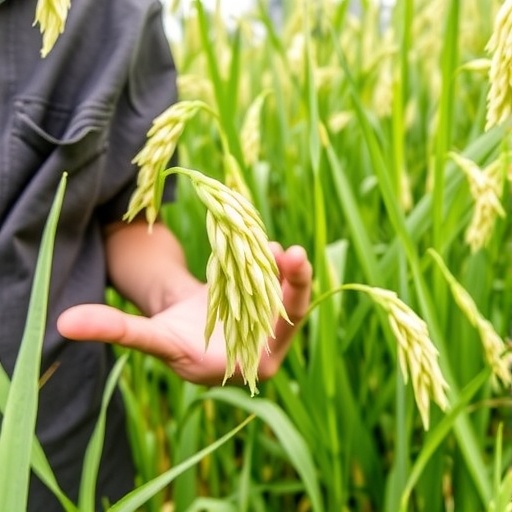
In a groundbreaking study set to redefine the agricultural landscape of rice cultivation, a team of researchers has published their findings on the genetic determinants of rice grain eating and cooking quality (ECQ) traits. Conducted by Farzad Amirebrahimi, A. Saidi, and A. Ahmadikhah, the research employs a sophisticated genome-wide association study (GWAS) coupled with transcription analysis to identify candidate genes that contribute to these critical traits. The implications of this research may ultimately provide rice breeders with the tools needed to significantly enhance the quality of rice—one of the world’s staple foods.
Rice, as a commodity, is not just about yield; the quality of the grain affects everything from consumer preference to market price. Poor quality rice can lead to dissatisfaction among consumers, which in turn can depress market demand. Therefore, understanding and improving cooking and eating qualities through genetic study can be transformative. The researchers aimed to dissect the genetic framework underlying these traits, encompassing factors such as grain texture, aroma, and cooking time, all of which are crucial for consumer acceptance.
For this extensive study, the team analyzed diverse rice varieties, focusing particularly on those known for their exceptional eating and cooking qualities. By leveraging a genome-wide association approach, they aimed to link phenotypic traits of interest with specific loci across the rice genome. This approach can unravel the complexities of polygenic traits—those influenced by multiple genes—which is a common characteristic of quality traits in rice.
The analytical methodology not only involved GWAS but also transcription analysis. This dual approach allowed researchers to examine not just the presence of genetic variations but also how these variations affect gene expression. This is crucial in understanding the functional aspects of the genes identified in the GWAS. The combination of these methods gave rise to novel insights into the biochemical pathways involved in rice grain development and quality determination.
Initial findings from this research indicate the identification of several key candidate genes that exhibit a significant association with desired ECQ traits. The implications of these findings are vast; they provide actionable targets for genetic improvements. The researchers expressed optimism that this will open doors for marker-assisted selection in breeding programs, enabling the development of rice varieties that not only yield better but also satisfy consumer preferences in cooking and taste.
The study also highlights the importance of genetic diversity in shaping the traits of rice. Through analyses, the researchers noted that regions of high genetic variability were linked to superior cooking qualities. It emphasizes the need for rice breeders to incorporate a wider pool of genetic resources into their breeding programs. This not only enhances the immediate quality of rice but also fortifies global food security as climate change challenges the stability of agriculture.
Moreover, this research underscores the interdisciplinary nature of modern agricultural science. Collaboration between molecular biologists, geneticists, and agronomists proved vital in achieving the comprehensive insights offered in their paper. This reflects a broader trend in scientific research where interdisciplinary collaboration leads to more robust and impactful results. The alliance of these disciplines is particularly important when tackling multifaceted problems such as food quality and security.
As the rice industry gears up to implement these findings, one question arises: will consumers notice the difference? The researchers believe the answer is a resounding yes. Enhanced grain quality can lead to improved cooking characteristics such as reduced cooking time and enhanced flavor, which in turn could restore consumer trust in rice products. Ultimately, any enhancements in these areas will likely be met with enthusiasm in the marketplace, catering to increasing consumer demand for quality and sustainable food sources.
The study’s implications are not limited to traditional breeding practices alone. They pave the way for innovations such as gene editing and biotechnology applications in rice cultivation. With technologies like CRISPR at researchers’ disposal, the potential to precisely alter traits associated with quality has never been more feasible. This opens an avenue for quicker and possibly more ethical interventions in genetics, aligning with consumer expectations and regulatory frameworks.
As this research gets disseminated through the academic and agricultural communities, follow-up studies are expected to explore the functional characterization of the identified candidate genes further. Understanding the molecular mechanisms through which these genes operate will be crucial for their implementation in breeding programs. This knowledge not only benefits rice breeding but could also extend to other crops, amplifying the overall impact on global agriculture.
Public interest in food sustainability and quality is growing, placing more significance on studies like this. Consumers are becoming increasingly aware of the scientific efforts behind their food sources, and transparency in how food is produced has become paramount. As the findings of this study circulate, they could foster greater appreciation for the intricacies of agricultural science and the continuous quest for improving food quality.
Industry stakeholders, including farmers, breeders, and food companies, will find these insights invaluable. As market dynamics shift toward quality-oriented rice production, aligning breeding objectives with consumer preferences will be crucial. The findings pave the way for establishing a new paradigm where quality and sustainability go hand in hand, reflecting an emerging trend in how food is produced, processed, and marketed.
In conclusion, the work carried out by Amirebrahimi, Saidi, and Ahmadikhah represents a significant contribution to our understanding of the genetic mechanisms influencing rice grain quality. By marrying cutting-edge genomic technology with a solid understanding of phenotypic outcomes, this research not only sets the stage for future advancements in rice breeding but also impacts broader facets of agricultural practices. The journey from genetic insights to consumer plates is an exciting one, filled with possibilities for improving quality and sustainability globally.
Subject of Research: Genetic determinants of rice grain eating and cooking quality traits.
Article Title: Genome-wide association study (GWAS) and transcription analysis of candidate genes for rice grain eating and cooking quality (ECQ) traits.
Article References:
Farzad Amirebrahimi, F., Saidi, A. & Ahmadikhah, A. Genome-wide association study (GWAS) and transcription analysis of candidate genes for rice grain eating and cooking quality (ECQ) traits.
BMC Genomics (2025). https://doi.org/10.1186/s12864-025-12354-7
Image Credits: AI Generated
DOI: 10.1186/s12864-025-12354-7
Keywords: rice, genome-wide association study, eating quality, cooking quality, genetic analysis.


