

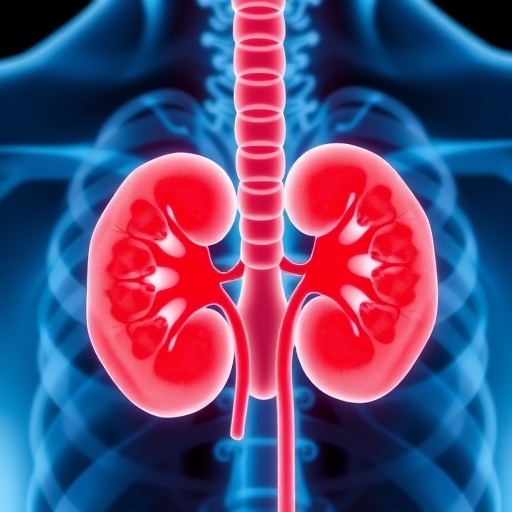
Emerging research from the University of Cincinnati College of Medicine has illuminated an increasingly compelling connection between oral health and kidney function, revealing intricate biological interactions that could reshape clinical approaches to chronic kidney disease (CKD). A recent comprehensive article published in BMC Nephrology synthesizes evidence from over 150 studies, including observational research, meta-analyses, and interventional trials, carving out an expanded scientific understanding of how oral and renal systems influence one another.
The cornerstone of this dialog is the bidirectional nature of the relationship between CKD and oral diseases, as emphasized by Priyanka Gudsoorkar, assistant professor-educator in the Department of Environmental and Public Health Sciences. It appears that not only does chronic kidney impairment exacerbate periodontal disease severity, but inflammatory and microbial imbalances originating in oral tissues may also accelerate kidney pathology. This interplay is orchestrated by complex biological mechanisms including immune dysregulation, endothelial dysfunction characterized by compromised vascular integrity, and systemic inflammation fueled by microbial dysbiosis within the oral cavity.
Specifically, periodontal disease acts as a persistent inflammatory stimulus within the body, augmenting systemic inflammatory markers that facilitate a cascade of vascular and immune responses detrimental to renal microcirculation and filtration efficiency. The narrowing of blood vessels due to endothelial dysfunction compounded by immune system alterations leads to deteriorating kidney function. As CKD progresses, oral health markedly declines, suggesting a feedback loop wherein both organ systems perpetuate each other’s disease courses through shared inflammatory pathways.
The interconnection of oral and renal diseases does not exist in isolation but is part of a larger triadic cluster involving diabetes mellitus, cardiovascular disease, and hypertension. These metabolic syndrome components act synergistically to worsen systemic inflammation and impose additive damage on renal tissues. Prakash Gudsoorkar, an associate professor in nephrology, emphasizes that patients navigating CKD stages face heightened vulnerability to this triad, further complicating their clinical trajectory. Diabetes and hypertension are particularly notorious for accelerating kidney function loss, while cardiovascular disease emerges as a predominant comorbidity that exacerbates patient mortality risk in this population.
This triad importantly complicates clinical management of CKD by destabilizing glycemic control, interfering with medication metabolism, and increasing the complexity of patient care. Porkash Gudsoorkar notes that the interdependency of these conditions generates a ‘clinical cascade’ that can rapidly accelerate disease progression and demand multifaceted treatment strategies. Systemic inflammation acts as a fulcrum around which metabolic disturbances and organ dysfunction pivot, linking oral infections and periodontal inflammation with wider metabolic and vascular derangements.
Intriguingly, the literature underscores a biologically credible model supporting the reciprocal effect of oral disease severity alongside kidney decline. Nonetheless, the critical gap that persists involves well-designed prospective studies and randomized clinical trials to untangle the directionality and quantify the magnitude of causality between declining oral health and worsening renal function. Current evidence, while robust, remains insufficient to definitively assert causal pathways, necessitating rigorous investigation into integrated care models and biomarker profiling.
One glaring issue revealed by the research is the persistent separation of oral health care from chronic disease management in most clinical settings. Physicians often treat oral diseases independently from systemic pathologies such as CKD rather than pursuing an integrative treatment approach. This siloed practice potentially delays early identification of high-risk patients and limits comprehensive risk assessment that could significantly impact patient outcomes. Enhanced collaboration between dental specialists and nephrologists remains a critical unmet need.
This disconnect yields especially significant consequences for patients undergoing dialysis or awaiting kidney transplants. Pretransplant oral clearance is standard protocol, as untreated oral infections pose a risk for transplant complications and can result in delays lasting months to years. Such delays not only impair timely access to life-saving procedures but also amplify the economic and psychosocial burden on patients. Preventive and proactive dental care during the dialysis phase may reduce these barriers and improve transplant readiness substantially.
Moreover, ongoing oral infections and untreated periodontal inflammation complicate continuity of care for CKD patients, often becoming silent impediments to optimal disease management. Priyanka Gudsoorkar, who also directs the global health concentration at UC, highlights the necessity for continuous oral health monitoring in this vulnerable population, emphasizing the prevention of periodontal inflammation as a key intervention point. Dental referrals at the time of transplant evaluation often mark the first standardized oral health intervention, underscoring a reactive rather than proactive paradigm within current clinical pathways.
Responding to this critical gap, the research advocates for an integrated oral-renal care framework across the CKD continuum. Such a framework would encompass standardized clinical protocols, interdisciplinary communication, and shared health information systems, enabling timely detection of oral complications and facilitating earlier treatment interventions. Prakash Gudsoorkar stresses the potential economic benefits of integration, noting improved care efficiencies and reduced hospitalization rates associated with untreated oral infections and systemic inflammation.
This emergent topic of oral-kidney interactions has attracted significant attention within nephrology and dental research communities, underscoring its growing relevance in translational medicine. A notable article titled “Mouth and Kidneys: Unveiling the Crosstalk Between Oral and Kidney Health,” authored by the lead researchers and published in the American Society of Nephrology’s Kidney News, was recognized as a top featured article in 2025 for its groundbreaking perspectives on this interplay.
Beyond academic discourse, the researchers have issued a policy imperative, advocating for health systems reforms to embed oral health within kidney disease care frameworks in the United States. Their perspective article in the International Dental Journal outlines strategic pathways to operationalize this integration, addressing policy, reimbursement, and clinical guideline gaps that presently undermine coordinated care approaches for CKD patients.
Further solidifying this multidisciplinary momentum, the Oral-Kidney Collaborative for Advancing Research and Evidence (OK-CARE) has been established. This global consortium unites experts across clinical nephrology, dentistry, public health, and policy development, fostering collaborative research and evidence dissemination to accelerate innovations at the oral-renal nexus. Partners include prominent institutions worldwide, reflecting a concerted international effort to translate scientific insights into improved patient-centered clinical models.
Through these pioneering studies and collaborative endeavors, the intricate biological relationship linking oral and kidney health is being elucidated with mounting clarity. These insights compel a paradigm shift in how clinicians conceive chronic disease management, underscoring the necessity to dismantle traditional specialty silos. Elevating oral health to a fundamental component of kidney care not only promises to enhance disease surveillance and patient outcomes but also paves the way toward more holistic approaches to managing complex chronic illnesses in the future.
Subject of Research: People
Article Title: Bridging systems: oral-kidney connections – pathophysiological links, clinical implications, and health system integration – a narrative review
News Publication Date: 24-Feb-2026
Web References:
- https://link.springer.com/article/10.1186/s12882-026-04843-y
- https://www.kidneynews.org/view/journals/kidney-news/17/3/article-p24_18.xml
- https://pubmed.ncbi.nlm.nih.gov/41411819/
Keywords: Nephrology, Dental care, Dentistry, Diseases and disorders, Renal failure, Nephropathies, Kidney cancer, Metabolic disorders, Type 2 diabetes, Insulin, Diabetes, Cardiovascular disease, Metabolic syndrome, Obesity, Hypertension, Cardiovascular disorders


