

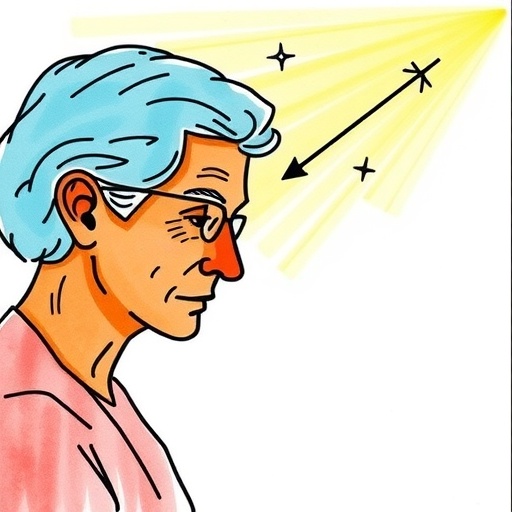
Unraveling impaired awareness: a deep dive into the experiences of individuals grappling with neurodegenerative disorders
As the global population continues to age, cases of neurodegenerative diseases such as dementia, Huntington’s disease, and Korsakoff’s syndrome are increasingly prominent. These conditions not only challenge the affected individuals but also place immense stress on their caregivers. A recent study conducted by researchers including Fidder, de Groot, and de Boer delves into the complexities of impaired awareness experienced by these patients, shedding light on the often unrecognized struggles they face in daily life. The findings aim to inform caregivers and healthcare professionals, enhancing understanding and improving the quality of care provided to this vulnerable population.
Impaired awareness is a multifaceted phenomenon, particularly relevant for people living with dementia and related disorders. It can manifest as a lack of recognition of one’s own cognitive impairments, a diminished ability to appreciate the impact of one’s condition on daily function, or a failure to perceive the emotional distress of loved ones. This altered self-awareness complicates both treatment and support strategies, as caregivers may find it challenging to communicate effectively with those who cannot fully appreciate their situation. This study seeks to explore these dynamics through the eyes of both patients and their caregivers, illuminating the gap in understanding that often exists between the two.
The qualitative research design employed in the study involved in-depth interviews with individuals diagnosed with these conditions alongside their informal caregivers. By leveraging narratives and personal experiences, the researchers aimed to capture the nuanced perceptions of impaired awareness. The significance of this approach lies in the understanding that every story is crucial; through personal accounts, we can gain insights that quantitative data alone might miss. This qualitative method illuminates the emotional and psychological landscapes of those affected, providing a richer, more complete picture of life with neurodegenerative diseases.
Participants in the study revealed that impaired awareness could lead to isolated experiences. Many individuals reported a profound sense of disconnect not only from their own realities but also from the support networks surrounding them. The inability to recognize or accept their cognitive decline resulted in frustration and confusion, which further exacerbated feelings of loneliness. Caregivers echoed this sentiment, sharing how they frequently found themselves navigating a minefield of emotions, trying to provide support while also dealing with their loved ones’ resistance to acknowledging their condition.
Furthermore, the study highlights how impaired awareness affects decision-making processes. Individuals with cognitive impairments often struggle to understand the implications of their choices, leading to unintentional risks and safety concerns. Caregivers frequently described moments where they had to intervene and make decisions on behalf of their loved ones, further complicating the caregiving relationship. This dynamic can foster resentment and conflict, emphasizing the need for improved communication and support strategies that honor the autonomy of the affected individuals while ensuring their safety.
The researchers also examined the role of societal perceptions and stigma surrounding neurodegenerative diseases. Individuals with impaired awareness often felt misunderstood by the broader community, with their conditions not always visibly manifested. The lack of tangible symptoms can lead to skepticism among peers and healthcare professionals, further isolating those affected. By raising awareness about the hidden struggles of impaired awareness, this study aims to advocate for a more compassionate and informed societal approach to neurodegenerative conditions.
Emotional well-being is another crucial component explored in the study. Both patients and caregivers reported experiencing significant psychological distress as a result of impaired awareness. Feelings of frustration, sadness, and anxiety were common themes throughout the narratives. Recognizing this emotional burden is essential for healthcare providers, who must consider not just the cognitive symptoms of these disorders but also the profound emotional impacts. Integrating mental health support into the care plan is vital for fostering resilience and promoting overall well-being.
The study’s findings suggest that fostering better awareness and understanding of impaired awareness can lead to improved care strategies. Enhanced training for caregivers and healthcare professionals in recognizing and addressing impaired awareness can create a more supportive environment. This initiative could empower caregivers with the tools they need to navigate complex interactions and ensure that the needs of individuals with impaired awareness are met more effectively.
Moreover, the need for collaboration between medical professionals, caregivers, and patients themselves was underscored. A holistic approach that respects the perspectives of those affected by these neurodegenerative conditions can build a stronger support network. Encouraging patient inclusion in their own care discussions, even when awareness is compromised, promotes dignity and self-respect, which are often lacking in traditional caregiving models.
Innovative technological solutions also emerged as a topic of interest during the interviews. Some participants expressed hope for advancements that could assist in improving self-awareness and communication. Tools such as wearable devices or apps designed to provide reminders and feedback could prove invaluable for enhancing the quality of life for those with impaired awareness, and their development could revolutionize care practices in the near future.
This research provides a timely and critical examination of impaired awareness in individuals diagnosed with dementia, Huntington’s disease, and Korsakoff’s syndrome. The study invites further exploration into how society can support these individuals better and calls for systemic changes in caregiving practices. By addressing the psychological, emotional, and practical implications of impaired awareness, we can forge a pathway toward more compassionate care for some of the most vulnerable populations in our society.
The findings of Fidder and colleagues represent a significant step forward in understanding the challenges associated with impaired awareness. This work not only highlights the pressing need for increased awareness and education but also underscores the importance of empathy in the caregiving process. As conversations around neurodegenerative diseases continue to grow, it is imperative that we embed the voices of those living with these conditions into the heart of our strategies. This effort will ultimately lead to improved health outcomes and a higher quality of life.
In conclusion, the narrative woven through the experiences of individuals with impaired awareness serves as a powerful reminder of the complexities of caregiving in the context of neurodegenerative disorders. As we continue to unravel the intricacies of these conditions, we must do so with a commitment to understanding and advocacy. The journey towards a more informed and empathetic approach to care begins with each story told and each experience shared, illuminating the paths that we need to take collectively to support those in need.
Subject of Research: Impaired awareness in dementia, Huntington’s disease, and Korsakoff’s syndrome, as experienced by patients and their caregivers.
Article Title: Unraveling impaired awareness: experiences of people with dementia, Huntington’s disease and Korsakoff’s syndrome, and their informal caregivers.
Article References:
Fidder, H., de Groot, E., de Boer, M.E. et al. Unraveling impaired awareness: experiences of people with dementia, Huntington’s disease and Korsakoff’s syndrome, and their informal caregivers.
BMC Geriatr (2025). https://doi.org/10.1186/s12877-025-06680-4
Image Credits: AI Generated
DOI: 10.1186/s12877-025-06680-4
Keywords: impaired awareness, dementia, Huntington’s disease, Korsakoff’s syndrome, caregiving, neurodegenerative disorders.


