

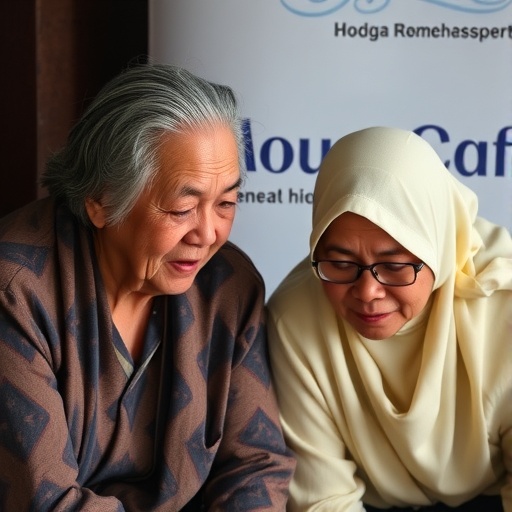
In a significant advancement in gerontology and the understanding of cognitive health, a recent study has provided critical insights into the knowledge and awareness of older adults in Indonesia concerning disorientation as one of the key symptoms of dementia. This research, led by a team of Indonesian researchers including Suriastini, Oktarina, and Sikoki, highlights a multipronged approach to understanding how older individuals perceive cognitive disorders and the factors that influence this perception. The findings have substantial implications for public health initiatives, policy-making, and caregiver training across Indonesia.
Dementia is a category of brain disorders that cause a gradual decline in cognitive function, impacting memory, thinking, and social abilities. Among the various manifestations of dementia, disorientation—manifesting as confusion about time, place, and identity—often serves as an early warning signal of the onset of cognitive decline. Recognizing such symptoms is critical to diagnosing and managing dementia appropriately; however, awareness and knowledge about these symptoms can vary widely, particularly in developing countries where resources and education levels may differ significantly.
The study in question surveyed a wide array of older adults across various regions in Indonesia to gauge their understanding of disorientation as a symptom of dementia. Through qualitative interviews and quantitative assessments, the research uncovered that a startling percentage of participants displayed limited knowledge about dementia and, specifically, the significance of disorientation. Often, older adults misattributed symptoms of disorientation to normal aging processes, leading to delays in seeking assistance or medical help.
Importantly, the researchers identified several associations that influenced knowledge levels about disorientation among older adults. Factors such as educational background, access to healthcare information, and societal attitudes towards aging and cognitive dysfunction played pivotal roles. For instance, individuals with higher levels of education tended to demonstrate greater awareness of dementia-related symptoms. This correlation has profound implications for targeted educational outreach and the development of community health programs that aim to improve cognitive health education as a preventive measure.
Furthermore, the study also emphasized the importance of family structures and communication patterns in the identification of dementia symptoms. In many Indonesian cultures, family units are tight-knit, with younger generations often being the primary caregivers. This results in a dual challenge: caregivers must not only be trained to recognize symptoms of disorientation and other cognitive issues, but they must also communicate such signs effectively within family dynamics to seek medical advice. The interaction between older persons and caregivers reflects a communal approach to health which is vital in enhancing health literacy among the elderly.
Additionally, the role of healthcare providers in fostering awareness of dementia cannot be understated. The researchers noted that healthcare professionals play a crucial role in educating both older adults and their families about the signs and symptoms of cognitive decline. This is particularly salient as there remains a pervasive stigma associated with cognitive disorders, which may deter individuals from engaging with healthcare systems. Without proper education and intervention from healthcare providers, misunderstanding commonly associated with dementia symptoms can persist, further embedding misinformation within communities.
As part of the findings, the researchers also indicated that the presence of urban versus rural living conditions significantly affected the level of knowledge about dementia symptoms. Urban areas, often with better access to education, healthcare, and social services, exhibited higher awareness levels compared to rural counterparts. This disparity underscores the need for tailored public health strategies that account for the socioeconomic and geographical differences within the country when addressing cognitive health education.
The study further proposed mechanisms to improve awareness through community-based interventions. Programs designed to educate families about dementia and its symptoms have shown effectiveness in other contexts, and similar strategies could be applied in Indonesia. Educating community leaders, incorporating dementia awareness into existing health programs, and utilizing local media for outreach could help bridge the knowledge gap observed in the study.
In sum, Suriastini and her colleagues’ study presents a pivotal step in understanding the complexities surrounding dementia awareness among older Indonesian adults. It highlights the necessity of integrating educational initiatives into public health strategies that cater to the needs of older populations, taking into consideration cultural and societal factors. As public health agencies look towards comprehensive strategies to bolster cognitive health among aging populations, this research provides essential data and recommendations that could lead to improved health outcomes.
It’s critical that the insights from this research are not only acknowledged but acted upon, forming the basis for a more informed and proactive approach to dementia care in Indonesia. The future of gerontological health hinges on our ability to understand and respond to these challenges, ensuring that older adults receive the awareness and support they need to navigate the complexities of cognitive decline, thereby improving their quality of life.
In conclusion, as the population of older adults in Indonesia continues to grow, so does the imperative to enhance understanding of dementia symptoms and their implications. Through targeted education and intervention efforts, it is possible to foster a more knowledgeable society that can proactively address the challenges posed by this cognitive epidemic. The recommendations stemming from this important study could serve as a blueprint for transforming cognitive health awareness and improving the overall health landscape for the aging population in Indonesia.
Subject of Research: Knowledge of Disorientation as a Symptom of Dementia Among Indonesian Older Adults
Article Title: Factors Associated with Indonesian Older People’s Knowledge of Disorientation as One of Dementia Symptoms
Article References:
Suriastini, N.W., Oktarina, D., Sikoki, B. et al. Factors Associated with Indonesian Older People’s Knowledge of Disorientation as One of Dementia Symptoms.
Ageing Int 50, 43 (2025). https://doi.org/10.1007/s12126-025-09617-9
Image Credits: AI Generated
DOI: https://doi.org/10.1007/s12126-025-09617-9
Keywords: Dementia, Disorientation, Cognitive Health, Indonesia, Older Adults, Public Health, Education.


