

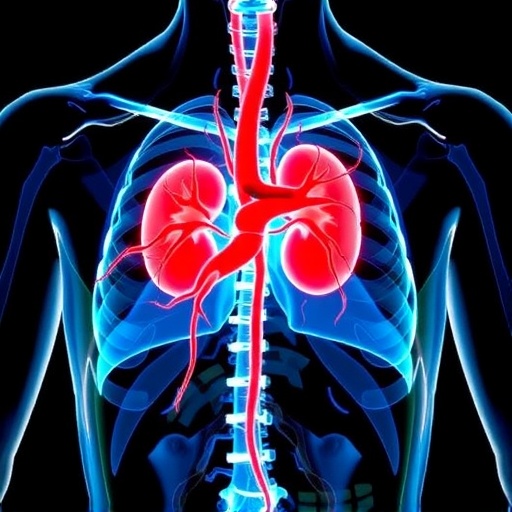
Uraemic cardiomyopathy has emerged as a pivotal term within the realm of cardiovascular pathology, particularly regarding the substantial myocardial disease that manifests alongside chronic kidney disease (CKD). Traditionally, this term encapsulates the profound left ventricular hypertrophy and diffuse interstitial fibrosis that is frequently observed in patients experiencing renal failure. However, emerging insights suggest that this designation is misleading, necessitating a reframing of our understanding to better reflect the underlying pathophysiology. As renal function deteriorates, particularly once estimated glomerular filtration rate (eGFR) dips below approximately 60 ml/min/1.73 m², patients are undoubtedly subjected to a plethora of haemodynamic and metabolic abnormalities that contribute to left ventricular dysfunction and subsequent damage.
The traditional term “uremic cardiomyopathy” implies a direct correlation between increased urea levels and myocardial damage; however, an increasingly nuanced view posits that CKD-associated cardiomyopathy encapsulates a broader spectrum of cardiac dysfunction involving multiple overlapping mechanisms. This shift in terminology not only encompasses the complexity of underlying factors but also highlights the necessity for a comprehensive understanding of CKD to inform preventive strategies effectively. Indeed, the interplay between chronic renal impairment and subsequent cardiovascular complications is an intricate web that continues to perplex clinicians and researchers alike.
In the early stages of CKD, when renal function begins to falter, patients may not exhibit overt symptoms but can nonetheless experience significant cardiovascular stress. Early intervention and continuous monitoring of cardiovascular health in these patients are paramount, as it is during this asymptomatic phase that effective therapeutic strategies could be instituted. Numerous studies indicate that as eGFR declines, so too does myocardial performance, often culminating in heart failure if left unaddressed. This underscores the need for an integrated treatment approach that spans both nephrological and cardiological considerations.
Imaging modalities play a critical role in elucidating the myocardial abnormalities that arise from CKD. Techniques such as echocardiography and cardiac MRI allow clinicians to visualize left ventricular hypertrophy and assess the degree of myocardial fibrosis. The ability to detect these changes at an earlier stage creates an opportunity for interventions aimed at altering disease trajectory. Current findings emphasize that cardiac remodeling can begin long before the onset of cardiac symptoms, thereby highlighting the need for proactive management strategies.
There exists a multitude of causative factors that contribute to CKD-associated cardiomyopathy, and these factors are often interlinked in complex ways. For instance, hypertension is pervasive among CKD patients and is a significant risk factor for both cardiovascular morbidity and mortality. Furthermore, the dysregulation of mineral metabolism in CKD can precipitate vascular calcification and further exacerbate cardiac dysfunction. In recognizing these interconnected pathways, it becomes clear that a targeted approach addressing both renal and cardiac health is necessary to stem the tide of cardiomyopathy in this patient population.
Emerging research has also brought attention to the role of inflammation and oxidative stress in the development of CKD-associated cardiomyopathy. Elevated levels of pro-inflammatory cytokines and reactive oxygen species have been implicated in myocardial injury, suggesting that managing these systemic inflammatory responses could yield therapeutic benefits. Therapies aimed at ameliorating inflammation may serve as adjunctive treatments in combating the adverse effects of CKD on the cardiovascular system. Consequently, researchers are exploring various pharmacological agents with anti-inflammatory properties for potential use in this clinical setting.
Moreover, contemporary treatment strategies have expanded beyond conventional methods to include lifestyle modifications, dietary interventions, and novel pharmacological therapies. Dietary adjustments aimed at reducing dietary phosphate and potassium intake have shown efficacy in managing mineral balance and lowering the risk of cardiovascular complications. Likewise, the advent of SGLT2 inhibitors has revolutionized the management of diabetes and heart failure, presenting an intriguing avenue for potential application in patients with CKD. These medications, known for their cardioprotective benefits, provide a promising landscape for treatment development in CKD-associated cardiomyopathy.
In conclusion, as we move towards a more refined understanding of CKD-associated cardiomyopathy, it is imperative to prioritize research efforts that delve into the underpinnings of this multifaceted condition. By enhancing our grasp of the pathophysiological mechanisms at play, we can pave the way for the introduction of effective preventive therapies. Successful implementation can be measured by a reduction in the incidence of severe cardiomyopathy in patients approaching kidney failure. Ultimately, the aim is to mitigate the mortality associated with this condition and improve overall patient outcomes in those grappling with chronic kidney disease.
In summary, a paradigmatic shift is needed in our approach toward the relationship between CKD and cardiomyopathy. Denoting the condition as CKD-associated cardiomyopathy acknowledges the complexity of the disease process and the multifactorial contributions to cardiovascular deterioration in the context of renal failure. As advancements in our understanding continue to unfold, it becomes increasingly clear that targeted, multidisciplinary approaches will be essential in improving the prognosis for this vulnerable patient population.
Subject of Research: Chronic kidney disease-associated cardiomyopathy
Article Title: Chronic kidney disease-associated cardiomyopathy: clinical features, pathophysiology and treatment.
Article References: Edwards, N.C., Pavlovic, D., Ferro, C.J. et al. Chronic kidney disease-associated cardiomyopathy: clinical features, pathophysiology and treatment. Nat Rev Cardiol (2026). https://doi.org/10.1038/s41569-025-01234-y
Image Credits: AI Generated
DOI: 10.1038/s41569-025-01234-y
Keywords: Chronic kidney disease, cardiomyopathy, left ventricular hypertrophy, myocardial fibrosis, heart failure, inflammation, oxidative stress, treatment strategies.


