

Barcelona, 15 May 2024 – Every cell in an organism carries an identical set of genetic instructions within its DNA. However, what determines whether a cell develops as a neuron, a muscle, or any other specific cell type lies in the activation or inactivation of specific genes in that particular cell. For instance, in the Drosophila fly, the TrxT and dhd genes, which belong to the germline—that is, they participate in the formation of sperm and eggs, respectively—should be inactive in the brain.

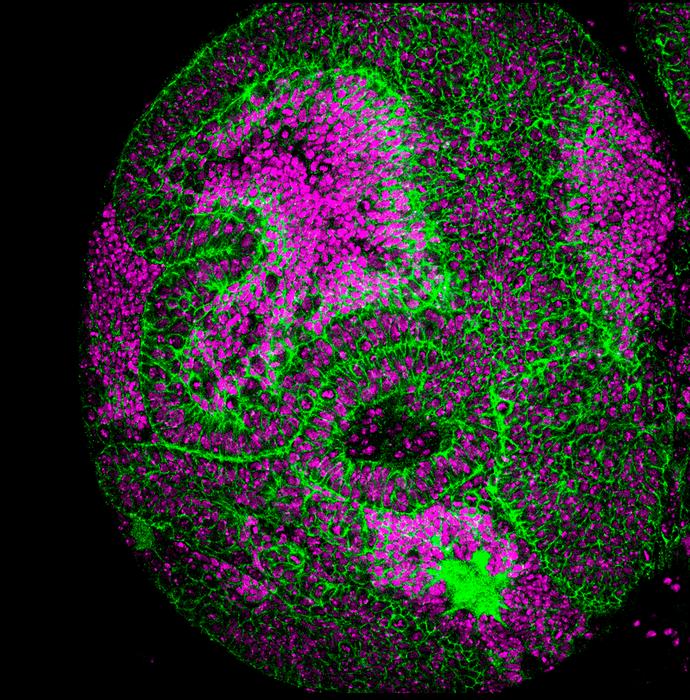
Credit: IRB Barcelona
Barcelona, 15 May 2024 – Every cell in an organism carries an identical set of genetic instructions within its DNA. However, what determines whether a cell develops as a neuron, a muscle, or any other specific cell type lies in the activation or inactivation of specific genes in that particular cell. For instance, in the Drosophila fly, the TrxT and dhd genes, which belong to the germline—that is, they participate in the formation of sperm and eggs, respectively—should be inactive in the brain.
However, scientists led by Dr. Cayetano González, ICREA researcher at IRB Barcelona, have discovered that TrxT and dhd are essential for the development of brain tumours. The inhibition of either of these two genes causes a partial reduction in the size of the tumours but simultaneous inhibition of both leads to a significantly greater decrease.
Published in the journal EMBO Reports, the study reveals that the two genes, TrxT and dhd, which are not normally coexpressed, are unexpectedly activated in brain tumours in the Drosophila fly. This abnormal activation leads to the development of aggressive tumours that invade surrounding tissues. Furthermore, the study uncovers disparities in the influence of genes, depending on whether the fly is male or female.
“This study reveals new germline genes involved in tumour development and underlines the importance of considering sexual dimorphism (or difference between the sexes) in cancer research. Our findings further suggest that collaboration between several genes may offer new therapeutic strategies to address the disease more effectively in the future,” says Dr. González.
The differences between sexes in cancer
Differences in cancer incidence and progression between men and women have been known for decades, but a detailed understanding of sexual dimorphism in relation to cancer biology is still limited.
TrxT and dhd, which are genes specific to the Drosophila germline, are equally expressed in somatic tumours of males and females and their simultaneous inactivation leads to a significant reduction in tumour size, especially in males. This study points to a synergic effect between TrxT and dhd in the initial development of the tumour, while only TrxT appears to be essential for the maintenance of the tumour once established.
“Our results suggest that the initial phases of tumour development and the growth of established tumours are two distinct phenomena that may depend on different molecular mechanisms,” explains Dr. Cristina Molnar, first author of the study.
Germline genes as targets against cancer
Called “cancer-germline” genes (or “cancer-testis” genes due to their initial discovery in the testes), the genes traditionally associated with the formation of sperm and eggs have been identified as key players in the pathogenesis of certain types of cancers, such as melanomas, lung carcinoma, and others.
Given that the function of these genes is limited mainly to the production of sex cells, they are a particularly promising target for cancer treatment. Therefore, blocking them could result in minimal side effects, since the rest of the body’s cells would not be affected.
While the researchers emphasize that this study does not directly lead to new cancer therapies, it offers valuable insight into the biological processes involved in tumour formation and growth that could pave the way for future research and the development of therapeutics.

