

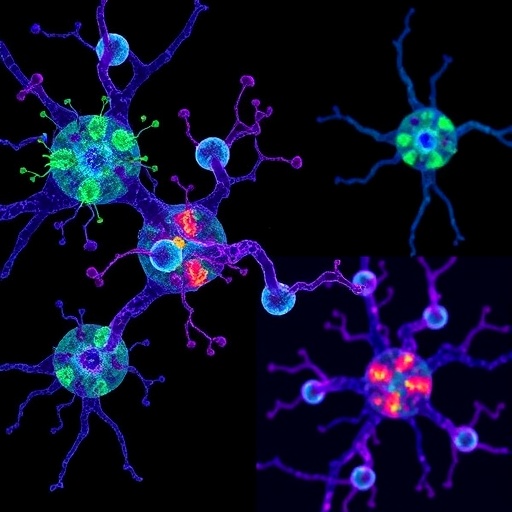
Cytokines: The Delicate Dance Between Tumor Suppression and Promotion in the Tumor Microenvironment
In the intricate ecosystem of the tumor microenvironment (TME), cytokines emerge as pivotal molecular messengers that dictate the fate of tumor progression or regression. More than mere signaling proteins, these cytokines navigate a dualistic path, orchestrating immune responses that can either impede tumor growth or, paradoxically, facilitate its advancement. This delicate balance reflects ancient philosophies of harmony and opposition, echoing the principles of “Onmyoji” — the art of managing opposing forces to achieve balance. Modern oncology now grapples with this very conundrum: harnessing cytokines to stimulate antitumor immunity without unleashing their protumor potential.
At the core of antitumor defense, cytokines mobilize diverse immune effector cells, including natural killer (NK) cells, natural killer T (NKT) cells, gamma delta (γδ) T cells, dendritic cells (DCs), macrophages, and neutrophils. NK cells, upon activation by interferon gamma (IFN-γ), interleukin-12 (IL-12), and interleukin-15 (IL-15), unleash cytotoxic molecules such as perforin and granzyme, directly inducing apoptosis in malignant cells. Similarly, NKT and γδ T cells contribute to tumor cell eradication through analogous cytolytic mechanisms, highlighting the innate immune system’s frontline role against cancer.
Dendritic cells, the quintessential antigen-presenting cells, undergo cytokine-triggered maturation, transitioning from immature to mature states. This maturation enhances their ability to process and present tumor-associated antigens (TAAs) to T lymphocytes, thereby initiating a robust adaptive immune response. Mature dendritic cells serve as the nexus for activating CD8+ cytotoxic T cells and CD4+ helper T cells, propelling cytotoxic effects, antibody-dependent cellular cytotoxicity (ADCC), and the generation of a Th1-polarized immune environment, all crucial for long-term tumor control.
Beyond these cytotoxic pathways, cytokines also sculpt the inflammatory landscape through activation of M1 tumor-associated macrophages (M1-TAMs) and neutrophils (N1-TANs). M1-TAMs, stimulated by IFN-γ and interleukin-1 (IL-1), not only phagocytose tumor cells but also secrete pro-inflammatory mediators that potentiate immune activation and inhibit tumor immune evasion. Likewise, neutrophils, under the influence of interleukin-8 (IL-8) and other chemokines, participate in tumor cell clearance through phagocytosis and release of reactive oxygen species, adding layers to the multifaceted immune assault on tumors.
However, the role of cytokines is far from unidimensional. Paracrine and autocrine signaling within the TME can engender immunosuppressive niches that thwart effective tumor immunity. Cytokines recruit regulatory T cells, myeloid-derived suppressor cells, and promote angiogenesis, all of which conspire to shield tumor cells from immune-mediated destruction. This dichotomy is accentuated during chronic inflammation, where unresolved acute immune responses transition into tumor-promoting milieus marked by sustained secretion of inflammatory cytokines that foster therapeutic resistance and metastasis.
This Janus-faced nature poses substantial challenges for clinical translation of cytokine-based therapies. Despite promising preclinical successes, cytokine treatments often suffer from poor persistence in vivo and uncontrollable systemic toxicities, limiting their utility. The immunomodulatory impact of cytokines is further complicated by the dynamic and heterogeneous characteristics of the local TME, cytokine bioavailability, and the variable responsiveness of target immune effector cells. Addressing these obstacles demands innovative strategies to fine-tune cytokine signaling pathways, maximizing antitumor efficacy while minimizing adverse effects.
Emerging approaches strive to harness the nuanced functions of cytokines through engineered delivery systems, localized expression, or combination regimens with immune checkpoint inhibitors and adoptive cell therapies. Tailoring cytokine therapy to the unique immunological landscape of individual tumors represents the frontier of personalized cancer immunotherapy, promising to convert the ambivalent cytokine milieu into a decisive antitumor force. This paradigm shift necessitates continued dissection of the molecular mechanisms governing cytokine duality, advancing our understanding from descriptive observations to actionable therapeutic insights.
A salient feature underpinning cytokine function is their concentration-dependent and context-specific activity. Subtle variations in cytokine gradients within the TME can tip the scale towards either immune activation or suppression. Moreover, the temporal sequence of cytokine signaling—during acute versus chronic inflammation—dictates opposing biological outcomes, emphasizing the necessity for temporal precision in cytokine-targeted interventions. Deciphering these spatiotemporal dynamics remains critical for effective manipulation of the immune microenvironment.
On the molecular level, cytokines engage complex signaling cascades involving JAK-STAT pathways, NF-κB activation, and other intracellular networks that regulate gene expression patterns central to immune cell differentiation and function. Aberrations in these pathways often underpin the protumor roles of cytokines, such as promoting epithelial-mesenchymal transition, angiogenesis, and immunosuppression. Therapeutic modulation of these downstream effectors offers additional avenues to counteract cytokine-driven tumor progression.
Importantly, the intricate crosstalk between innate and adaptive immunity mediated by cytokines forms the backbone of robust and sustained antitumor responses. Cytokine-enhanced antigen presentation and T cell priming complement the direct cytotoxic activity of NK, NKT, and γδ T cells, creating a multilayered defense. The synchronization of these immune compartments is indispensable for overcoming tumor immune evasion mechanisms and achieving durable clinical remissions.
In conclusion, cytokines embody a paradoxical force in oncology — capable of both constraining and fostering tumor growth depending on the delicate balance of signaling networks within the TME. Unraveling this complex interplay is paramount to realizing the full potential of cytokine-based immunotherapies. As research advances, integrating comprehensive profiling of cytokine milieus, immune cell dynamics, and tumor characteristics will pave the way for precision medicine strategies that exploit cytokine biology as a cornerstone of effective cancer treatment.
Subject of Research: Cells
Article Title: Tumor Microenvironment Onmyoji: Cytokines with Dual Protumor and Antitumor Roles
News Publication Date: 28-Jan-2026
Web References: DOI 10.34133/cancomm.0008
Image Credits: Yaxuan Wang, Anqi Lin, Zaoqu Liu, Quan Cheng, Jian Zhang, and Peng Luo


