

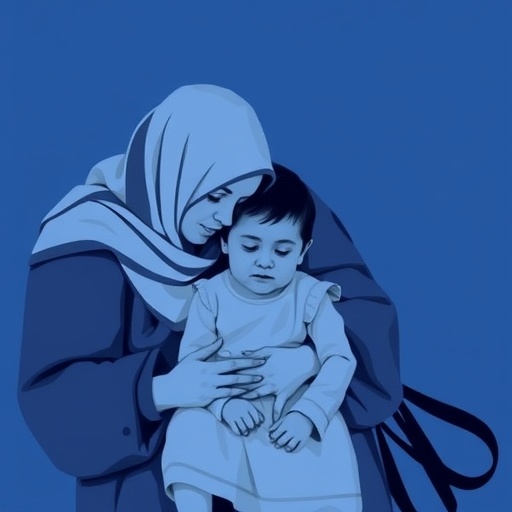
In the context of the ongoing humanitarian crisis stemming from the conflict in Ukraine, a staggering number of refugee minors are emerging as a vulnerable population in need of urgent psychological support. A recent study titled “Post-traumatic Symptoms Among Ukrainian Refugee Minors and their Caregivers: A Descriptive Screening Study in Polish Refugee Camps” has illuminated the mental health challenges faced by these children and their caregivers residing in Polish refugee camps. This research, spearheaded by a dedicated team of scholars including Rozynek, Nawrot, and Śmierciak, provides crucial insights into the prevalence of post-traumatic symptoms within this group.
The study underscores the psychological toll inflicted upon young refugees by their harrowing experiences, marked by war, displacement, and uncertainty. Many of these minors have witnessed trauma that is unimaginable for most children, leading to a cascade of emotional and psychological repercussions. The findings reveal that post-traumatic stress disorder (PTSD), anxiety, and depression are prevalent in both the children and their caregivers, who themselves may be wrestling with their traumatic experiences. The ripple effects of trauma can hinder the adaptability of families as they strive to rebuild their lives in a foreign land.
Conducted in various Polish refugee camps, the research employed a comprehensive screening approach to better understand the prevalence of mental health issues. The use of validated psychological assessment tools allowed researchers to quantify the emotional distress experienced by the minors. The data gathered not only facilitated a clearer understanding of the individual challenges faced by the children but also highlighted the strain placed on caregivers as they navigate their own psychological burdens while attempting to provide a sense of stability for their children.
The researchers found that the psychological impacts on caregivers are often compounded by their own refugee experiences. Many caregivers themselves fled conflict zones and faced a variety of stressors, including economic instability, cultural dislocation, and the weight of their own traumatic memories. The study indicates that the response of caregivers to their children’s distress plays a critical role in shaping the minors’ recovery trajectories. Thus, addressing the mental health needs of both refugees and their caregivers is crucial in promoting resilience and stability.
One striking aspect of the research is the recognition that while the effects of trauma are universal, the manifestations of these symptoms can vary significantly among children based on factors such as age, previous experiences, and the surrounding environment. For many minors, placements in resource-constrained environments without appropriate psychological support can exacerbate their distress, making it all the more critical for stakeholders and policymakers to develop tailored interventions that meet the unique needs of these children.
The implications of this research extend beyond immediate psychological concerns. As these children grow and adapt to their new surroundings, the integration process becomes crucial for their overall development. As they battle trauma, their ability to participate in education and establish social connections may be hindered. Therefore, stakeholders—such as educational institutions and community organizations—must engage proactively to foster an environment that supports both academic success and social development.
Further, the study advocates for training programs aimed at equipping caregivers with skills to recognize and respond to trauma-related symptoms in children. By empowering caregivers with knowledge and tools, the cycle of emotional distress may be disrupted, thus creating a more favorable environment for healing. Trauma-informed care approaches can enable caregivers to better support the emotional needs of their children while also addressing their mental health.
The research findings prompt an urgent call for increased mental health resources in refugee camps and neighboring communities. Ensuring that these resources are culturally appropriate and accessible will be vital in mitigating potential long-term psychological consequences for refugee minors. Expanding access to trained mental health professionals and community support services can help facilitate the recovery journey for these vulnerable groups.
In light of these findings, a collective effort from governments, non-governmental organizations, and community leaders is essential to address the mental health crisis among Ukrainian refugee minors. This entails strategic interventions that foster collaboration and build comprehensive support networks that encompass various aspects of the refugee experience—from mental health services to child protection initiatives.
As the world watches the developments in Ukraine, it becomes clear that the repercussions of this crisis will resonate for generations. The insights gathered in Rozynek and colleagues’ study emphasize the need for a concerted response to safeguarding the psychological well-being of the youngest survivors of conflict. By prioritizing mental health in the refugee response, the international community can contribute to a healing process, allowing these children to envision a future that transcends the traumas of their past.
The overwhelming evidence presented by this study not only outlines the existing mental health needs of Ukrainian refugee minors and their caregivers but also stresses the urgent requirement for ongoing research in this field. Future inquiries are essential in refining our understanding of trauma’s nuanced impacts on child development and the efficacy of various intervention strategies designed for refugees arriving in diverse cultural landscapes. It is imperative that we not only acknowledge these challenges but actively invest in innovative solutions that can forge a pathway toward recovery and resilience for those affected.
In conclusion, as the conflict in Ukraine persists, the importance of addressing the mental health crisis among refugee minors cannot be overstated. The findings from this essential research lay a foundation for targeted interventions and long-term support strategies. As we reflect on the implications of these insights, we are reminded of our collective responsibility to advocate for the mental health needs of refugees, ensuring that they do not become a lost generation but rather a testament to resilience and hope amidst adversity.
Subject of Research: Mental health of Ukrainian refugee minors and their caregivers in Poland.
Article Title: Post-traumatic Symptoms Among Ukrainian Refugee Minors and their Caregivers: A Descriptive Screening Study in Polish Refugee Camps.
Article References:
Rozynek, D., Nawrot, L., Śmierciak, N. et al. Post-traumatic Symptoms Among Ukrainian Refugee Minors and their Caregivers: A Descriptive Screening Study in Polish Refugee Camps.
Child Psychiatry Hum Dev (2026). https://doi.org/10.1007/s10578-026-01962-3
Image Credits: AI Generated
DOI: https://doi.org/10.1007/s10578-026-01962-3
Keywords: Mental health, trauma, refugee minors, post-traumatic symptoms, caregivers, humanitarian crisis.


