

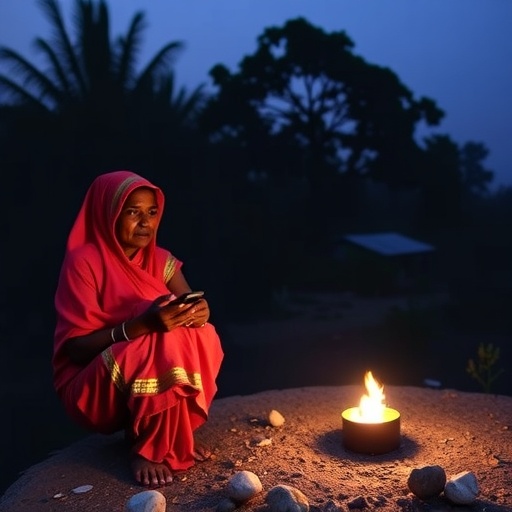
In rural India, the dynamics of household energy consumption have undergone a significant transformation, largely driven by government initiatives designed to enhance the lives of millions. One such initiative is the Pradhan Mantri Ujjwala Yojana (PMUY), introduced by the Indian government with the objective of providing clean cooking fuel to households that previously relied on traditional methods. This scheme seeks to replace the use of biomass fuels such as firewood and dung cakes with LPG (liquefied petroleum gas), thereby improving health outcomes and reducing environmental pollution.
The significance of PMUY cannot be understated, particularly in a nation where a substantial portion of the population is dependent on solid fuels for cooking. The reliance on these harmful fuels has been linked to respiratory ailments and other health-related issues attributable to indoor air pollution. By providing free LPG connections to women from impoverished households, the initiative aims to mitigate these severe health risks while promoting gender equality through women’s empowerment.
Initial evaluations of PMUY’s impact reveal a profound shift in household energy practices. The availability of subsidized LPG not only makes cooking more convenient but also encourages users to abandon traditional methods. This shift is vital, considering that about 800 million people in India still depend on traditional biomass for their daily cooking needs. Households have reported feeling liberated from the drudgery of wood collection, which often disproportionately affects women who bear the burden of this chore.
Moreover, the successful implementation of PMUY holds implications for environmental sustainability. The reduction in biomass usage contributes to a decrease in deforestation and carbon emissions — a crucial factor in tackling climate change. With the substitution of cleaner fuels, air quality in rural regions can improve dramatically. This aspect aligns with global sustainable development goals, promoting healthier environments and securing resources for future generations.
Economic analyses suggest that transitioning to LPG not only benefits health but also enhances the economic productivity of households. Families freed from the time-consuming task of sourcing wood and other biofuels can allocate their time to more productive activities, such as education and income-generating work. This ripple effect can potentially uplift entire communities, contributing to broader economic growth.
Interestingly, the implementation of PMUY has also sparked discussions surrounding energy access and social equity. The program highlights the vital importance of ensuring that marginalized and disadvantaged groups have reliable energy options. The initiative provides a lens for examining how energy poverty impacts social structures and individual well-being, raising awareness of the need for inclusive energy policies that tackle inequalities.
Despite the initial success observed with PMUY, there remain critical challenges to address. For instance, the affordability of LPG refills can be a barrier, especially for economically disadvantaged families. Reports indicate that although initial connections may have been provided for free, ongoing fuel costs can strain household budgets. This aspect emphasizes the necessity of devising innovative approaches to sustain energy access for low-income families over the long term.
Furthermore, the infrastructure required to support widespread LPG adoption poses another hurdle. Many rural areas still lack proper distribution channels and storage facilities. Without the necessary infrastructure in place, the envisioned benefits of PMUY could be compromised, thus requiring concerted efforts to develop seamless supply chains. Strengthening logistics will be crucial in ensuring consistent access to LPG for all beneficiaries of the program.
As the world increasingly emphasizes the transition to cleaner energy systems, initiatives like PMUY serve as crucial case studies for other nations grappling with similar issues. The lessons learned from India’s experience could inform energy policy in developing countries, inspiring tailored solutions that account for local socio-economic dynamics.
Additionally, while PMUY focuses largely on clean cooking fuels, it raises questions about the holistic energy needs of rural households. Addressing only cooking fuel may overlook the necessity for electricity access, heating, and other forms of energy that modern homes require. A more integrated approach to energy policy would ensure that rural families benefit from comprehensive solutions that meet all their energy demands.
Social acceptance of new energy sources is another important consideration. Transitioning from traditional to modern fuels requires a paradigm shift among users, who may harbor hesitations rooted in cultural practices and beliefs. Education and outreach efforts are vital in facilitating this transition; communities need to understand the benefits of cleaner energy and how to utilize it effectively.
In conclusion, the Pradhan Mantri Ujjwala Yojana signifies a pivotal shift in household energy dynamics within rural India, evidencing the potential for governmental initiatives to effect substantive change in people’s lives. While the program has initiated a movement towards cleaner energy, ongoing evaluation, and adaptation of strategies will be essential for ensuring lasting and equitable energy access. As India charts its course towards a sustainable energy future, initiatives like PMUY will continue to shape the conversation surrounding energy transition and its implications on health, economic prosperity, and social equity.
Ultimately, the journey towards sustainable household energy in rural India is not just about technology or fuel sources. It is a comprehensive narrative involving policy, community engagement, economic development, and environmental responsibility—a challenge that, if met correctly, can usher in a new era for millions. The lessons learned from this endeavor will provide invaluable insights not only for India but for the international community as we collectively strive for a greener future.
Subject of Research: Household energy transition in rural India in the wake of Pradhan Mantri Ujjwala Yojana
Article Title: Household energy transition in rural India in the wake of Pradhan Mantri Ujjwala Yojana
Article References:
Ranjan, R., Singh, S. & Chintu, A.K. Household energy transition in rural India in the wake of Pradhan Mantri Ujjwala Yojana.
Discov Sustain (2025). https://doi.org/10.1007/s43621-025-02241-2
Image Credits: AI Generated
DOI: 10.1007/s43621-025-02241-2
Keywords: Ujjwala Yojana, household energy transition, rural India, clean cooking fuel, LPG, sustainable development, energy access, economic productivity, energy poverty.


