

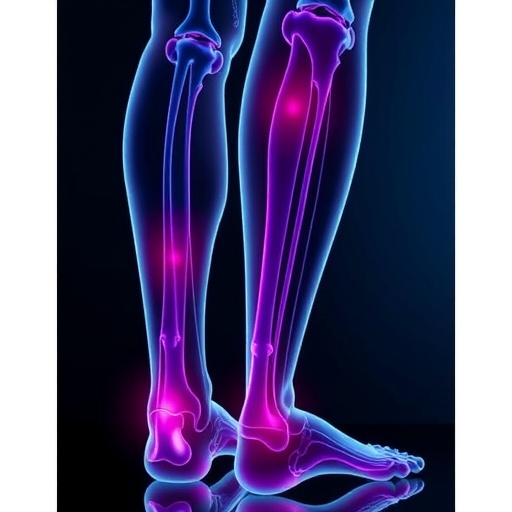
Recent advancements in the field of pain management have unveiled promising strategies that could revolutionize the treatment of diabetic peripheral neuropathy (DPN), a condition affecting millions globally. A recent trial published in BMC Complementary Medicine and Therapies by Ashoori et al. has drawn significant attention, presenting data that supports the use of tibial nerve neurodynamic techniques as a part of a comprehensive rehabilitative pain management strategy. The study underscores not only the efficacy of this technique but also its potential implications for improving the quality of life for patients suffering from neuropathy.
Diabetic peripheral neuropathy is a debilitating condition characterized by nerve damage, often leading to severe pain, discomfort, and a resultant decline in quality of life for those affected. Traditional pain management approaches predominantly revolve around pharmacological interventions, yet these may not always yield the desired results. Consequently, innovative and non-invasive treatments are being sought after to help alleviate the symptoms associated with DPN and enhance patients’ overall well-being.
The trial conducted by Ashoori and colleagues was meticulously designed as a randomized sham-controlled study, highlighting the importance of rigorous scientific methods in validating treatment efficacy. Participants were assigned to either the treatment group—receiving neurodynamic techniques focused on the tibial nerve—or to a sham control group, where non-specific interventions were conducted. This design helped to control for placebo effects, ensuring a robust comparison between the true neurodynamic intervention and a non-therapeutic approach.
Results from the trial indicated a significant improvement in neuropathy severity scores among patients receiving tibial nerve neurodynamic techniques. Through a variety of assessments, researchers were able to document enhanced sensory and motor functions, suggesting that the technique collaborated effectively with the body’s natural healing processes. Pain reduction was not only statistically significant, but it also had clinically meaningful results, leading to a more bearable day-to-day experience for participants.
Quality of life measurements, which are vital in evaluating treatment success, displayed marked improvements in the treatment group when compared to controls. Participants who underwent tibial nerve neurodynamic techniques reported reductions in pain intensity, frequency, and disruptions to daily activities, reinforcing the therapeutic potential of this non-invasive technique. Improved mobility and functionality further emphasized the benefits that extend beyond pain management alone, touching on the holistic enhancement of health.
The underlying mechanisms through which tibial nerve neurodynamic techniques exert their effects are thought to involve both physiological and neurological pathways. By mobilizing the tibial nerve, practitioners can potentially decrease nerve entrapment, enhance blood flow, and improve the overall bio-mechanics of the affected area. This comprehensive approach may help alleviate not only the symptoms of neuropathy but also address some of the underlying causes, offering a more thorough therapeutic route for clinicians to explore.
As researchers and clinicians continue to dissect the efficacy and applications of such techniques, it becomes paramount to consider the integration of multidimensional approaches in patient care. The findings from Ashoori et al. advocate for a shift in clinical practice towards inclusive strategies that capitalize on both traditional and emerging modalities in pain management. By doing so, healthcare providers can address the multifaceted nature of diabetic peripheral neuropathy more effectively.
The trial ultimately serves as a call to action for the medical community to rethink existing paradigms surrounding neuropathy treatment. With the growing body of evidence favoring neurodynamic techniques, it is imperative to encourage wider adoption of such practices within clinical settings. This may involve further education and training for healthcare professionals, ensuring they are well-equipped to implement these techniques safely and effectively.
Furthermore, community awareness regarding alternative therapeutic approaches for diabetic peripheral neuropathy should be prioritized. As more individuals become informed about the possibilities beyond conventional pharmacological treatments, patients may feel empowered to seek out these innovative strategies themselves. This patient-driven demand could catalyze further research and clinical application of tibial nerve neurodynamic techniques and similar modalities.
Economic implications also merit consideration as the healthcare landscape continues to evolve. Non-drug interventions like neurodynamic techniques could potentially lessen the financial burdens associated with chronic pain management therapies. By reducing reliance on medication and invasive procedures, this approach could offer a dual benefit of improving patient outcomes while also alleviating strain on healthcare systems.
As the field of pain management progresses, the importance of culturally competent care cannot be overstated. Tailoring interventions to meet the diverse needs of patients across different backgrounds will be crucial in ensuring equitable access to these significant treatments. Policymakers and healthcare leaders should strive to create frameworks that prioritize inclusive research, clinical practice, and community outreach, which are essential for maximizing the impact of new therapies.
In conclusion, the integration of tibial nerve neurodynamic techniques into pain management protocols represents a significant step forward in the treatment of diabetic peripheral neuropathy. The findings presented by Ashoori and colleagues not only provide compelling evidence for their effectiveness but serve as a crucial impetus for broader discussions on the evolution of therapeutic practices in this domain. As further research unfolds, it is anticipated that these techniques will find their rightful place within the landscape of pain management, ultimately improving lives and restoring function for countless individuals.
Subject of Research: Diabetic peripheral neuropathy and tibial nerve neurodynamic techniques
Article Title: Adding tibial nerve neurodynamic techniques to a rehabilitative pain management strategy improved neuropathy severity and quality of life in patients with diabetic peripheral neuropathy: a randomized sham-controlled trial
Article References:
Ashoori, M., Hashemi, S.E., Pourahmadi, M. et al. Adding tibial nerve neurodynamic techniques to a rehabilitative pain management strategy improved neuropathy severity and quality of life in patients with diabetic peripheral neuropathy: a randomized sham-controlled trial.
BMC Complement Med Ther 25, 429 (2025). https://doi.org/10.1186/s12906-025-05168-3
Image Credits: AI Generated
DOI: https://doi.org/10.1186/s12906-025-05168-3
Keywords: Diabetic Peripheral Neuropathy, Tibial Nerve Neurodynamic Techniques, Pain Management, Quality of Life, Randomized Controlled Trial.


