


Progenitor cells dominate antiviral gene responses to Zika in fetal neural tissue
A secondary analysis of single-cell data finds that progenitor-enriched radial glia-like cells and cycling neural progenitor cells show the strongest ...
A secondary analysis of single-cell data finds that progenitor-enriched radial glia-like cells and cycling neural progenitor cells show the strongest ...

A systematic review of 2020–2025 research highlights piperazine derivatives with potent activity against bacteria, tuberculosis, breast cancer cells and Zika ...
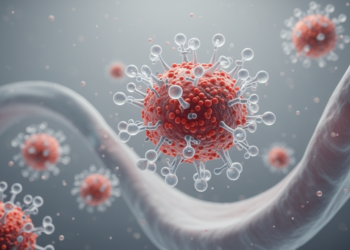
Laboratory experiments found that recombinant IgM antibodies reduced IgG-mediated enhancement of Zika and dengue virus infection, often at concentrations below ...
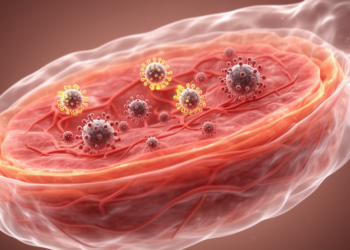
A review finds that placental galectins can restrain damaging inflammation or facilitate viral interactions depending on the protein, pathogen, cell ...
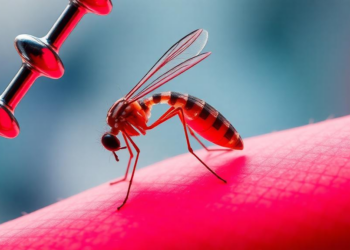
A new Perspective argues that host genetics, HLA diversity, and immune history must be integrated with climate models to predict ...
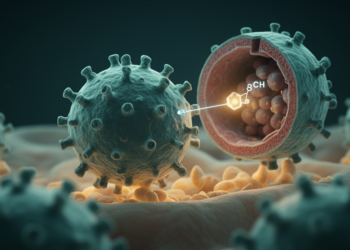
Researchers at Radboud University Medical Center report that prolyl hydroxylation of Zika virus NS1 is essential for the protein's maturation ...

A prospective cohort study in Thailand found frequent Zika-reactive antibody responses among asymptomatic pregnant women, but negative PCR results and ...
New research in PLOS Pathogens shows that Zika virus produces two isoforms of the NS2A protein, with the full-length form ...
A new review details how single-cell RNA sequencing is exposing previously unknown mosquito cell types, blood-meal physiology and pathogen tropisms ...
A new review in Parasites & Vectors reframes mosquito host recognition as a closed-loop, multimodal sensory process with major implications ...


Embark on a thrilling journey of discovery with Scienmag.com—your ultimate source for cutting-edge breakthroughs. Immerse yourself in a world where curiosity knows no limits and tomorrow’s possibilities become today’s reality!