

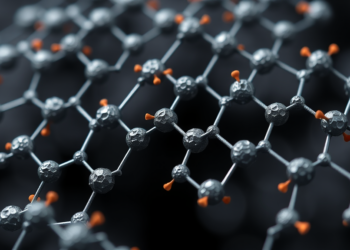
Graphene-Supported Iron Nanoparticles Shatter Antibiotic Pollutants in Minutes
Researchers report that a reduced graphene oxide-supported nanoscale zero-valent iron composite activates peroxydisulfate to remove more than 98 percent of ...
Researchers report that a reduced graphene oxide-supported nanoscale zero-valent iron composite activates peroxydisulfate to remove more than 98 percent of ...

A life cycle assessment of rural wastewater systems in Dakahliya, Egypt, found that decentralized membrane bioreactors cut toxicity and climate ...
Researchers used shepherd's purse plant extract to synthesize a magnetic MgFe2S4/CoBiO2I heterojunction photocatalyst that completely degrades the antibiotic ciprofloxacin in ...
A new comprehensive review finds that graphene, MXenes, MOFs, COFs, layered double hydroxides, hexagonal boron nitride, and phosphorene offer powerful ...
Researchers have developed a low-temperature electroless deposition technique that grows strongly adhered ZnO re-entrant nanostructures on PVDF hollow fiber membranes, ...
Rice University chemists have developed a flash heating process that destroys PFAS waste and recovers its fluorine as reusable silver ...
A new review outlines how visible-light-driven semiconductor photocatalysts generate reactive oxygen species that inactivate harmful algae and destroy cyanotoxins, while ...
Researchers at Nankai University have developed reusable graphene- and cobalt-doped magnetic carbon beads that completely break down the antibiotic sulfamethoxazole ...
Researchers in Saudi Arabia have created carbon-metal borate-oxide nanocomposites that remove up to 96 percent of Victoria Blue B dye ...
A team of environmental chemistry researchers outlines a three-pronged roadmap for the discipline, urging stronger mechanistic research, engineering thinking from ...

Embark on a thrilling journey of discovery with Scienmag.com—your ultimate source for cutting-edge breakthroughs. Immerse yourself in a world where curiosity knows no limits and tomorrow’s possibilities become today’s reality!