

Inside the Fear Lab: EEG and Wearables Decode How the Brain and Body React to Immersive Terror
By combining EEG, heart rate variability, and skin conductance in a responsive semi-immersive environment, researchers have mapped how brain and ...
By combining EEG, heart rate variability, and skin conductance in a responsive semi-immersive environment, researchers have mapped how brain and ...
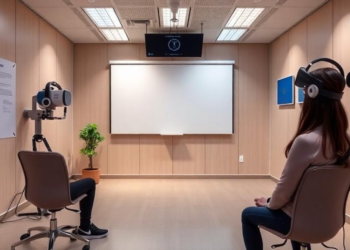
A feasibility study of 96 professionals shows that eye tracking, speech acoustics, and transcripts captured in virtual reality can support ...

A case report describes how an 8-month multidisciplinary protocol combining rTMS, brain-computer interface training, and multimodal assessment was associated with ...
A new PRISMA-guided scoping review of 24 studies maps for the first time how virtual, augmented, and mixed reality technologies ...
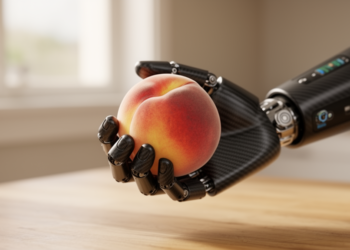
A controlled mild-pain tactile feedback system cut prosthetic grasp errors dramatically compared with visual and force feedback in a virtual ...

An analysis of 254 registered clinical trials shows digital therapeutics are dominated by mobile apps targeting psychiatric disorders, while fragmented ...

Researchers in New Delhi have built a wireless force myography armband that classifies twenty hand gestures with over 96 percent ...

A quasi-experimental study of 166 Chinese sixth-graders found that immersive virtual reality significantly improved achievement, engagement, and classroom interaction in ...

A new review in Wearable Electronics surveys how self-powered triboelectric nanogenerator fibers woven into clothing could transform virtual and augmented ...

A Taiwanese experimental study found that a 25-minute virtual reality education program significantly improved death literacy among family caregivers of ...


Embark on a thrilling journey of discovery with Scienmag.com—your ultimate source for cutting-edge breakthroughs. Immerse yourself in a world where curiosity knows no limits and tomorrow’s possibilities become today’s reality!