


Copper and Tin Disulfide SPR Sensor Simulated to Detect Brain Tumor Tissues
A simulated copper, tin disulfide, and molybdenum ditelluride SPR sensor reached a modeled sensitivity of 142.15 degrees per refractive index ...
A simulated copper, tin disulfide, and molybdenum ditelluride SPR sensor reached a modeled sensitivity of 142.15 degrees per refractive index ...

An integrated computational and biophysical study found that cleistanthin A and diphyllin derivatives bind the EGFR tyrosine kinase domain, with ...

In a mouse model of myocardial ischemia–reperfusion injury, daily oral caffeic acid improved cardiac function and reduced fibrosis, effects linked ...

Gold nanoparticles synthesized by nanosecond-pulsed laser ablation in three different liquid media showed varying cytotoxicity against mouse liver cancer cells ...

A simulation study reports a five-layer SPR sensor design with a calculated sensitivity of 416.42 degrees per refractive index unit ...

Researchers synthesized PVP-capped gold nanoparticles in one step with a plasma-under-liquid method and used their red-to-blue color change to detect ...

A simulated MXene–graphene terahertz metasurface biosensor achieved a refractive index sensitivity of 1000 GHz per RIU and, with a 1D-CNN, ...
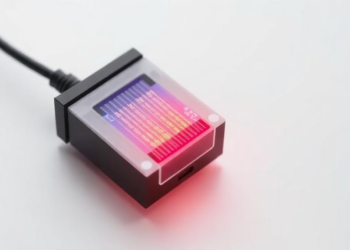
A new sensor design that can, in principle, read out two different physical quantities at the same time has been ...

A C-terminal fragment of the Aedes albopictus salivary protein 34k2 binds DENV-2 virions with high affinity and enhances viral replication ...

A new review finds that nanoscale optical biosensors can detect cancer biomarkers at attomolar levels, but only a few platforms ...


Embark on a thrilling journey of discovery with Scienmag.com—your ultimate source for cutting-edge breakthroughs. Immerse yourself in a world where curiosity knows no limits and tomorrow’s possibilities become today’s reality!