

A Heme-Scavenging Protein in Brain Fluid May Flag Sepsis After Stroke Bleeds
A translational proteomics study identifies cerebrospinal fluid hemopexin as a candidate biomarker for secondary sepsis after intracerebral hemorrhage, while a ...
A translational proteomics study identifies cerebrospinal fluid hemopexin as a candidate biomarker for secondary sepsis after intracerebral hemorrhage, while a ...
A new Nature Reviews Neurology roadmap charts how blood-based molecular biomarkers of brain injury, metabolism, inflammation and gut dysbiosis could ...
A new meta-analysis of eight randomized controlled trials finds that mindfulness-based interventions may improve cognitive scores in adults with neurological ...
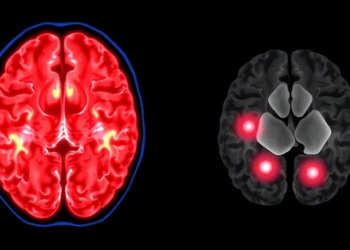
A new study shows that patients with transient ischemic attack and normal brain MRI have elevated blood levels of the ...

A year-long study of 314 older stroke survivors in China identified three frailty trajectories after hospital discharge, with cognitive impairment, ...
LMU researchers have discovered that indole, a metabolite produced by gut bacteria, acts on immune cells to worsen brain injury ...
A two-stage epigenome-wide study of aneurysmal subarachnoid hemorrhage patients found that a promising methylation signal at the ANGPT1 gene flipped ...

A Swiss real-world registry study found no recurrent ischemic events or new brain lesions among 17 migraine patients with prior ...
Researchers found that DNA methylation patterns in the STEAP3 iron-processing gene, measured in cerebrospinal fluid after a brain aneurysm rupture, ...
A new rat study shows that the safflower-derived compound hydroxysafflor yellow A combined with aerobic exercise synergistically reduces stroke reperfusion ...


Embark on a thrilling journey of discovery with Scienmag.com—your ultimate source for cutting-edge breakthroughs. Immerse yourself in a world where curiosity knows no limits and tomorrow’s possibilities become today’s reality!