

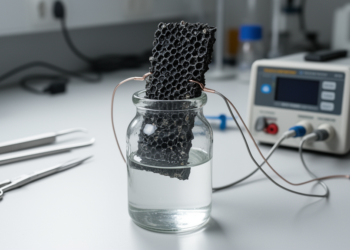
NiTe–MoS2/rGO electrode reaches 782 farads per gram in laboratory testing
A laboratory NiTe–MoS2/rGO supercapacitor electrode achieved 782 farads per gram and retained 87% of its initial capacity after 5,000 cycles.
A laboratory NiTe–MoS2/rGO supercapacitor electrode achieved 782 farads per gram and retained 87% of its initial capacity after 5,000 cycles.
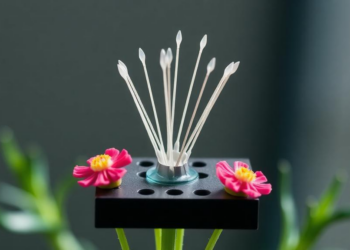
A comparative study shows that CBD-grown needle-like Zn(OH)2 thin films deliver nearly double the specific capacitance of SILAR-grown microflower films, ...

Researchers have grown a reduced graphene oxide–polypyrrole composite directly on stainless steel by chemical bath deposition, achieving a specific capacitance ...
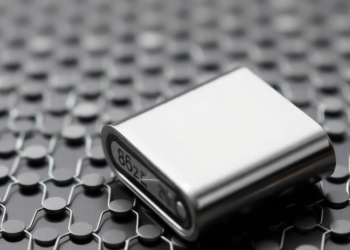
Researchers have used water-soluble inorganic nitrogen precursors in a hydrothermal process to fine-tune nitrogen chemistry on graphene, producing a supercapacitor ...
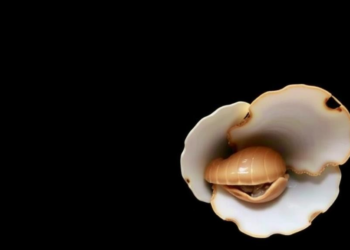
Researchers in India have converted discarded clam shells into a porous activated carbon supporting cerium-doped lanthanum cobaltite, creating a composite ...
Researchers in India used honey as the fuel in a solution-combustion synthesis to create a thorium-doped zinc oxide nanomaterial that ...

A ternary composite of bismuth oxide, precipitated calcium carbonate and carbon nanotubes in a PVDF/DMF matrix achieves a specific capacitance ...

Researchers in South Korea have used a liquid crystalline co-assembly strategy to intercalate soft polymer chains between carbon nanotube bundles, ...
Researchers at VIT-AP University used a simple slurry-coating method to build a MXene-polyaniline hybrid electrode that delivers 406 F g−1 ...
Researchers converted cotton-wick soot from burning sesame oil into a high-performance supercapacitor electrode using a five-minute, low-temperature microwave activation that ...


Embark on a thrilling journey of discovery with Scienmag.com—your ultimate source for cutting-edge breakthroughs. Immerse yourself in a world where curiosity knows no limits and tomorrow’s possibilities become today’s reality!