

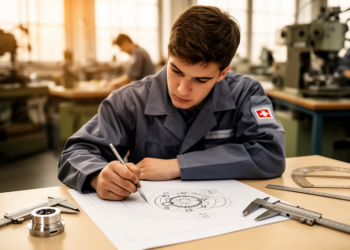
Confidence and Calibration Predict Spatial Skills in Swiss Vocational Students
A study of 180 Swiss vocational students found that calibration and confidence judgments, not self-efficacy directly, predicted spatial drawing performance.
A study of 180 Swiss vocational students found that calibration and confidence judgments, not self-efficacy directly, predicted spatial drawing performance.

A cross-sectional study of 100 Iranian children with asthma found moderate self-efficacy, mild perceived barriers, and links between attack frequency, ...

A randomized controlled trial in Türkiye found that Metaverse- and VR-supported education in a digital breastfeeding museum raised breastfeeding knowledge, ...

A survey of 962 Chinese secondary vocational students found self-efficacy was the strongest factor associated with online learning motivation, with ...

A seven-week socioscientific issues training program for eleven Turkish science teachers improved their conceptual knowledge structures and significantly raised self-efficacy ...

A randomized controlled trial in Türkiye found that pregnant women who used a web-based Transtheoretical Model intervention relapsed to smoking ...

A pre- and post-intervention study of 38 community nurses found that a 1.5-hour COMFORT model training session significantly increased self-reported ...

A cross-sectional study of 313 stroke patients in China identified three distinct profiles of participation preferences in discharge planning, linked ...
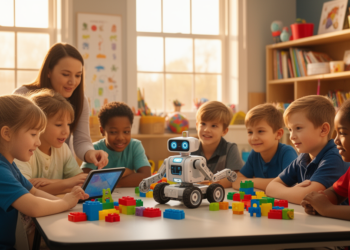
A systematic review of 15 studies finds largely positive but methodologically fragile evidence for educational robotics programs in after-school and ...

A narrative review of 230 publications argues that integrated writing in L2 higher education is a coordinated, source-mediated form of ...


Embark on a thrilling journey of discovery with Scienmag.com—your ultimate source for cutting-edge breakthroughs. Immerse yourself in a world where curiosity knows no limits and tomorrow’s possibilities become today’s reality!