


Screen Time Doesn’t Just Steal Exercise Hours, Landmark Study Reveals
A device-based study of 94 adults finds that recreational screen time displaces other sedentary activities rather than adding to total ...
A device-based study of 94 adults finds that recreational screen time displaces other sedentary activities rather than adding to total ...

A new accelerometer study of 1,233 Japanese workers finds that high occupational physical activity is associated with cardiometabolic risk scores ...

A year-long accelerometer study of 184 breast cancer survivors shows gradual recovery of daily movement behaviors after surgery, yet survivors ...

A Finnish compositional data analysis of more than 400 children and adolescents finds that lower light physical activity is linked ...
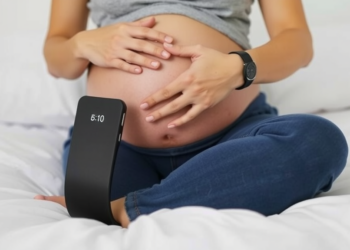
A small feasibility study found that pregnant participants could wear a research-grade accelerometer around the clock and complete text-message sleep ...

A 16-week wearable-based cohort study will use network science and compositional data analysis to track how daily sleep, sedentary time, ...

A German study of 212 preschoolers using wrist-worn accelerometers found that higher-intensity physical activity is linked to longer, more efficient ...
A compositional analysis of more than 2,500 older US adults finds that computer use is linked to better cognitive function ...

A co-created Swedish workplace intervention helped office workers with flexible arrangements gain 36 minutes of nightly sleep over a year, ...

A new scoping review of twenty studies finds mixed and inconsistent evidence on how physical activity, sedentary behavior, and sleep ...


Embark on a thrilling journey of discovery with Scienmag.com—your ultimate source for cutting-edge breakthroughs. Immerse yourself in a world where curiosity knows no limits and tomorrow’s possibilities become today’s reality!