

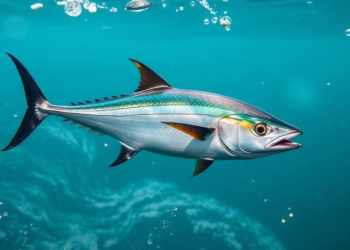
Ocean Chemistry and Currents Together Explain Skipjack Tuna Catch Swings in Tropical Java
A five-year study of Palabuhanratu Bay shows that skipjack tuna catch rates are shaped by the combined influence of physical ...
A five-year study of Palabuhanratu Bay shows that skipjack tuna catch rates are shaped by the combined influence of physical ...

Researchers have identified a June–July dipole in South Atlantic atmospheric river activity that explains about a quarter of Amazon wildfire ...
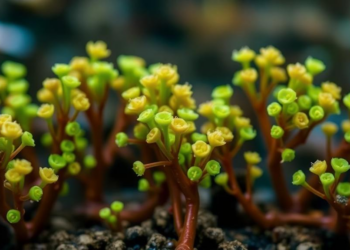
New research shows that phytoplankton blooms in the North Atlantic can warm sea surfaces, strengthen moisture-carrying winds, and boost central ...
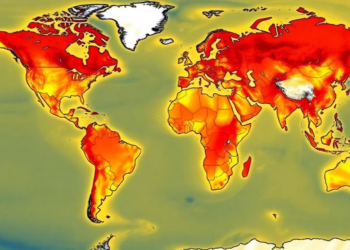
A new 43-year global database applies ten different marine heatwave definitions in parallel, revealing how methodological choices reshape our picture ...
A massive ensemble of decadal climate forecasts shows that North Atlantic ocean temperatures carry multi-year predictability for European summers, but ...
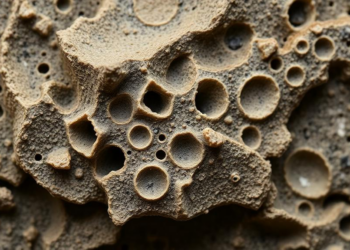
A continuous Argentine sediment record shows that after the K–Pg extinction, opportunistic foraminifera dominated the ocean before a 1.5 °C ...

A new study links Kerala's rising pre-monsoon rainfall to North Indian Ocean warming and shows that the state's March-to-May rains ...

A new deep-learning dataset called PhyEddy-Net fuses satellite altimetry, vorticity, and sea surface temperature data to detect 36.7 million ocean ...
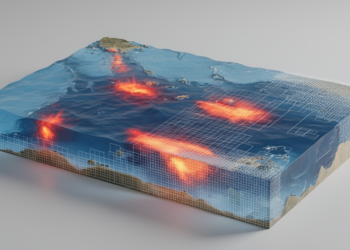
A systematic evaluation of Med-CORDEX regional climate models shows they reliably improve Mediterranean sea surface temperature patterns and marine heatwave ...
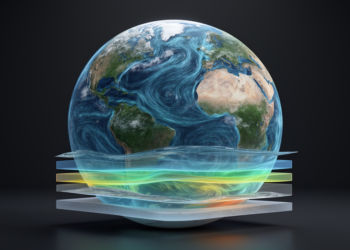
A new quasi-global ensemble ocean reanalysis, LORA-QG, matches established global products in accuracy while uniquely providing uncertainty estimates and full ...


Embark on a thrilling journey of discovery with Scienmag.com—your ultimate source for cutting-edge breakthroughs. Immerse yourself in a world where curiosity knows no limits and tomorrow’s possibilities become today’s reality!