

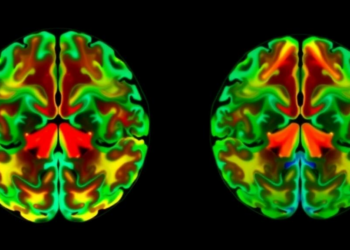
Thalamus Brain Maps Reveal Two Distinct Schizophrenia Biotypes
A multisite fMRI study used individualized pulvinar-cortical connectivity deviations to identify two negative-symptom-anchored biotypes of schizophrenia.
A multisite fMRI study used individualized pulvinar-cortical connectivity deviations to identify two negative-symptom-anchored biotypes of schizophrenia.

A 48-week Chinese cohort study found that long-acting injectable antipsychotics offered no clinically meaningful advantage over oral medications in reducing ...

A six-month prospective study found that switching stable schizophrenia patients from olanzapine to aripiprazole reversed a high-risk metabolic syndrome subtype ...

A new review in Translational Psychiatry proposes that empathy difficulties in schizophrenia arise from unstable regulation of the boundary between ...
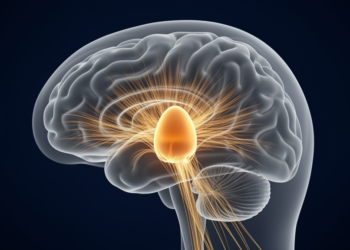
A biophysically constrained computational model of a lateral geniculate thalamocortical neuron reveals five distinct firing regimes and shows that the ...

A cross-sectional study of 155 residents in a Taiwanese psychiatric nursing home found that 55.5 percent of aging adults with ...
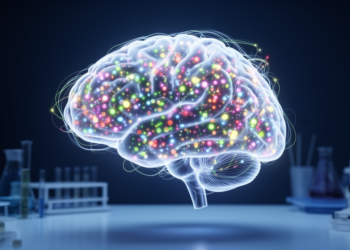
A single-nucleus atlas of 5.6 million brain cells from 1,384 donors maps cell-type-specific genetic regulation underlying Alzheimer's disease, schizophrenia and ...

A machine learning analysis of Korean speech shows that reduced lexical richness, syntactic complexity, semantic coherence, and sentiment polarity distinguish ...

A genome-wide association study in Han Chinese patients links a variant in the synaptic gene MCTP2 to greater improvement of ...

A study of over 300,000 UK Biobank participants finds that polygenic scores for psychiatric conditions predict exposure to environmental risk ...


Embark on a thrilling journey of discovery with Scienmag.com—your ultimate source for cutting-edge breakthroughs. Immerse yourself in a world where curiosity knows no limits and tomorrow’s possibilities become today’s reality!