


Physiology-driven system adapts immersive exhibition spaces in real time
A 2026 study linked multimodal emotion decoding to low-latency reinforcement-learning control, improving immersion scores in simulation and yielding preliminary behavioural ...
A 2026 study linked multimodal emotion decoding to low-latency reinforcement-learning control, improving immersion scores in simulation and yielding preliminary behavioural ...
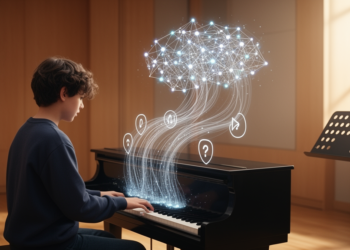
A hybrid AI system achieved strong skill-level prediction on a public music-learning dataset, but its training recommendations remain to be ...
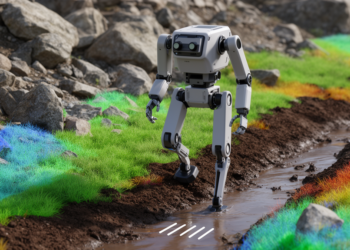
A simulator study found that semantic terrain labels guided a unified behavior-cloning policy to select flat-ground and stairway behaviors for ...

A new multilayered machine learning framework combines URL, message, app and network analysis with adaptive user training to detect Android ...
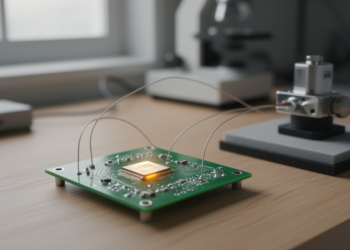
A reinforcement learning-based dynamic quantization method compresses seismic phase-picking models to as little as 3.34 bits on average while keeping ...
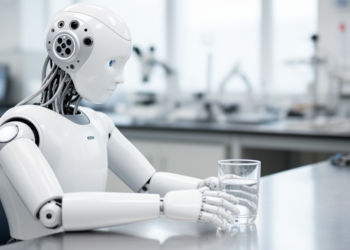
A new research collection spanning tactile arrays, sim-to-real tactile learning, LiDAR-camera calibration, structured visual reasoning and virtual social touch shows ...
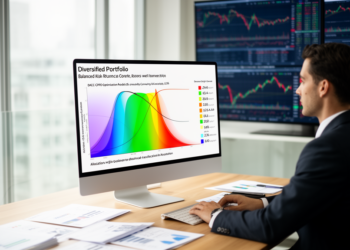
The DAC-CPPO reinforcement learning model reported a 1.91 Sharpe ratio and 0.14 volatility, outperforming comparison models in the study’s portfolio ...

Researchers have introduced RAPBS, a reliability-aware framework that places bidirectional service function chains in mobile edge computing using backup estimation, ...
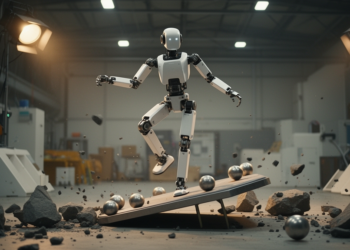
An enhanced asynchronous actor-critic framework trained in simulation and on a physical mobile robot showed faster convergence, higher throughput, and ...

A new review of thirty studies finds artificial intelligence showing strong potential across minimally invasive vascular surgery, from risk prediction ...


Embark on a thrilling journey of discovery with Scienmag.com—your ultimate source for cutting-edge breakthroughs. Immerse yourself in a world where curiosity knows no limits and tomorrow’s possibilities become today’s reality!