


Study Tracks Key Psychological Factors in Online Internet Use Disorder Therapy
A secondary trial analysis shows therapist alliance, motivation, and distress significantly relate to internet use disorder outcomes across two years.
A secondary trial analysis shows therapist alliance, motivation, and distress significantly relate to internet use disorder outcomes across two years.

A three-arm randomized controlled trial reveals that structured self-compassion-oriented expressive writing significantly reduces emotional exhaustion and cynicism among practicing psychotherapists.

A randomized trial found that patients with borderline personality disorder who received four months of brief Good Psychiatric Management showed ...

A first-of-its-kind qualitative study reports how six patients and five clinicians experienced DBT-PTSD, identifying trauma-focused exposure as the perceived main ...

A qualitative study of 16 peer-nominated clinical psychologists finds that therapists experience persistent tensions when integrating research evidence, clinical experience ...

A small Romanian randomized trial found that two-day group cognitive evolutionary therapy reduced depressive symptoms one week after treatment, but ...

A cross-sectional survey of Ontario psychotherapists found substantial variability in training on racial trauma, with many reporting minimal formal education ...
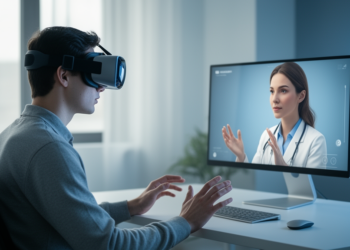
A randomized online experiment found that a photorealistic therapist avatar improved expectations and alliance when introduced before a human therapist, ...

Researchers developed and validated the Rula Wellbeing Scale, a free four-item measure of eudaimonic wellbeing covering connectedness, daily functioning, purpose, ...

A survey of 286 U.S. psychological service providers finds most had limited exposure to functional neurological disorders, only modest confidence ...


Embark on a thrilling journey of discovery with Scienmag.com—your ultimate source for cutting-edge breakthroughs. Immerse yourself in a world where curiosity knows no limits and tomorrow’s possibilities become today’s reality!