

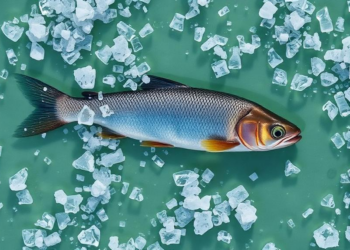
Microplastics Have Infiltrated Bangladesh’s Waters, Fish, Salt and Even Tea
A systematic review of 50 studies finds microplastics contaminating Bangladesh's water, sediment, fish, salt, sugar and tea, with textile fibers ...
A systematic review of 50 studies finds microplastics contaminating Bangladesh's water, sediment, fish, salt, sugar and tea, with textile fibers ...
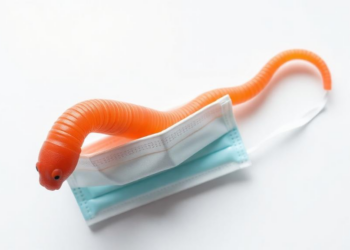
Researchers in China report that superworm larvae can degrade disposable polypropylene face masks at high rates, and that the breakdown ...
A new laboratory study finds that leachates from biodegradable polypropylene microplastics inhibit the growth of marine microalgae, with Chlorella sp. ...
A new review in the Journal of Materials Science maps the fundamentals, processing routes, applications, and remaining challenges of basalt ...
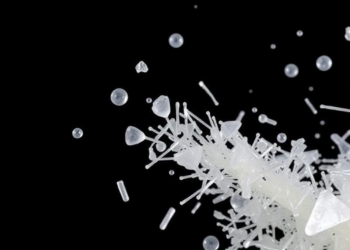
Researchers at the University of Palermo have created porous filters from recycled polypropylene and PET that capture over 96 percent ...
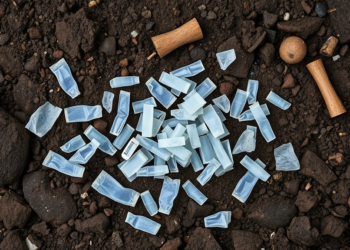
Spanish researchers have validated a new analytical protocol that reliably extracts and identifies microplastics as small as 50 micrometres in ...
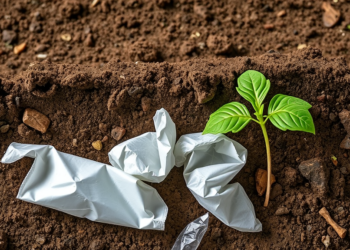
A new Nigerian study shows that polypropylene microplastics and lead contamination interact synergistically to acidify soil, deplete nutrients, and severely ...
A new study shows that the internal electron donor in titanium–magnesium Ziegler–Natta catalysts controls how ethylene units are sequenced in ...
A new study shows that the color of polypropylene and PMMA microplastics controls how they age and how strongly they ...
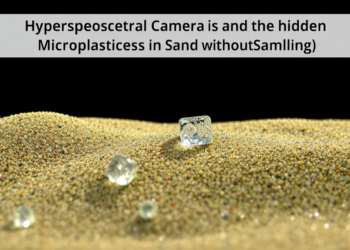
Researchers have combined near-infrared hyperspectral imaging with a self-organizing map neural network to identify and semi-quantitatively map microplastic contamination on ...


Embark on a thrilling journey of discovery with Scienmag.com—your ultimate source for cutting-edge breakthroughs. Immerse yourself in a world where curiosity knows no limits and tomorrow’s possibilities become today’s reality!