

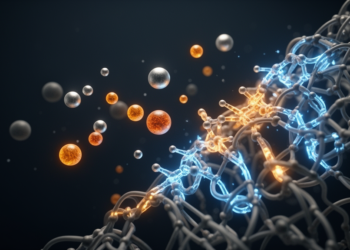
Toxic Heavy Metal Ions Repurposed as Inputs for Molecular Computing and Encryption
A mini review describes how nanomaterial platforms convert heavy metal ion binding into multimodal sensor signals, molecular logic operations, and ...
A mini review describes how nanomaterial platforms convert heavy metal ion binding into multimodal sensor signals, molecular logic operations, and ...
An in-vitro study found that adding bacterial cellulose nanocrystals to resin-modified glass ionomer cement preserved its mechanical properties, while 2-methacryloyloxyethyl ...
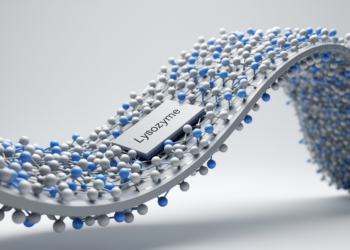
Researchers stabilized $\text{Ti}_3\text{C}_2\text{T}_x$ MXene using a lysozyme amyloid coating, resulting in a flexible strain sensor that maintained stable functionality for ...
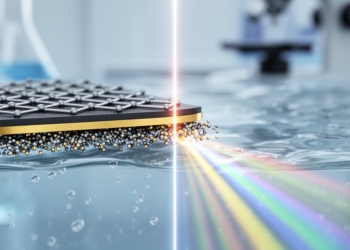
A computationally optimized graphene-oxide optical sensor modeled resonance shifts associated with mercury, lead and zinc, but the device has not ...

Electron and soft X-ray imaging beams changed the products of a copper-oxide nanocube reaction, producing gold coatings under electrons and ...
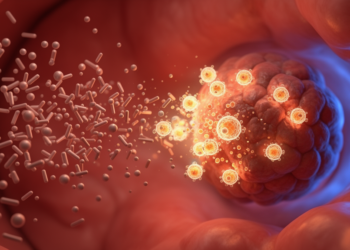
A new review maps how lipid nanoparticles, polymeric carriers, nanomicelles, macrophage-targeted immunotherapy and nanoparticle-driven photothermal and magnetic ablation could shift ...
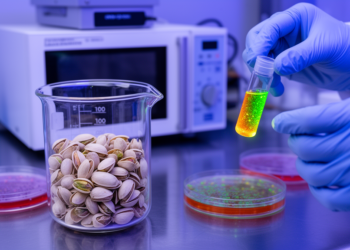
A microwave-assisted method converts pistachio shell waste into fluorescent carbon dots that show antioxidant activity, selective toxicity toward neuroblastoma cells, ...

A laboratory study found that Rhinella arenarum larvae accumulated far more gold nanoparticles when exposed alongside the aquatic plant Lemna ...

A new review argues that biomolecules from plants, algae and bacteria can replace toxic solvents and energy-intensive processes in the ...
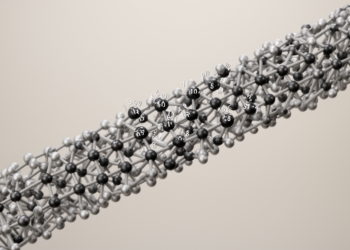
A five-composition materials study found that nickel substitution redirected LaFe1−xNixO3 nanofibers from iron-dominated antiferromagnetism toward nickel-centered exchange and a paramagnetic ...


Embark on a thrilling journey of discovery with Scienmag.com—your ultimate source for cutting-edge breakthroughs. Immerse yourself in a world where curiosity knows no limits and tomorrow’s possibilities become today’s reality!