

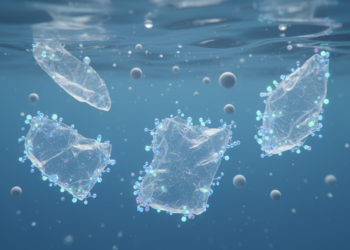
Microplastics Turn Chemically Reactive in Water, Raising New Health Concerns
A new Nature study shows that microplastic surfaces become chemically reactive in water, generating tissue-damaging radicals that may explain links ...
A new Nature study shows that microplastic surfaces become chemically reactive in water, generating tissue-damaging radicals that may explain links ...
A new review argues that nanoplastics are an increasingly recognised contaminant in wildlife, but analytical limitations and non-specific biomarkers mean ...

A new comparative review shows that sewage sludge spread on farmland transfers microplastics, PFAS, and pharmaceutical residues to soil through ...

A new Pediatric Research commentary by Richard J. Jackson argues that fifty years of progress in children's environmental health, from ...
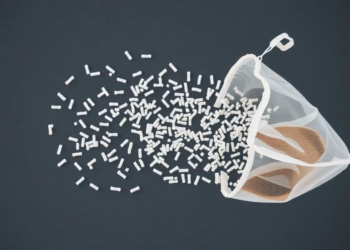
A new study in npj Science of Food finds that plastic tea bags release up to 2,498 microplastic particles per ...
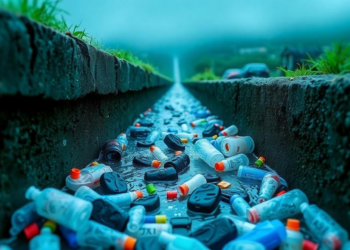
A new review shows that urban stormwater networks act as dynamic reactive transport systems that can carry microplastic loads up ...
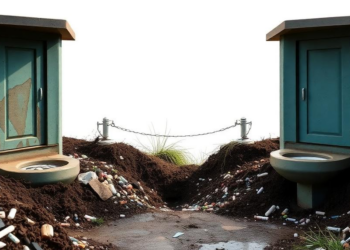
A Nature Communications study shows that non-sewered sanitation systems retain most microplastics but transform the particles they process into smaller, ...
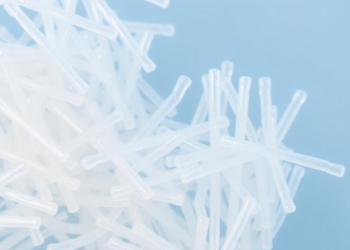
Researchers have created a ZIF-8 metal–organic framework hydrogel that removes up to 98 percent of PET and PE microplastics from ...
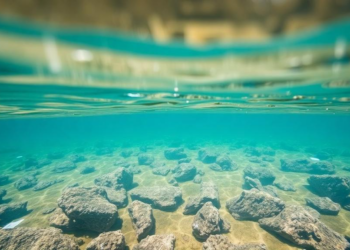
A University of the South Pacific study has confirmed that drainage channels around industrial sites on Fiji's Viti Levu carry ...
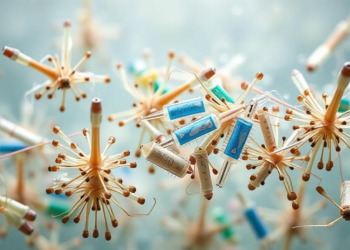
A new systematic review in Environmental Management maps the global landscape of microplastic biomonitoring, offering a decision framework for selecting ...


Embark on a thrilling journey of discovery with Scienmag.com—your ultimate source for cutting-edge breakthroughs. Immerse yourself in a world where curiosity knows no limits and tomorrow’s possibilities become today’s reality!