


Vaccination May Speed Up Influenza Evolution, Model Warns
A coupled epidemiological and evolutionary model of influenza shows that vaccination can accelerate viral escape and even raise infection incidence ...
A coupled epidemiological and evolutionary model of influenza shows that vaccination can accelerate viral escape and even raise infection incidence ...

A phase 1 trial found that the BPL-1357 whole-virus inactivated influenza vaccine was well tolerated and induced broad antibody responses ...

A two-season analysis of the UK's FluSurvey platform shows most influenza-like illness never reaches healthcare services, yet volunteer-reported symptoms closely ...

Cryo-EM and binding assays reveal that hemagglutinin mutations E190D and Q226H in H5N1 viruses from a severely ill British Columbia ...

A new diffusion-model-based tool called Influpaint encodes influenza seasons as spatiotemporal images and generates competitive, probabilistic forecasts of epidemic trajectories ...

Deep mutational scanning of the CR9114 antibody reveals that epistasis and pleiotropy make cross-reactive breadth against both influenza A and ...

An international expert panel coordinated by West China Hospital has published twelve consensus recommendations to prevent secondary mucormycosis following respiratory ...

Molecular dynamics simulations show that thyme constituents, especially thymol, bind and structurally destabilize influenza H1N1 hemagglutinin more effectively than curcumin.

A three-year surveillance study of 1,716 patients in Kaifeng, China, maps the local respiratory pathogen spectrum and finds that most ...
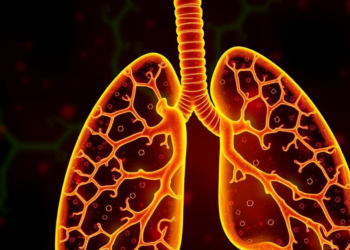
New research identifies endothelial Angptl2 as a key molecular driver linking influenza-induced vascular injury to pulmonary fibrosis through EndMT and ...


Embark on a thrilling journey of discovery with Scienmag.com—your ultimate source for cutting-edge breakthroughs. Immerse yourself in a world where curiosity knows no limits and tomorrow’s possibilities become today’s reality!