

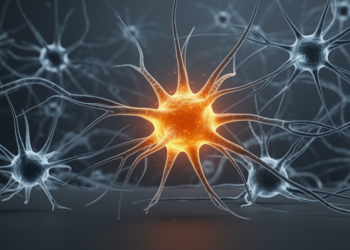
Astrocytes may drive chronic traumatic encephalopathy, scoping review finds
A PRISMA-guided scoping review of 40 studies argues that astrocytes act as early, active contributors to chronic traumatic encephalopathy rather ...
A PRISMA-guided scoping review of 40 studies argues that astrocytes act as early, active contributors to chronic traumatic encephalopathy rather ...
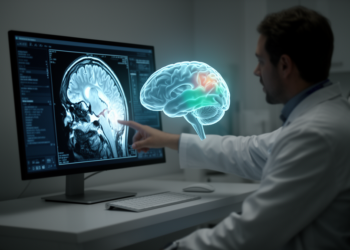
A multimodal MRI study of 76 Parkinson's patients found the DTI-ALPS index covaried with regional thalamic tissue susceptibility and age ...
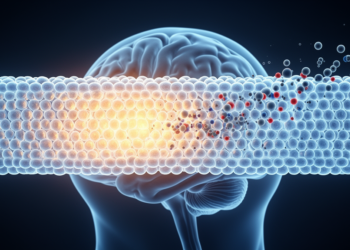
A new review argues that crossing the blood-brain barrier is only the starting point of CNS drug delivery, with perivascular ...
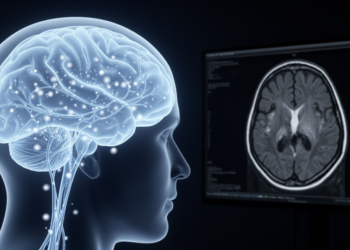
A study of 79 people with drug-resistant focal epilepsy found no significant DTI-ALPS index differences versus healthy controls, but lesion ...
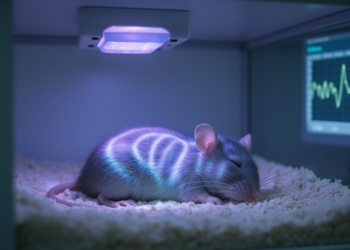
A study in mice finds that near-infrared light therapy clears beta-amyloid and improves memory in aged animals only when delivered ...

A new editorial argues that recent large trials have failed to show broad benefits for the sedative dexmedetomidine, while suggesting ...
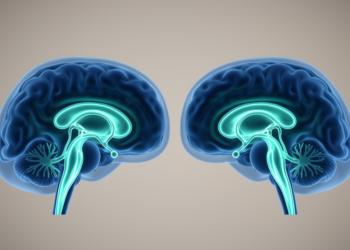
A cross-sectional study of 784 women found that lateral ventricular volume, not reproductive hormones, statistically accounted for most variation in ...
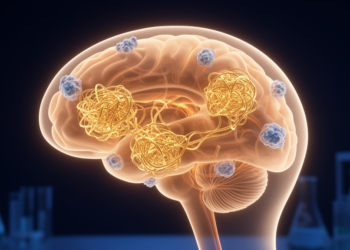
A new opinion article in Frontiers in Neurology argues that tau-related mechanisms, which respond rapidly to sleep loss, deserve far ...
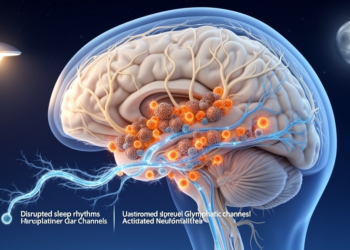
A conceptual review proposes that disrupted circadian timing may reinforce neuroinflammation, impair glymphatic clearance and alter molecular clock activity.
In a cross-sectional study of 59 people with asymptomatic moyamoya disease, DTI-ALPS was more consistently associated with global cognition than ...


Embark on a thrilling journey of discovery with Scienmag.com—your ultimate source for cutting-edge breakthroughs. Immerse yourself in a world where curiosity knows no limits and tomorrow’s possibilities become today’s reality!