


Random Corrosion Pits Reveal Hidden Weaknesses in Bridge Cable Steel Wires
A combined scanning, simulation, and testing study shows that randomly distributed corrosion pits, not just their maximum depth, govern the ...
A combined scanning, simulation, and testing study shows that randomly distributed corrosion pits, not just their maximum depth, govern the ...

A full-scale pavilion at the University of Stuttgart shows that timber-flax hybrid structures can be shaped by computational form-finding driven ...

Researchers have combined verified finite element simulations with machine learning to predict fretting dissipated energy and slip regimes in under ...

Researchers at Anna University have developed two novel ductile slab-to-beam connection details that kept hollow core floor slabs supported at ...

Researchers have built a 12-millimeter-tall multi-cell aluminum absorber filled with polyurethane-infiltrated aluminum foam that absorbs nearly a kilojoule of impact ...
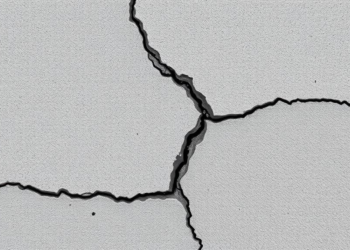
A validated ultrasonic phase reversal technique measures concrete crack depth accurately even when cracks are filled with water, sand, or ...

A new numerical study shows that slow-moving landslides fundamentally alter the seismic response of pile-supported bridge piers, underscoring the need ...

Researchers at the Technion have 3D-printed polymeric aortic valves with embedded, biomimetic PETG fiber networks that cut predicted leaflet strain ...

Researchers have developed a strut-and-tie model that accurately predicts the shear strength of squat shear walls locally reinforced with ultra-high ...

Researchers in South Korea show that wrapping reinforced concrete columns with basalt fiber-reinforced polymer composites can multiply their strength, ductility, ...


Embark on a thrilling journey of discovery with Scienmag.com—your ultimate source for cutting-edge breakthroughs. Immerse yourself in a world where curiosity knows no limits and tomorrow’s possibilities become today’s reality!