

Why One Biomarker Cannot Tell You How Fast You Are Aging
A new Frontiers in Aging collection argues that biological aging must be measured through combinations of epigenetic, proteomic and physiological ...
A new Frontiers in Aging collection argues that biological aging must be measured through combinations of epigenetic, proteomic and physiological ...
A new scoping review finds that maternal childhood adversity shows complex, context-dependent links to epigenetic aging markers in children, though ...
For the first time, six proteomic aging clocks have been deployed as readouts in a clinical trial, revealing more about ...
A new Aging Cell study shows that single-clock reports of biological age reversal often fail when tested against multiple epigenetic ...

A new data-driven dietary index built around epigenetic aging clocks is associated with nearly four years slower biological aging, lower ...
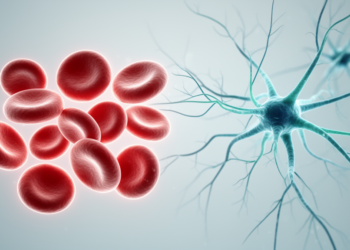
University of Bonn researchers directly reprogrammed red blood cell precursors from elderly donors into neural stem cells whose epigenetic clocks ...

A study of nearly 900 dogs in the Dog Aging Project shows that larger and male dogs undergo accelerated epigenetic ...
A meta-analysis of randomized trials combined with Mendelian randomization finds that physical activity improves key aging indicators, with peak benefits ...

A UCLA Health randomized controlled trial found that cognitive behavioral therapy for insomnia increased remission rates and slowed the pace ...
A large longitudinal study shows that DNA methylation-based biological aging and the cytokine TGF-beta play distinct causal roles in cognitive ...


Embark on a thrilling journey of discovery with Scienmag.com—your ultimate source for cutting-edge breakthroughs. Immerse yourself in a world where curiosity knows no limits and tomorrow’s possibilities become today’s reality!