

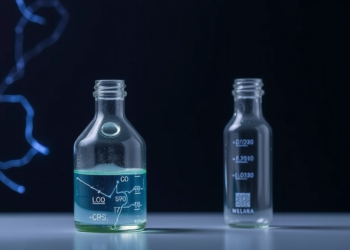
Chemists Turn CO2, Nitrite and Aldehydes Into Valuable Amino Acids Using Only Electricity
Yale chemists have developed a two-step electrosynthesis that converts carbon dioxide, nitrite and aromatic aldehydes into valuable arylglycine amino acids ...
Yale chemists have developed a two-step electrosynthesis that converts carbon dioxide, nitrite and aromatic aldehydes into valuable arylglycine amino acids ...
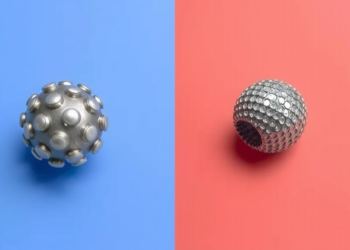
A head-to-head evaluation of pure nano-silicon, ball-milled, and CVD silicon/carbon anodes reveals that structural stability, not charge-transfer kinetics, governs long-term ...

The University of Utah's Wilkes Center awarded its $250,000 2026 Climate Innovation Prize to Houston-based Solidec, whose generators produce essential ...
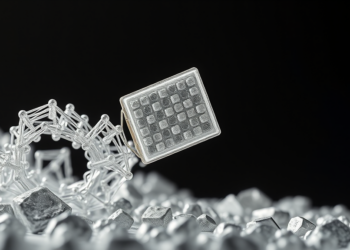
Researchers have created a ternary NiO/Cellulose/PANI hybrid electrode that achieves high specific capacitance, 98 percent retention over 6000 cycles, and ...
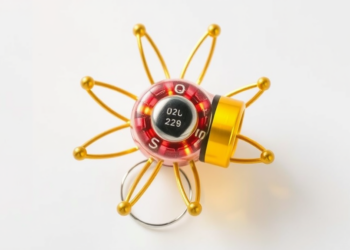
Researchers at the University of East London have co-developed an X-ray spectroscopy and computer modelling method that predicts how anions ...
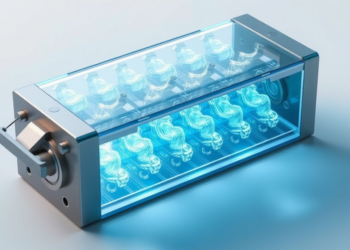
Researchers have demonstrated a durable nickel hydroxide battery cell that captures carbon dioxide directly from air at 132 kJ per ...
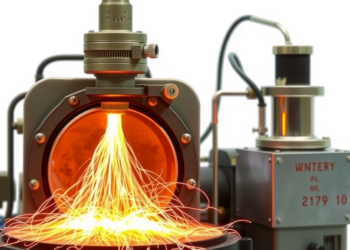
A century-spanning review in npj Advanced Manufacturing charts how electrochemical technologies evolved from decorative plating into a unified, decarbonization-critical foundation ...

Chemists have developed an electrochemical three-component cascade that installs trideuteromethylthio groups onto enaminones, yielding compounds that can protect cells from ...

New research reveals the autocatalytic electrochemical mechanism by which tight gaps around rivets accelerate corrosion in historic steel structures.
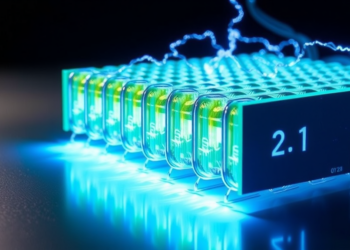
MIT chemists have shown that using a palladium membrane as the anode of a molten-hydroxide electrochemical cell allows electricity, rather ...


Embark on a thrilling journey of discovery with Scienmag.com—your ultimate source for cutting-edge breakthroughs. Immerse yourself in a world where curiosity knows no limits and tomorrow’s possibilities become today’s reality!