

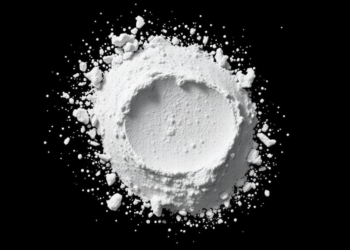
A Wine-Derived Acid Slows Cement, Then Makes It Stronger
New research shows that trace doses of L-(+)-tartaric acid delay cement setting yet ultimately produce denser pore networks and significantly ...
New research shows that trace doses of L-(+)-tartaric acid delay cement setting yet ultimately produce denser pore networks and significantly ...

Researchers trained an explainable XGBoost model on 1,670 field-recorded concrete mixes, achieving R-squared 0.9263 in strength prediction while using SHAP ...
Scientists combined pre-wetted shale ceramsite with limestone calcined clay cement to create a lightweight mortar that is stronger per kilogram ...
Researchers in Thailand have shown that fibres from invasive water hyacinth plants can significantly boost the tensile strength and toughness ...
A performance-normalized life cycle assessment of five Australian waste clays shows calcined clays cut cement's carbon footprint by up to ...
Researchers grew insulation biocomposites from fungal mycelium and agricultural waste, finding that a hemp shive and Pleurotus ostreatus composite achieved ...
Researchers replaced fly ash in carbon-fiber-reinforced geopolymer with red mud and ore tailings, achieving up to 33.5 decibels of X-band ...
A systematic study of rubberized alkali-activated concrete shows that fine crumb rubber particles under one millimeter preserve strength while boosting ...
Researchers used explainable machine learning to predict and interpret the compressive strength of sustainable SCM-based concrete, finding LightGBM the most ...
Researchers at NIT Raipur showed that induction furnace steel slag can replace up to half the river sand in Engineered ...

Embark on a thrilling journey of discovery with Scienmag.com—your ultimate source for cutting-edge breakthroughs. Immerse yourself in a world where curiosity knows no limits and tomorrow’s possibilities become today’s reality!