


Eye Movements Expose Hidden Executive Decline in Late-Life Depression
A Taiwanese eye-tracking study found that older adults with late-life depression make more anti-saccade errors and show weaker voluntary inhibitory ...
A Taiwanese eye-tracking study found that older adults with late-life depression make more anti-saccade errors and show weaker voluntary inhibitory ...
A new study of 313 young adults shows that inhibition is not a single mental skill but a set of ...
New experiments show that the brain can suppress unique-but-unknown distractors based on second-order salience, with low-salience singletons suppressed more strongly ...
A multi-site EEG study finds that Parkinson's disease alters the timing of low-beta brain bursts while theta burst amplitude tracks ...
A new neuroimaging study finds that anorexia nervosa is associated with a breakdown in how local cortical similarity networks scale ...
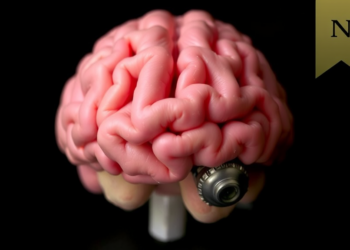
New research links spontaneous blink rate in early childhood to the neural origins of executive function, suggesting blinking may serve ...

A digital phenotyping study of 206 university students finds that fragmented smartphone use, rather than total screen time, is associated ...

A major review argues that despite consistent links between experience and children's executive function skills, the field's weak conceptualization of ...
Every time you glance at a word printed in the wrong color and force yourself to name the ink rather ...
A brief warning tone before a visual task is known to sharpen our readiness, but a new study reveals that ...


Embark on a thrilling journey of discovery with Scienmag.com—your ultimate source for cutting-edge breakthroughs. Immerse yourself in a world where curiosity knows no limits and tomorrow’s possibilities become today’s reality!