


Machine learning with patient words sharpens emergency triage classification
A retrospective cohort study of 64,382 adult emergency department patients in Brazil found that adding natural language processing of chief ...
A retrospective cohort study of 64,382 adult emergency department patients in Brazil found that adding natural language processing of chief ...
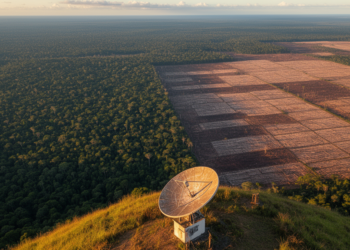
A University of Cambridge-led satellite analysis of three decades and seven presidencies finds that Brazilian election outcomes were directly linked ...

A new study reports that the herbicide 2,4-D caused oxidative stress and kidney tubular damage in the lizard Tropidurus torquatus ...

Nine years of Sentinel-2 monitoring across 85 landslide scars in southern Brazil show that recovery follows a nonlinear trajectory shaped ...
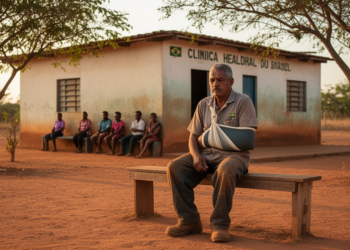
A nationwide analysis of 477,276 occupational accident cases finds 12.2 percent of Brazilian workers delay care beyond 24 hours, with ...
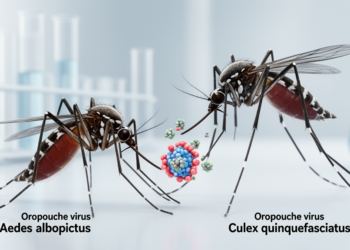
Laboratory tests show the 2024 Oropouche virus outbreak strain infects Aedes albopictus more readily than the ancestral strain, but salivary ...

A new study in Brazil shows that using effective half-life rainfall indices significantly improves the accuracy of landslide early warning ...

A policy brief in Plants, People, Planet warns that carbon market standards built for forests leave carbon-rich grasslands, savannas, and ...

A 13-year longitudinal study in Salvador, Brazil, found that urban Schistosoma mansoni transmission is largely local and that community-wide prevalence ...
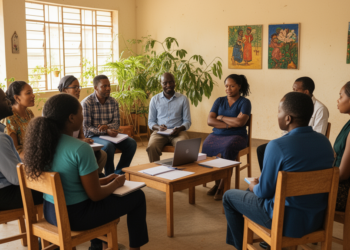
Researchers in Brazil, Peru, Canada and Germany describe a dialogical, non-extractivist approach to studying community mobilization during the COVID-19 pandemic.


Embark on a thrilling journey of discovery with Scienmag.com—your ultimate source for cutting-edge breakthroughs. Immerse yourself in a world where curiosity knows no limits and tomorrow’s possibilities become today’s reality!