


Digi-physical obesity programme shows comparable 26-week outcomes in Abu Dhabi and historical Stockholm cohort
A 26-week non-inferiority study found comparable adjusted BMI z-score changes in 35 children treated in Abu Dhabi and a 77-child ...
A 26-week non-inferiority study found comparable adjusted BMI z-score changes in 35 children treated in Abu Dhabi and a 77-child ...

A cluster-randomized trial in Germany shows that an e-health supported multicomponent family program delivered in routine pediatric primary care significantly ...

A major ECHO Program analysis of 586 mother-child pairs found no significant association between prenatal exposure to a 23-chemical mixture ...

A randomized trial found that a six-week afterschool program encouraging children to swap sugary drinks for water significantly improved BMI ...

A landmark New Zealand study of 625 infants finds that faster eaters consume more energy from solid food, while baby-led ...

A causal machine learning framework applied to seven community-based childhood obesity prevention programs involving over 7,000 children reveals that intervention ...
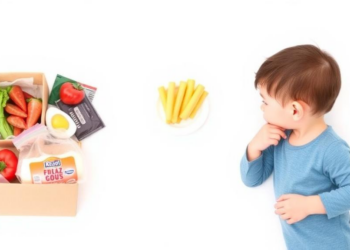
A longitudinal study of two Dutch cohorts found that high ultra-processed food intake at age three predicted greater BMI increases ...

A prospective Portuguese birth cohort study finds that accelerated fat mass gain from childhood to adolescence predicts chronic and multisite ...

A six-month real-world study in Brazil found that standard multidisciplinary care produced small reductions in children's BMI z-scores while caregivers' ...


Embark on a thrilling journey of discovery with Scienmag.com—your ultimate source for cutting-edge breakthroughs. Immerse yourself in a world where curiosity knows no limits and tomorrow’s possibilities become today’s reality!