


Machine Learning Flags College Students at Risk of Depression and Anxiety
Machine-learning models using behavioral and psychosocial indicators externally validated for stratifying college students' depression and anxiety risk.
Machine-learning models using behavioral and psychosocial indicators externally validated for stratifying college students' depression and anxiety risk.

A cohort study of 5,524 users on a Saudi digital mental health platform found that greater symptom severity at first ...

A retrospective cohort study of more than 43,000 US adults with sensorineural hearing loss found that combined dizziness and cognitive ...

A Turkish adaptation of the Penn State Worry Questionnaire for Children showed strong reliability and validity in a sample of ...

A cross-sectional network analysis of 57,739 Chinese adolescents found that self-hatred was the most intense symptom, while panic, inability to ...

A study of 1.19 million event records from 330 professional football matches shows that unforced passing errors compound into chains, ...
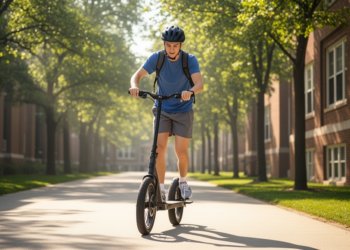
A randomized controlled trial in 60 Chinese undergraduates found that an eight-week footbike program reduced anxiety and inhibition scores and ...

A randomized controlled trial in Faisalabad found that eight weekly sessions of cognitive behavioral therapy significantly reduced depression, anxiety, and ...

A cross-sectional study of 103 drug-naïve first-episode depression patients finds elevated morning serum cortisol that correlates with anxiety, cognitive, retardation, ...

A cross-sectional survey of 526 Chinese design undergraduates links students' perceived knowledge of generative AI tools to trust, anxiety, self-efficacy, ...


Embark on a thrilling journey of discovery with Scienmag.com—your ultimate source for cutting-edge breakthroughs. Immerse yourself in a world where curiosity knows no limits and tomorrow’s possibilities become today’s reality!