

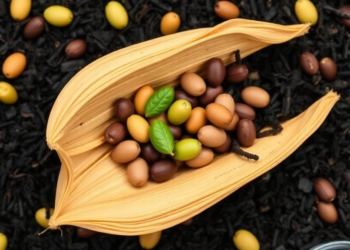
Bean Husk Waste Transformed into Biochar That Strips Lead and Chromium from Water
Researchers converted discarded bean husks into a low-cost biochar that removed up to 94.7% of lead and 91.5% of hexavalent ...
Researchers converted discarded bean husks into a low-cost biochar that removed up to 94.7% of lead and 91.5% of hexavalent ...
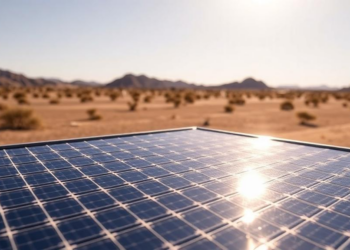
Researchers have combined few-layer graphene with the metal-organic framework MOF-303 and copper foam substrates to create solar-driven adsorbent beds that ...
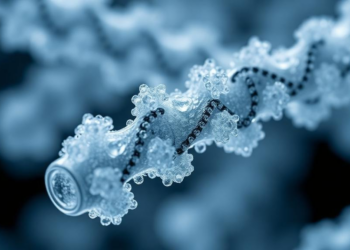
Researchers have engineered glucuronic acid and polyethyleneimine-functionalized carbon nanotubes that load 5-fluorouracil with 88 percent efficiency and release it preferentially ...
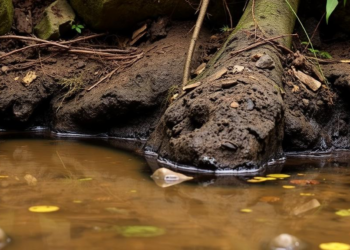
A new study of China's Huixian Karst Wetland shows that calcium and bicarbonate ions can either suppress or accelerate phosphorus ...
Tunisian researchers converted Mediterranean seagrass waste into an activated carbon and combined it with polyaniline to create a composite adsorbent ...
An optimized electrochemical-Fenton process removed over 91 percent of hexavalent chromium and 96 percent of COD from real Indian tannery ...
Researchers in India showed that waste basalt quarry dust removes 96.45 percent of malachite green dye from water under optimized ...
Chinese researchers have engineered a ZIF-8/cellulose acetate composite porous carbon with a tailored hierarchical pore structure that captures 235.0 mg/g ...
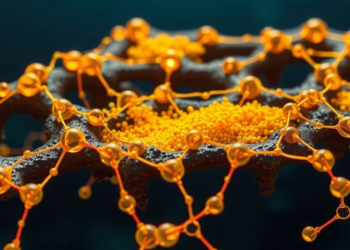
A structurally asymmetric covalent organic framework promises faster uranium uptake, bringing the vast oceanic uranium reserve closer to practical exploitation.
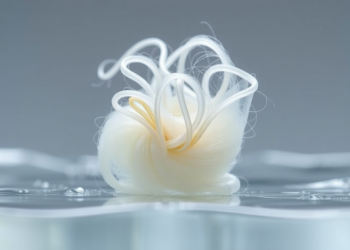
Researchers converted waste silk fibroin into a magnetic lanthanum bio-hybrid that captures phosphate from real wastewater with record capacity, high ...


Embark on a thrilling journey of discovery with Scienmag.com—your ultimate source for cutting-edge breakthroughs. Immerse yourself in a world where curiosity knows no limits and tomorrow’s possibilities become today’s reality!