


Green-Made Nanocomposite Strips Toxic Methylene Blue Dye from Water in Under an Hour
Researchers have developed a green-synthesized gallic acid, tin oxide and activated carbon nanocomposite that removes up to 98.64 percent of ...
Researchers have developed a green-synthesized gallic acid, tin oxide and activated carbon nanocomposite that removes up to 98.64 percent of ...
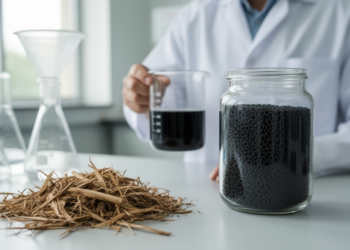
Researchers converted sugarcane bagasse into a low-temperature activated carbon that removes over 99 percent of toxic Cr(VI) and Co(II) from ...
Indian researchers used Mucuna bracteata leaf extract to synthesize a magnetic iron oxide–activated carbon nanocomposite that removes Methylene Blue dye ...
A new review maps how biochar waste can be converted into green activated carbon whose activation pathway, pore structure, and ...
Researchers have developed a solar-powered lid insert with a lithium-boosted manganese oxide catalyst that continuously destroys garbage odor compounds such ...
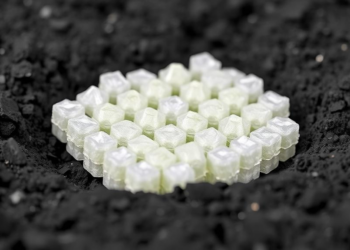
A comprehensive review maps how carbon adsorbents, zeolites, metal-organic frameworks and composites are converging to make pressure swing adsorption the ...
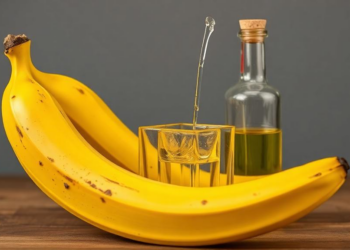
Researchers turned banana peel waste into a ZnO-ZnS activated carbon anode that powered paper-based microfluidic fuel cells running on ethanol, ...

Tunisian researchers converted Mediterranean seagrass waste into an activated carbon and combined it with polyaniline to create a composite adsorbent ...
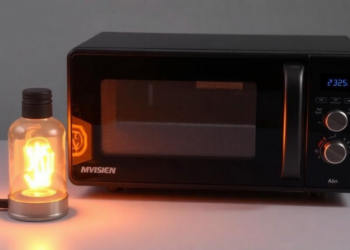
Researchers converted cotton-wick soot from burning sesame oil into a high-performance supercapacitor electrode using a five-minute, low-temperature microwave activation that ...
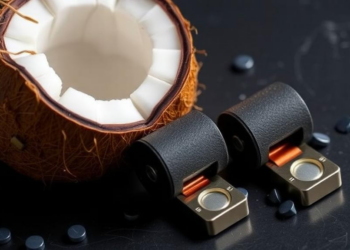
Researchers blended coconut-shell-derived activated carbon with CuCo2O4 spinel oxide to create a supercapacitor electrode delivering 643.75 F g−1 and 90% ...


Embark on a thrilling journey of discovery with Scienmag.com—your ultimate source for cutting-edge breakthroughs. Immerse yourself in a world where curiosity knows no limits and tomorrow’s possibilities become today’s reality!