

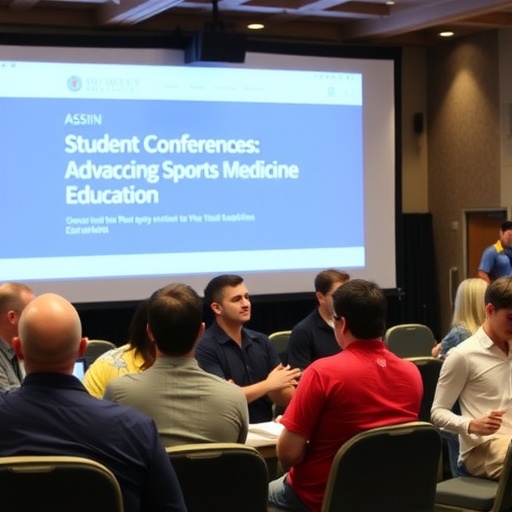
The field of sport and exercise medicine is gaining momentum, particularly within medical school curricula. A recent publication by Ali, Monaghan, Wisking, and their colleagues presents a comprehensive analysis of the significance of student conferences in this burgeoning domain. This study underscores the imperative for medical education to adapt to evolving trends and incorporate specialized areas of practice such as sport and exercise medicine into their core subjects. With holistic care becoming increasingly prioritized, integrating these concepts into medical training can enhance future healthcare professionals’ understanding and application of preventative and rehabilitative strategies.
In recent years, the medical community has placed a greater emphasis on the prevention of illness and injury through active lifestyles. As the understanding of wellness expands, the role of exercise and physical activity in maintaining health and preventing conditions like obesity, diabetes, and cardiovascular disease cannot be overstated. The research presented by Ali et al. excellently articulates the need for medical schools to not only teach these concepts but to also implement frameworks that foster student engagement and knowledge sharing. As the accessibility of information increases, so too does the necessity for innovative educational approaches that keep pace with these changes.
The authors detail the potential of student conferences as significant platforms for dialogue, networking, and interdisciplinary collaboration. Through these conferences, medical students can immerse themselves in the latest research, trends, and treatment modalities relating to sports and exercise medicine. Moreover, such gatherings can foster a sense of community, allowing students from various backgrounds to share their insights and experiences. This knowledge exchange can help to cultivate a rich academic environment that promotes critical thinking and fosters a passion for lifelong learning among future medical professionals.
As interventions for improving students’ medical education, student-organized conferences represent an ideal mechanism to bridge the gap between traditional medical teaching and modern healthcare demands. During these conferences, students have the unique opportunity to discuss and explore contemporary issues in the field, such as the application of technology in monitoring physical activity and the management of sports-related injuries. These discussions can lead to innovative ideas and potential new research directions, empowering students to contribute to the advancement of the field.
Furthermore, the involvement of faculty mentors at these student conferences is crucial in strengthening the connection between academic institutions and authentic professional practice. Faculty participation can lend credibility to the conference, inspire students, and provide networking opportunities that are invaluable as students transition from academic settings to their professional lives. Participants can gain insights not only into the clinical aspects of sports medicine but also the ethical challenges that arise in practice. This mentorship fosters a culture of inquiry and encourages students to translate theoretical knowledge into practical application.
The outcomes of these conferences extend beyond the individual student experience. Collectively, they contribute to elevating the profile of sport and exercise medicine within the broader medical community. By showcasing research findings, best practices, and innovative case studies, conferences can highlight the clinical significance of physical activity as a cornerstone of health. The visibility gained from these events is essential for advocating the inclusion of sport and exercise medicine in standardized medical curricula, benefitting future students and eventually the patients they serve.
Moreover, the potential for international collaboration should not be overlooked. With sport and exercise medicine being a global concern, inviting speakers and participants from different countries enriches the conference experience. Such diverse perspectives can help students understand how different healthcare systems approach similar challenges, ultimately broadening their own professional horizons. By collaborating across borders, students can explore the nuances of global health challenges related to sport and exercise and develop a sense of responsibility toward their role as future healthcare leaders.
As the authors of the study emphasize, integrating sport and exercise medicine into medical education is not merely an enrichment option but rather a necessity. This integration will empower future healthcare providers to address the diverse needs of their patient populations, particularly as rates of obesity and sedentary lifestyles continue to rise globally. Educators must advocate for curricular changes that reflect these realities, providing students with the knowledge and tools they need to promote healthier lifestyles in their communities.
In the quest to sustain momentum, stakeholder involvement—including medical institutions, professional organizations, and policymakers—is essential. These groups can advocate for curricular reform, facilitate access to resources, and offer platforms for student research and collaboration. By supporting student-led initiatives and fostering environments conducive to academic exploration, stakeholders can contribute to the development of a well-rounded medical education that thoroughly prepares graduates for the challenges of modern healthcare.
In conclusion, Ali et al.’s research offers profound insights into the pivotal role of student conferences in advancing sport and exercise medicine within medical school curricula. Their findings call for a concerted effort to embrace these educational opportunities as mechanisms for bridging gaps in knowledge, promoting interdisciplinary dialogue, and ultimately enhancing patient care. By prioritizing sport and exercise medicine within medical education, we can better equip future healthcare providers to meet the evolving demands of their profession, ensuring a healthier society for generations to come.
Ultimately, the trajectory of sport and exercise medicine hinges on the commitment of educational institutions to prioritize this field. As evidenced by the research of Ali, Monaghan, Wisking, and colleagues, the integration of student conferences into medical education stands as an impactful avenue for enriching students’ learning experiences while advancing the overall field. Future generations of healthcare professionals should be empowered to not only understand the intricacies of the human body but to champion physical activity as a proactive approach to maintaining health and preventing disease. By harnessing the potential of networking, collaboration, and innovation through these conferences, we can shape a future where healthcare reflects the importance of a physically active lifestyle for all.
Subject of Research: The role of student conferences in advancing sport and exercise medicine in the medical school curricula
Article Title: Bridging the gap: the role of student conferences in advancing sport and exercise medicine in the medical school curricula
Article References:
Ali, Y., Monaghan, G., Wisking, A. et al. Bridging the gap: the role of student conferences in advancing sport and exercise medicine in the medical school curricula.
BMC Med Educ (2026). https://doi.org/10.1186/s12909-026-08678-x
Image Credits: AI Generated
DOI: 10.1186/s12909-026-08678-x
Keywords: sport and exercise medicine, medical education, student conferences, interdisciplinary collaboration, healthcare, wellness, preventive health, global health, medical curriculum, mentorship.


