

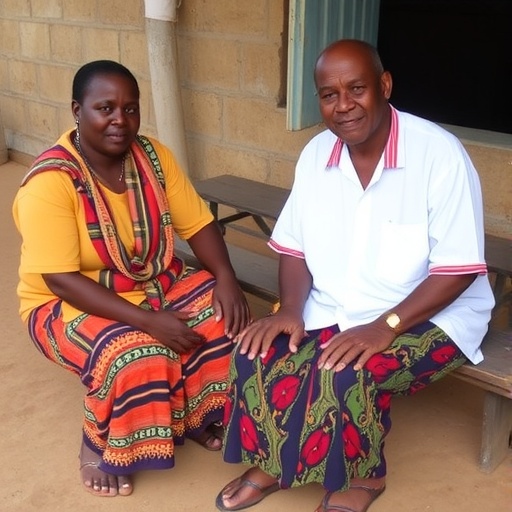
In Sierra Leone, the aftermath of a stroke can often lead to significant challenges for survivors, both in terms of health and well-being as well as access to medical care. A recent study, catalyzed by the SISLE project, delves into the complexities of health-seeking behavior among stroke survivors in this West African nation. The longitudinal qualitative research offers a deep-rooted understanding of how these individuals navigate a healthcare system that is frequently plagued by systemic inefficiencies and socio-economic barriers.
The study meticulously documents the various dimensions of health service delivery and the perceived impact it has on those recovering from stroke. Glycated hemoglobin tests, blood pressure management, and medication adherence are frequently discussed as they pertain to the individual experiences of the stroke survivors. It becomes apparent that, for many, healthcare doesn’t just provide treatment; it shapes daily routines, familial interactions, and the survivors’ social roles.
What sets this research apart is its longitudinal design, allowing for insights not just into the immediate aftermath of a stroke but also the evolving perceptions and behaviors over time. Survivors often exhibit a complex interplay of fear, hope, and resilience in their search for effective health services. Many participants in the study reported feeling overwhelmed by the healthcare landscape, leading to inconsistent health-seeking behavior that can affect their long-term recovery.
Moreover, the study emphasizes that health service delivery in Sierra Leone must consider cultural factors. There is an implicit understanding that traditional beliefs about illness and health coexist with modern medical practices. For stroke survivors, this interplay can influence their willingness to access conventional healthcare. Such cultural factors can create a chasm in healthcare delivery, leading to disparities in patient care and outcomes.
The SISLE project has reinforced the importance of community health initiatives. By understanding the specific barriers that stroke survivors face—ranging from economic hardships to physical accessibility—the research provides actionable insights for public health officials. Overwhelmingly, participants voiced a desire for more locally accessible resources, highlighting that proximity to healthcare facilities could significantly improve their overall health outcomes.
Additionally, the qualitative data indicates a noticeable gap in knowledge surrounding stroke symptoms and post-stroke recovery among the general population in Sierra Leone. Many participants were unaware of the signs of stroke, which may delay seeking timely medical interventions and lead to worse health outcomes. This finding raises important public health questions and underscores the dire need for educational campaigns that empower communities with knowledge about stroke and health-seeking behavior.
Furthermore, the study outlines the psychological effects that stem from navigating a health system fraught with difficulties. Stroke survivors often grapple with not just physical limitations but also mental health issues stemming from their experiences. Anxiety and depression were common, with echoes of isolation prevailing due to their medical conditions. Mental health resources, or the lack thereof, play a significant role in these survivors’ journeys, further complicating their health-seeking behaviors.
The researchers advocate for a more integrated approach to health service delivery. By embedding mental health support within the physical rehabilitation process, the healthcare system in Sierra Leone could better serve the holistic needs of stroke survivors. This kind of integration would not only recognize the intertwined nature of mental and physical health but also create a more supportive ecosystem for patients navigating recovery.
In dissecting the various pathways that emerge from the decision-making processes of stroke survivors, the study adeptly illustrates the multi-faceted nature of health-seeking behavior. Financial constraints often dictate when and how individuals seek care, with many participants revealing that out-of-pocket expenses could deter them from accessing necessary healthcare services. This realization prompts a conversation about health financing and insurance schemes, compelling stakeholders to reevaluate existing frameworks for supporting vulnerable populations.
Ending on a hopeful note, the study draws attention to the resilience of stroke survivors. Despite significant obstacles, many demonstrated a profound willingness to engage in their recovery. Their stories are powerful testaments to human spirit and vitality, reflecting the universal desire for health even amidst adversity.
In summary, the longitudinal qualitative study embedded within the SISLE project offers critical insights into health-seeking behavior among stroke survivors in Sierra Leone. Its findings not only highlight the barriers these individuals face but also provide meaningful recommendations for health practitioners and policymakers alike. Moving forward, the emphasis must be placed on enhancing health service delivery through education, community engagement, and addressing the intricate tapestry of individual experiences.
This complex landscape underscores the urgency for systemic reform and proactive measures, suggesting pathways to not just improve the health-seeking behaviors but to transform the lives of stroke survivors in Sierra Leone for the better.
Subject of Research: Health-seeking behavior among stroke survivors in Sierra Leone
Article Title: Health-seeking behaviour, health service delivery and its perceived impact among stroke survivors in Sierra Leone: a longitudinal qualitative study embedded in the SISLE project.
Article References:
Baldeh, M., O’Hara, J., Parmar, D. et al. Health-seeking behaviour, health service delivery and its perceived impact among stroke survivors in Sierra Leone: a longitudinal qualitative study embedded in the SISLE project.
BMC Health Serv Res (2025). https://doi.org/10.1186/s12913-025-13836-w
Image Credits: AI Generated
DOI: 10.1186/s12913-025-13836-w
Keywords: Health services, stroke survivors, Sierra Leone, health behavior, qualitative study.


