

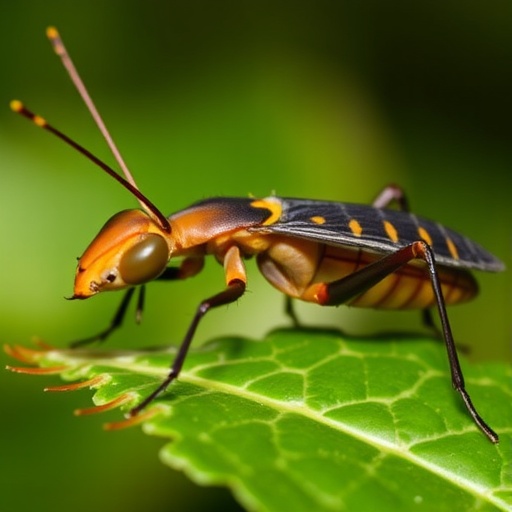
As grocery store bills continue to rise sharply across Canada, the search for affordable, sustainable protein sources has never been more urgent. An exceptional yet underutilized option lies directly at our feet—insects. Although entomophagy, or the consumption of insects, has been commonplace in numerous cultures worldwide for millennia, it remains relatively novel and somewhat taboo in North America. Recently, groundbreaking research from Concordia University sheds light on Canadian public attitudes toward incorporating insects into their diets, revealing a complex mixture of curiosity, hesitance, and demographic influences shaping acceptance.
In a comprehensive survey conducted between October 2024 and February 2025, Concordia researchers engaged 252 adult visitors at Montreal’s renowned Insectarium to understand their willingness to try insect-based foods and identify motivational factors as well as psychological barriers. Spearheaded by Nadezhda Velchovska, an Honours undergraduate in psychology, and supervised by assistant biology professor Rassim Khelifa, the study utilized structured online questionnaires to probe participants’ intentions and perceptions surrounding entomophagy. Notably, 44% expressed openness to trying insects as food, though a mere 27% were willing to integrate them regularly into their diet, underscoring a gap between initial curiosity and sustained acceptance.
Demographic analysis unveiled significant disparities in receptiveness. Men displayed a higher propensity to consume insect-based products and were more likely to report prior experience with such foods, compared to women. Educational attainment also emerged as a key predictor; individuals holding graduate degrees exhibited greater enthusiasm and experimental behavior toward cooking with insect ingredients at home. Among women, education appeared particularly influential in overcoming traditional disgust barriers, potentially reflecting shifts in cultural attitudes through informed awareness.
Age, often hypothesized as a determinant in food innovation adoption, surprisingly had no consistent correlation with acceptance of entomophagy in this population. This finding suggests that factors such as openness to novel experiences and educational background may outweigh generational influences when considering alternative protein sources like insects. The data implicates that interventions aimed at increasing entomophagy should focus less on age cohorts and more on socio-cultural and informational outreach.
One of the most insightful revelations of the study concerns the psychological motivations behind trying insect foods. Curiosity emerged as the most powerful driver, cited by nearly 42% of respondents as the primary reason to sample edible insects. Health and nutrition benefits, environmental sustainability, and taste preferences also contributed positively but to a lesser extent. Conversely, the dominant barrier remains disgust, acknowledged by 70% of participants, a deeply ingrained emotional response heightened by visibility of insect parts and concerns regarding safety and hygiene.
Presentation and product format significantly influence consumer acceptance. The survey found that 87% preferred insect-based foods in which the insect component was entirely invisible—such as finely powdered cricket flour—enhancing familiarity and minimizing visual disgust. Baked goods made with insect flours, cricket protein bars, and powdered cricket-enriched bread garnered the highest willingness to try among respondents. Contrariwise, the presence of recognizable insect larvae visibly embedded in products like muffins drastically reduced appeal, with 82% indicating it would deter consumption.
From a technical perspective, insect protein offers remarkable advantages. Insect farming requires minimal land and water compared to traditional livestock, while generating drastically lower greenhouse gas emissions, positioning it as an environmentally sustainable protein solution for the future. Moreover, insects efficiently convert feed into biomass, and when raised on organic food waste, they contribute to waste valorization, transforming otherwise discarded biomass into valuable protein and nutrient-rich fertilizer.
Khelifa highlights the circular economy potential of insect farming in agricultural ecosystems. Feeding food waste to insects, which then grow and reproduce, yields not only protein for human or animal consumption but also excrement that serves as an excellent organic fertilizer. This process could revolutionize sustainable food production by integrating insect farming as a complementary system to livestock and crop agriculture, simultaneously addressing food security, waste management, and environmental impact.
Despite these promising benefits, public hesitation rooted in food neophobia and cultural norms remains a formidable obstacle. The study’s nuanced findings emphasize the critical role of education campaigns that communicate the sanitary conditions of insect farming, clarify safety standards, and underscore the health benefits associated with entomophagy. Effective messaging could leverage the growing global consciousness around sustainability and nutrition to gradually normalize insect-based diets in Western societies.
The study, published in the esteemed journal Scientific Reports, represents a significant stride in understanding social acceptance of emerging food technologies in Canada and provides a valuable framework for future research and policy initiatives. By targeting demographic segments open to experimentation—namely men and more highly educated individuals—stakeholders can build grassroots momentum and scale broader societal adoption through positively framed, well-packaged insect food products.
As the global population continues to rise, pushing the limits of conventional agricultural systems, alternative protein sources like edible insects could play an indispensable role in securing food systems. Concordia’s research underscores that while challenges related to perception and cultural acceptance exist, there is an undeniable foundation of curiosity and willingness that can be nurtured. With strategic communication, innovative food technology, and progressive farming practices, the integration of insects into everyday Canadian diets may become an attainable reality, ripe with environmental and nutritional promise.
Subject of Research: People
Article Title: Acceptance of entomophagy among Canadians at an insectarium
News Publication Date: 21-Jan-2026
Web References:
References:
Velchovska, N., & Khelifa, R. (2026). Acceptance of entomophagy among Canadians at an insectarium. Scientific Reports. https://doi.org/10.1038/s41598-026-35288-w
Image Credits: Concordia University
Keywords: Entomophagy, Insect Protein, Sustainable Food, Behavioral Psychology, Food Innovation, Public Acceptance, Food Waste Upcycling, Environmental Sustainability


