

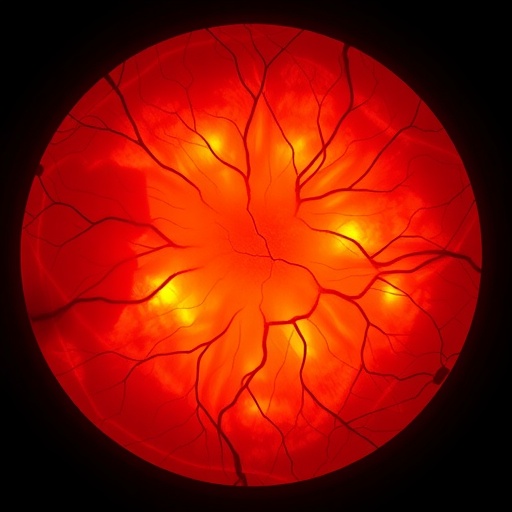
In a groundbreaking study published in Cell Death Discovery, researchers have unveiled intricate mechanisms linking Suppressor of Cytokine Signaling 5 (SOCS5) to DNA damage and cellular senescence within the context of diabetic retinopathy. This discovery sheds light on the molecular underpinnings of diabetic retinopathy—a leading cause of blindness globally—and opens new avenues for therapeutic intervention aimed at halting or reversing vision loss in diabetic patients.
Diabetic retinopathy is a chronic, progressive retinal disease caused by prolonged hyperglycemia, leading to damage in retinal blood vessels, inflammation, and ultimately death of retinal cells. At the cellular level, oxidative stress, inflammation, and DNA damage contribute to retinal dysfunction. However, the precise molecular players orchestrating these pathological events remain incompletely understood. The latest research targets the SOCS family of proteins, which modulate cytokine signaling pathways, focusing specifically on SOCS5’s role in retinal pathology.
SOCS5, traditionally recognized as a negative regulator of cytokine signaling, has recently attracted research attention due to emerging evidence suggesting its involvement beyond immune modulation. The new findings illustrate that SOCS5 significantly influences DNA integrity and cellular aging processes, especially in diabetic retinal environments. This link provides a critical missing connection between chronic metabolic stress and eventual cellular senescence that impairs retinal regeneration and function.
The investigators employed cutting-edge genomic and proteomic techniques to delineate SOCS5’s impact on DNA damage response pathways in retinal cells exposed to diabetic conditions. They discovered that SOCS5 modulation leads to increased DNA strand breaks, impeding the cell’s ability to repair itself. This accumulation of genomic instability triggers premature senescence, a state wherein cells cease to divide and acquire pro-inflammatory characteristics, further amplifying retinal inflammation and damage.
Furthermore, the study detailed how hyperglycemic conditions promote SOCS5 expression, creating a feedback loop that exacerbates cellular dysfunction. These hyperglycemic-induced changes in SOCS5 activity disrupt critical signaling cascades, including JAK/STAT and NF-kB pathways, which are pivotal for cell survival and inflammation regulation. The resultant imbalance accelerates cellular senescence, intensifying the pathological milieu of diabetic retinopathy.
Particularly striking is the revelation that SOCS5’s influence extends to mitochondrial dynamics, a key determinant of cellular energy supply and apoptotic signaling. Altered SOCS5 expression correlates with mitochondrial DNA damage and dysfunction, leading to increased reactive oxygen species (ROS) production. This oxidative burden not only damages retinal cells but also further activates SOCS5-mediated pathways, perpetuating a vicious cycle of injury.
Importantly, the study highlights potential therapeutic targets within these newly discovered mechanisms. By modulating SOCS5 expression or blocking its deleterious downstream effects, it may be possible to curtail DNA damage accumulation and delay senescence onset. Such interventions could preserve retinal cell viability and function, ultimately staving off or mitigating vision loss in diabetic patients.
In a series of experimental models, the research team demonstrated that genetic knockdown of SOCS5 alleviated DNA damage markers and reduced senescence-associated secretory phenotype (SASP) factors. These changes correlated with improved retinal cell survival and reduced inflammatory cytokine release. Their data suggest that SOCS5 acts as a critical molecular switch exacerbating diabetic retinal injury through DNA damage and senescence pathways.
Beyond the immediate implications for diabetic retinopathy, these findings contribute to the broader understanding of how metabolic diseases induce cellular damage and aging. SOCS5’s intersection with DNA repair machinery and senescence pathways hints at potential roles in other chronic diseases characterized by oxidative stress and inflammation. This positions SOCS5 as a promising focus for future investigations in metabolic and age-related disorders.
The interdisciplinary approach utilized in this study—combining molecular biology, retinal physiology, and systems biology modeling—provides a comprehensive view of retinal pathogenesis under diabetic conditions. This methodological rigor ensures robustness and opens doors for translational research aimed at developing SOCS5-targeted therapies or biomarkers.
The clinical implications are profound. Diabetic retinopathy affects millions worldwide, often leading to irreversible blindness due to limited treatment options addressing underlying molecular disease drivers. Understanding SOCS5’s involvement offers hope for biologics, small molecules, or gene therapies designed to interrupt harmful cellular signaling cascades, preserving vision and quality of life for diabetic individuals.
Future research will need to explore SOCS5 modulation’s safety and efficacy in clinical settings, assess its interactions with other retinal stress markers, and evaluate long-term benefits. The potential for combinatory therapies that target multiple facets of diabetic retinal degeneration, including SOCS5 pathways, is particularly exciting as personalized medicine advances.
In summary, this pioneering study reveals that SOCS5 plays a pivotal role in mediating DNA damage and cellular senescence in diabetic retinopathy, linking metabolic stress to retinal cell dysfunction and death. These mechanistic insights expand the understanding of diabetic retinal disease and uncover novel therapeutic targets that could transform management strategies for millions affected by diabetes-related vision loss.
As diabetic retinopathy continues to pose significant public health challenges, the elucidation of SOCS5-related molecular pathways offers a beacon of hope. This discovery underscores the importance of molecular research in chronic diseases and exemplifies the translational potential of bench-to-bedside science in developing next-generation ophthalmic therapies.
The integration of SOCS5 biology into diabetic retinopathy pathology paradigms signals a paradigm shift, highlighting the complex interplay between metabolic disturbances, genomic instability, and cellular aging. This knowledge propels the scientific community closer to effective treatments that address root causes rather than symptoms, potentially altering the clinical course of diabetic eye disease.
Continued research efforts inspired by these findings may soon yield innovative SOCS5-targeted pharmacological agents, ushering a new era in diabetic retinopathy care. The promise of preserving vision through precise molecular interventions is within reach, driven by compelling data and visionary scientific inquiry.
Subject of Research: Mechanistic role of SOCS5 in DNA damage and cellular senescence related to diabetic retinopathy
Article Title: Mechanistic insights into SOCS5-related DNA damage and cellular senescence in diabetic retinopathy
Article References: Yang, D., Lu, S., Liu, H. et al. Mechanistic insights into SOCS5-related DNA damage and cellular senescence in diabetic retinopathy. Cell Death Discov. (2026). https://doi.org/10.1038/s41420-026-03011-3
Image Credits: AI Generated


